


Understanding Anxiety: Causes, Symptoms, and Treatment Options
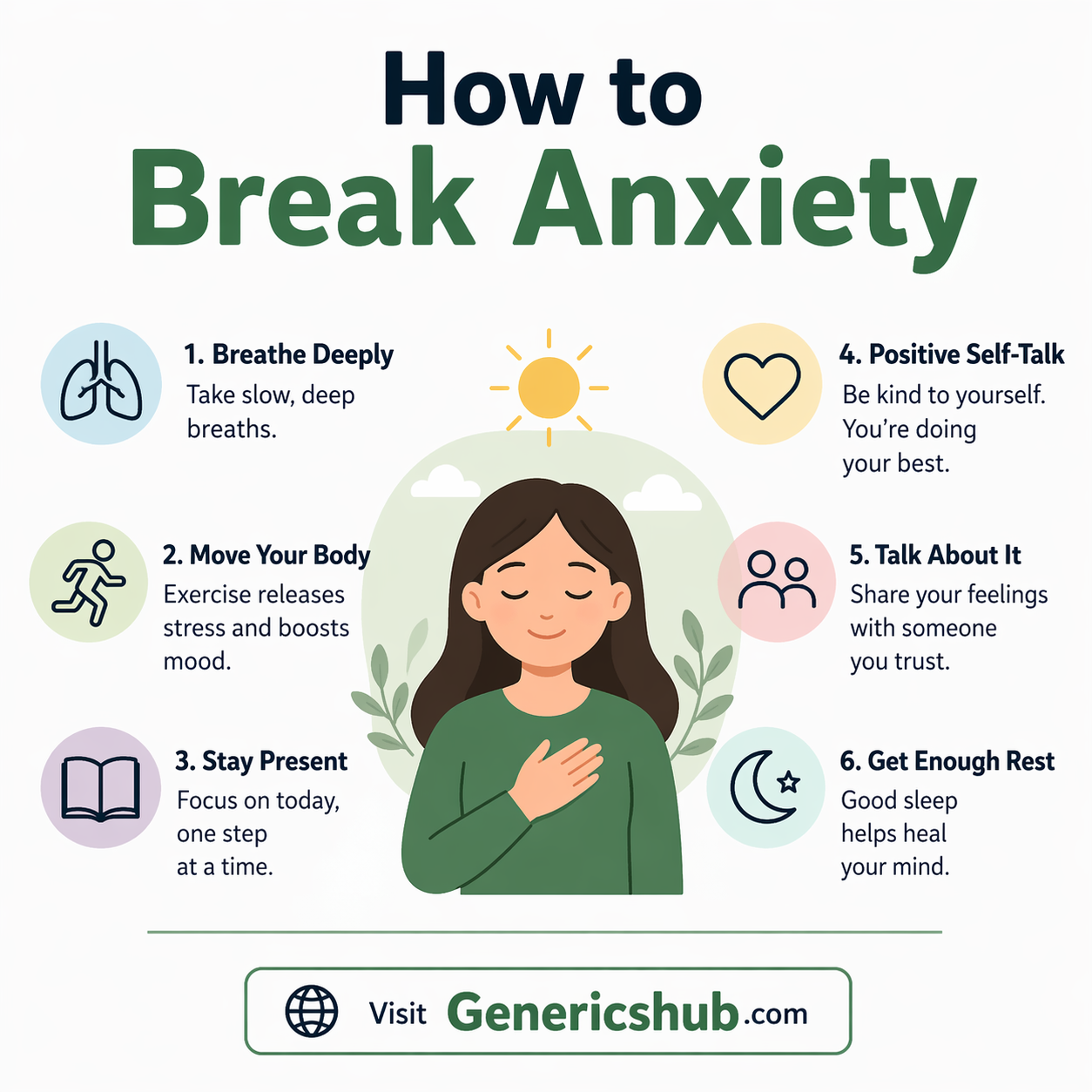
It's completely normal to feel anxious sometimes; however, when it starts to take over your life or gets too difficult to cope with, an anxiety disorder might be present. It has been shown that anxiety disorders rank among the most common mental health problems in the United States. Nevertheless, anxiety is completely manageable. You can find out how to break the anxiety cycle with the help of the strategies described below!
In this guide, you'll discover what triggers anxiety, its symptoms, and the best ways to overcome it including different treatments that will work for people living in the United States.
What Is Anxiety?
Anxiety is an inborn defense mechanism designed to protect you from potential danger. When you feel threatened, the “fight-or-flight” response helps you react appropriately. Although some level of anxiety is a normal phenomenon, excessive anxiety can turn into different types of mental disorders such as:
- Generalized anxiety disorder
- Panic disorder
- Social anxiety disorder
- Phobias
In case anxiety doesn't go away, it leads to the creation of a continuous circle known as an anxiety cycle.
Causes of Anxiety
Anxiety does not have a singular cause. It usually develops due to several causes:
1. Biological Causes
- Disrupted brain chemicals such as serotonin and dopamine
- Genetic predisposition to anxiety disorders
2. Psychological Causes
- Maladaptive thought patterns
- Past traumatic events or experience
3. Environmental Causes
- Stress at work or economic strain
- Conflict in relationships
- Major life transitions
4. Lifestyle Causes
- Irregular sleep patterns
- Excessive consumption of caffeine
- Sedentary lifestyle
Knowing these causes helps in understanding how to stop the Anxiety Cycle.
Symptoms of Anxiety
Anxiety involves emotional, physical, and behavioral symptoms. They can include:
- Emotional Symptoms
- Persistent worrying or fear
- Irritation
- Feeling stressed out
Physical Symptoms
- Increased heart rate
- Difficulty breathing
- Muscle stiffness
- Fatigue
Behavioral Symptoms
- Avoiding triggers
- Difficulty concentrating
- Sleep problems
If these symptoms continue for several weeks, it might be necessary to consult a mental health professional.
Steps in Breaking the Anxiety Cycle
To break an anxiety cycle, you should disrupt its pattern of negative thoughts, physical symptoms, and avoidance behaviors. The following approaches have proven effective:
1. Awareness and Mindfulness
Identify your anxiety triggers and mental patterns. Practice mindfulness techniques to focus on the present moment.
2. Cognitive Restructuring
Question any irrational beliefs and substitute them with rational ones.
3. Exposure Treatment
Approach the source of your fear rather than avoid it.
4. Enhance Sleep
Proper rest is essential. Many individuals benefit from sleep medicine when insomnia worsens anxiety.
5. Alter Your Way of Life
- Consistent physical activity
- Nutritious diet
- Limited caffeine and alcohol intake
Methods of Anxiety Management
1. Cognitive Behavioral Therapy (CBT)
CBT is one of the most efficient therapies in treating anxiety in the United States. This method emphasizes identifying and correcting negative thought patterns.
Advantages:
- Scientifically supported
- Time-limited and goal-driven
- Highly effective for almost all anxiety disorders
2. Behavioural Therapy
Behavioral therapies work on helping change negative behavioral traits through methods such as exposure therapy.
Ideal For:
- Phobias
- Anxiety disorders
3. Eye Movement Desensitization and Reprocessing (EMDR)
EMDR therapy can help treat anxiety in patients that are traumatized or suffer from post-traumatic stress disorder.
How It Works:
- Guided by eye movement
- Processes past traumatic memories
4. Internet-Based Therapies
Online psychological treatments have gained popularity within the U.S.
Benefits Include:
- Convenience
- Accessibility
- Inexpensive treatments
Licensed therapists provide teletherapy through video, chat, and telephone consultations.
5. Medication Treatment for Anxiety
A doctor might suggest using medication for severe forms of anxiety.
Antidepressant Drugs
First line treatment includes:
- SSRIs (Selective Serotonin Reuptake Inhibitors)
SNRIs - Work to balance brain chemistry.
- Benzodiazepines
For short term relief:
- Immediate action
- Habit forming, thus used cautiously
6. Commonly Prescribed Anxiety Medications
Several drugs that are commonly prescribed are:
- Nexito Plus
- Nexito LS
Commonly these types of drugs have both antidepressant and anti-anxiety effects. Prescription is required in the United States to use them.
7. Sleep Medicine and Anxiety
Sleep problems are tightly interrelated with anxiety. On the one hand, anxiety can result in poor sleep. On the other hand, a lack of sleep can make anxiety worse.
Sleep medicines may be:
- Prescription sleeping pills
- Melatonin
- Sleep therapy
Sleep hygiene improvement is essential when finding out How to Break the Anxiety Cycle.
What is the Best Therapy for Anxiety?
Unfortunately, there is no universal solution here, since the treatment largely depends on various factors, including:
- Severity of the condition
- Causes of anxiety
- Patient preferences
Best Therapy:
Combination of:
- Psychotherapy
- Life style improvements
- Prescription medication (if necessary)
Anxiety Tips That Help in Your Lifestyle Management
1. Stay Physically Active
Exercise decreases stress chemicals and improves mood.
2. Maintain a Healthy Eating Regimen
Minimize your intake of excess sugars and processed foods.
3. Learn Various Relaxation Methods
- Deeper breathing
- Meditation
- Yoga
4. Spend Less Time with Screen
Overexposure to screens increases anxiety symptoms.
Signs to Get Professional Help
These are when you should visit a healthcare provider in case:
- Your anxiety affects your daily routines
- You have regular panic attacks
- Sleep issues keep occurring
- Your self-help efforts haven’t yielded results
Resources You Can Visit in the United States
- Primary care physicians
- Psychologists
- Psychiatrists
Common Questions Regarding Anxiety (FAQs)
1. What’s the fastest method to overcome anxiety?
Techniques such as deep breathing, grounding and quick doses of prescribed medication help relieve anxiety symptoms.
2. Can anxiety symptoms disappear by themselves?
Mild anxiety can be resolved with no treatment; however, the same isn’t applicable to chronic anxiety disorder.
3. Does everyone need medication for anxiety?
No, there are people that don’t have to take medications to control their anxiety disorders.
4. Is anxiety associated with sleep disorders?
Yes. Anxiety can lead to insomnia, and insufficient sleep may further aggravate the manifestations of anxiety. Therefore, sleep medicine may be recommended as part of a treatment regimen.
5. How long does treatment for anxiety last?
Psychotherapy: 8 to 20 weeks (typical duration of CBT sessions)
Medications: Several weeks for complete effectiveness
6. When should I resort to therapy or medications?
Mild anxiety can be treated by psychotherapy only. In other cases, a combined approach will likely be suggested.
Conclusion
Anxiety is a widespread problem; however, it is easily treatable. Getting acquainted with possible causes and anxiety manifestations can help you make the initial step to your wellbeing.
It does not matter whether you choose psychotherapy, medication (Nexito Plus or Nexito LS), or use sleep medicines – there are various ways to overcome anxiety efficiently.
All that you need is consistency and readiness to get rid of anxiety with your doctor's assistance. Follow our instructions on how to break the anxiety cycle.

 Arabic
 French
 Spanish
 Portuguese
 Deutsch
 Turkish
 Dutch
Dutch
 Italiano
 Russian
 Romaian
 Portuguese (Brazil)
 Greek
Greek