


A Performance Buyer’s Guide to Finding the Best Shoulder Pads for Skill Positions
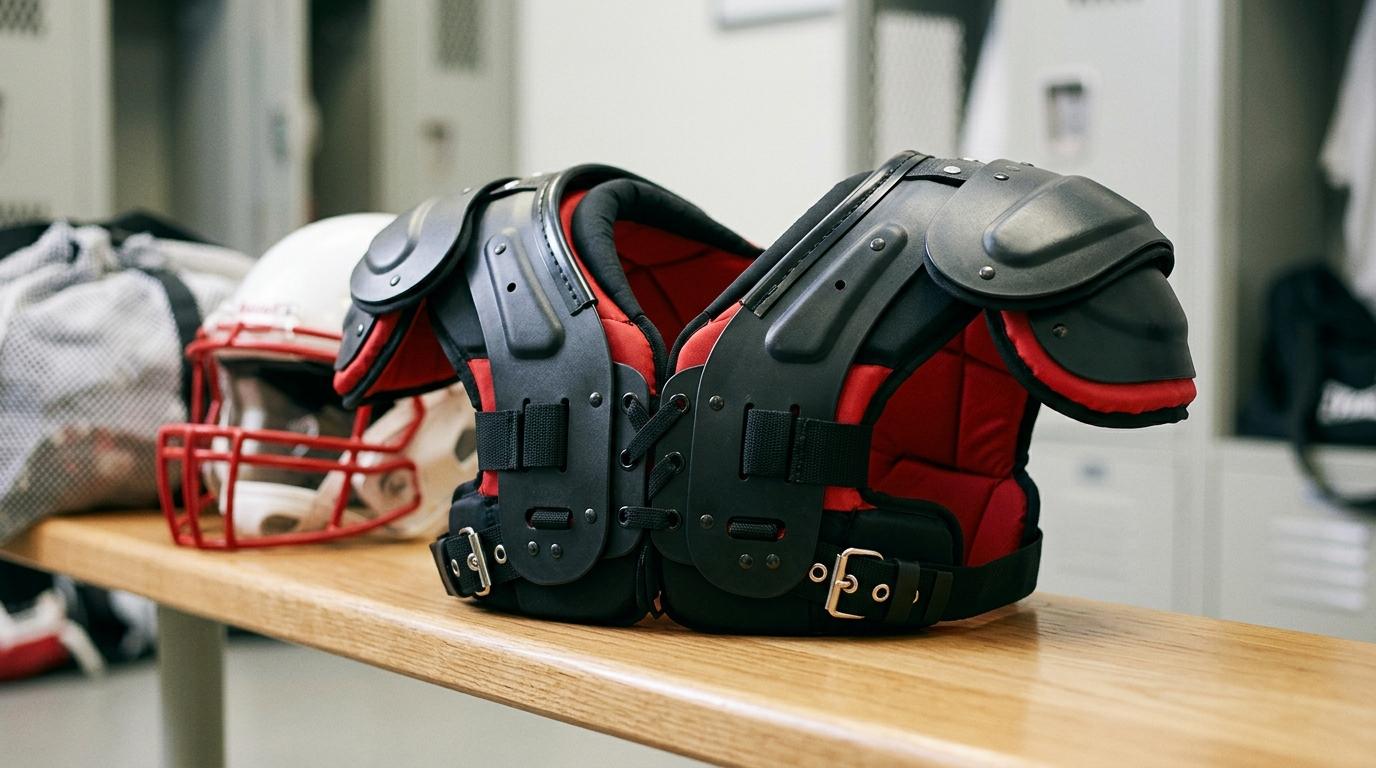
The landscape of modern football has shifted toward a game defined by vertical speed and high-precision passing. For players in skill positions like wide receivers, defensive backs, and dual-threat quarterbacks, the requirements for protective equipment have fundamentally changed. Heavy, restrictive padding has been replaced by sleek, low-profile designs that prioritize a full range of motion.Finding the best shoulder pads for skill positions in 2026 is no longer just about survival in the trenches; it is about maximizing every inch of reach and every split second of acceleration.
As athletes become faster and more specialized, the engineering behind their armor must keep pace.3 A wide receiver needs to be able to extend their arms fully overhead to snatch a high pass without the pads riding up and obstructing their vision. Similarly, a defensive back requires the lateral agility to mirror a route-runner, which means the shoulder caps must be narrow enough to allow for natural arm swings. Selecting the right gear involves balancing these mobility needs with high-impact protection that can withstand the high-velocity collisions typical of the modern secondary.
Safety remains the foundation of any gear selection, especially when looking for youth football shoulder pads.For younger athletes, the challenge is finding equipment that provides varsity-level protection without being so heavy that it degrades their form. A pad that is too bulky can cause a young player to drop their head during a tackle, increasing the risk of injury. The goal is to provide a shell that disperses impact energy while remaining light enough to allow for the development of proper, safe fundamentals.
Prioritizing Mobility: Why Skill Positions Need Specialized Gear
Skill position players are the finesses specialists of the gridiron, and their gear must reflect that reality. Unlike linemen who need broad, heavy plates to absorb constant, short-range collisions, skill players operate in space. This means their pads should be non-cantilevered, allowing for a lower profile that sits closer to the body. This streamlined fit ensures that the player remains a smaller target and that the pads do not interfere with the biomechanics of catching or throwing.
The freedom of movement provided by specialized pads directly impacts on-field performance. For a quarterback, the throwing motion is a complex chain of movements involving the rotation of the torso and the elevation of the humerus. If the arch of the shoulder pad is too high or the epaulets are too rigid, it can alter the release point or cause fatigue over the course of a four-quarter game. High-quality skill pads are designed with swivel points and flexible arch cuts that move in sync with the athlete rather than against them.
Beyond the physical mechanics, visibility is a critical factor for players who must track a ball or an opponent across the field. Bulky traditional pads often have neck rolls or high arches that can catch the bottom of a helmet during quick head rotations. Modern skill-specific designs focus on a deeper neck cut and a flatter plate profile. This ensures that when a defensive back turns their head to look for the ball, their line of sight remains completely unobstructed, which is often the difference between a pass breakup and a touchdown.
Breaking Down the Tech: Air Management vs. High-Density Foam
In the current 2026 market, two primary technologies dominate the interior cushioning of shoulder pads: air management systems and high-density open-cell (HDOC) foam. Air management technology works by trapping air within a sealed cushion. Upon impact, the air is dispersed throughout the padding, spreading the force over a wider surface area. This results in a very lightweight pad that remains highly effective at absorbing large, singular hits. It is a favorite for varsity players who need to minimize weight without sacrificing the ability to take a big hit in the open field.
High-density foam, on the other hand, relies on the material properties of the foam itself to soak up energy. HDOC foam is often paired with corrugated arches to provide structural integrity. The advantage of foam-based systems is their consistency and durability over long seasons. Unlike air-based systems, which can sometimes feel slightly more buoyant or bulky, foam pads often provide a more "locked-in" feel. Many of the best shoulder pads for skill positions utilize a hybrid approach, combining layers of different foam densities to provide comfort against the skin and rigid protection on the exterior.
The choice between these technologies often comes down to personal preference and the specific climate of the playing environment. Air management pads tend to be highly breathable because the air pockets allow for better heat dissipation. This is a significant advantage for players in southern regions where summer practices can reach triple-digit temperatures. Conversely, advanced closed-cell foams are increasingly popular because they do not absorb sweat or water, keeping the gear light even during a rainy game in the late autumn.
-
Air Management: Uses trapped air to disperse impact energy across the entire pad.
-
HDOC Foam: Employs multiple layers of open-cell foam for consistent shock absorption.
-
Honeycomb Technology: A structural design that provides maximum strength with minimal weight.
-
TPU Cushioning: A durable plastic-based cushion that resists aging and maintains its shape over several seasons.
-
Antimicrobial Linings: Essential for moisture-wicking and preventing the buildup of bacteria and odors.
Sizing and Safety: Finding the Right Youth Football Shoulder Pads
When it comes to youth football shoulder pads, the most common mistake parents and coaches make is "sizing up" to allow for growth. In football, a pad that is too large is a safety hazard. If there is a gap between the shoulder and the cushion, the pad can shift upon impact, potentially leading to collarbone or AC joint injuries. The equipment should fit like a second skin, providing a snug wrap around the torso and shoulders. Proper sizing is determined by two main factors: the player’s weight and their shoulder width, measured from one AC joint to the other across the back
For youth players, the weight of the pads is just as important as the fit. A young athlete’s neck and core muscles are still developing, and a heavy set of pads can lead to poor posture on the field. This "heavy-headed" effect often causes players to lean too far forward or drop their eyes during contact, which is the leading cause of head-to-head collisions. By selecting lightweight youth football shoulder pads designed with modern polymers, you allow the athlete to maintain an athletic, upright stance, which is fundamental to the "Heads Up" tackling techniques taught today.
Beyond the fit, look for youth gear that includes integrated safety features like reinforced sternum plates and extended back plates. Youth games often involve a lot of "scrum" style play where players are hit from multiple angles. While skill position pads are generally lighter, youth versions should still offer comprehensive coverage of the ribs and spine. Ensuring that the gear is NOCSAE certified is a mandatory step, as this ensures the equipment has been laboratory-tested to meet the rigorous safety standards required for tackle football in 2026.
Tag Sports Gear provides a range of high-performance options that cater to these specific needs, ensuring that every athlete is protected by the latest in impact technology.
The BattleGear II: A Deep Dive into Performance
The Tag BattleGear II has emerged as a standout choice for athletes searching for the best shoulder pads for skill positions. What sets this model apart is its use of HDOC (High Density Open Cell) foam combined with a double-density arch padding.This specific combination is engineered to handle the high-velocity impacts experienced by receivers and defensive backs.9 The HDOC foam is much lighter than traditional padding, but its open-cell structure allows it to compress and rebound quickly, providing continuous protection through multiple hits in a single drive.
One of the most praised features of the BattleGear II is its raised corrugated arches. These ridges in the plastic shell are not just for aesthetics; they act as structural reinforcements that allow the shell to be thinner and lighter without losing its strength. This design helps in dispersing the energy of a hit away from the vulnerable shoulder joints and toward the sturdier parts of the pad. Furthermore, the use of stainless steel hardware ensures that the pads do not rust or degrade over time, making them a durable investment for players who plan on playing through multiple seasons.
For skill players, the BattleGear II offers a unique "swivel" front and back system. This allows the chest and back plates to move independently as the player rotates their torso. Whether you are a quarterback twisting to make a throw across your body or a wide receiver reaching back for a ball, these pads stay flush against your chest rather than binding or lifting. This level of synchronization between the gear and the athlete’s body is what defines elite performance gear in 2026.
-
High-Density Open-Cell Foam: Provides superior impact protection with minimal weight.
-
Corrugated Arches: Increases shell strength while allowing for a slimmer profile.
-
Stainless Steel Hardware: Prevents corrosion and ensures long-term durability.
-
Velcro Removable Lining: Makes it easy to remove the padding for thorough cleaning.
-
Low-Profile Design: Ensures a wide field of vision and full range of head motion.
Transitioning from Youth to Varsity: When to Upgrade
As a player matures from middle school to high school, the speed and force of the game increase exponentially. This transition period is when many players move from standard youth football shoulder pads to more specialized varsity gear. The primary signal that it is time to upgrade is not just the physical size of the player, but the intensity of the contact they are experiencing. Varsity-level pads are designed with higher-grade plastics and more sophisticated energy-management systems that are necessary for the 20-mile-per-hour collisions seen at the elite high school level.
Another factor in the transition is the move toward position-specific gear. In youth leagues, "all-purpose" pads are common because players often rotate through multiple positions. However, by the time an athlete reaches the varsity level, they have usually settled into a specific role. A dedicated wide receiver should move away from hybrid pads and into the lightest, most low-profile skill pads available.This specialization allows them to shave precious ounces off their equipment weight, which translates to better top-end speed and less fatigue in the fourth quarter.
It is also important to consider the "born date" of the equipment. Modern 2026 guidelines recommend that shoulder pads have a functional lifespan of about ten years, provided they are reconditioned annually. However, for a rapidly growing teenager, an upgrade is often required every two to three years. When making the jump to varsity gear, prioritize pads that offer customizable fit options, such as removable channels or adjustable straps, which can help the gear stay relevant even as the athlete’s physique continues to change through high school.
-
Increased Speed: Varsity games involve higher impact velocities requiring advanced shells.
-
Position Specialization: Upgrading to skill-specific pads maximizes agility.
-
Material Degradation: Older youth pads may lose their shock-absorption properties over time.
-
Sizing Accuracy: A more mature frame requires the precision of adult sizing charts.
-
Reconditioning Standards: Varsity programs often require gear that can be professionally recertified.
Longevity and Care: Maintaining Your 2026 Football Equipment
Maintaining the best shoulder pads for skill positions involves more than just throwing them in a locker after a game. Sweat is the primary enemy of athletic gear; the salt and moisture can degrade foam and weaken the elastic straps over time. After every practice, pads should be wiped down with a damp cloth to remove surface dirt. For a deeper clean, a mild soap and water solution is effective for the plastic arches.It is critical to avoid submerging the pads in water, as this can trap moisture inside the foam layers, leading to mold and permanent odors.
In 2026, many high-end pads come with removable interior linings. This is a game-changer for hygiene, as the fabric portions can be hand-washed or treated with antimicrobial sprays. To combat the common "locker room smell," a diluted white vinegar spray is a natural and effective way to kill bacteria without damaging the technical fabrics. Always allow the gear to air dry in a well-ventilated, cool space. Avoid placing pads in direct sunlight or near heavy heat sources like radiators, as excessive heat can cause the plastic shell to become brittle or the foam to lose its elasticity.
Finally, a regular inspection of the hardware is essential for safety. Check all T-hooks, buckles, and laces for signs of fraying or cracking. In a high-contact sport, even a small crack in a plastic buckle can lead to a total pad failure during a game. Many elite players keep a "sideline kit" with spare laces and straps to ensure they are never sidelined by a simple equipment malfunction. By following a strict maintenance routine, a high-quality set of shoulder pads can remain safe and effective for up to a decade of play.
-
Daily Wipe-Down: Removes salt and sweat that can degrade materials.
-
Air Dry Only: Never use high heat or direct sunlight to dry your pads.
-
Antimicrobial Treatment: Use specialized sports sprays or diluted vinegar to prevent bacteria.
-
Hardware Check: Inspect buckles and straps weekly for signs of wear or fatigue.
-
Annual Reconditioning: Professional services can deep-clean and recertify the safety of your gear.
Conclusion
Selecting the right equipment is a pivotal decision for any athlete aiming to excel in a skill position. The best shoulder pads for skill positions are those that provide a seamless blend of high-tech protection and unrestricted movement. By focusing on low-profile designs, advanced foam technology, and proper sizing, players can enter the field with the confidence that their gear will enhance their performance rather than hinder it. Whether you are looking for the latest varsity tech or reliable youth football shoulder pads, the priority should always be a fit that supports the speed and agility required of the modern game.
Investing in quality gear like the BattleGear II ensures that you are protected by a system designed for the specific demands of the 2026 season. From the corrugated arches to the moisture-wicking linings, every feature is a result of years of material science focused on keeping athletes safe while they push the limits of their speed. With the right care and the right fit, your shoulder pads become more than just protection—they become a tool that helps you dominate your position and stay in the game for seasons to come.

 English
 Arabic
 French
 Spanish
 Deutsch
 Turkish
 Dutch
Dutch
 Italiano
 Russian
 Romaian
 Portuguese (Brazil)
 Greek
Greek