


Bacopa Monnieri Plant in the Philippines vs. Brahmi: What’s the Difference?
Clearing up the confusion surrounding names of traditional herbs lets you safely manage your wellness practice. Many plant enthusiasts looking into cognitive health alternatives encounter overlapping labels. For instance, this happens frequently when researching the Bacopa monnieri plant in the Philippines. Sorting through these historical names helps you see if you’re buying the exact same herb or completely different plants.
What Is the Historical Origin of the Name Brahmi?
The term Brahmi stems from ancient Vedic texts and honors Brahma, the traditional creator divinity recognized for immense intellect and wisdom. Ancient healers assigned this prestigious title to specific herbs that demonstrated an extraordinary capacity to clear mental fog and improve memory retention. Over several centuries, various geographical regions began applying this single revered label to entirely different native plants growing in their respective territories.
How Do Botanists Classify the Water Hyssop Vine?
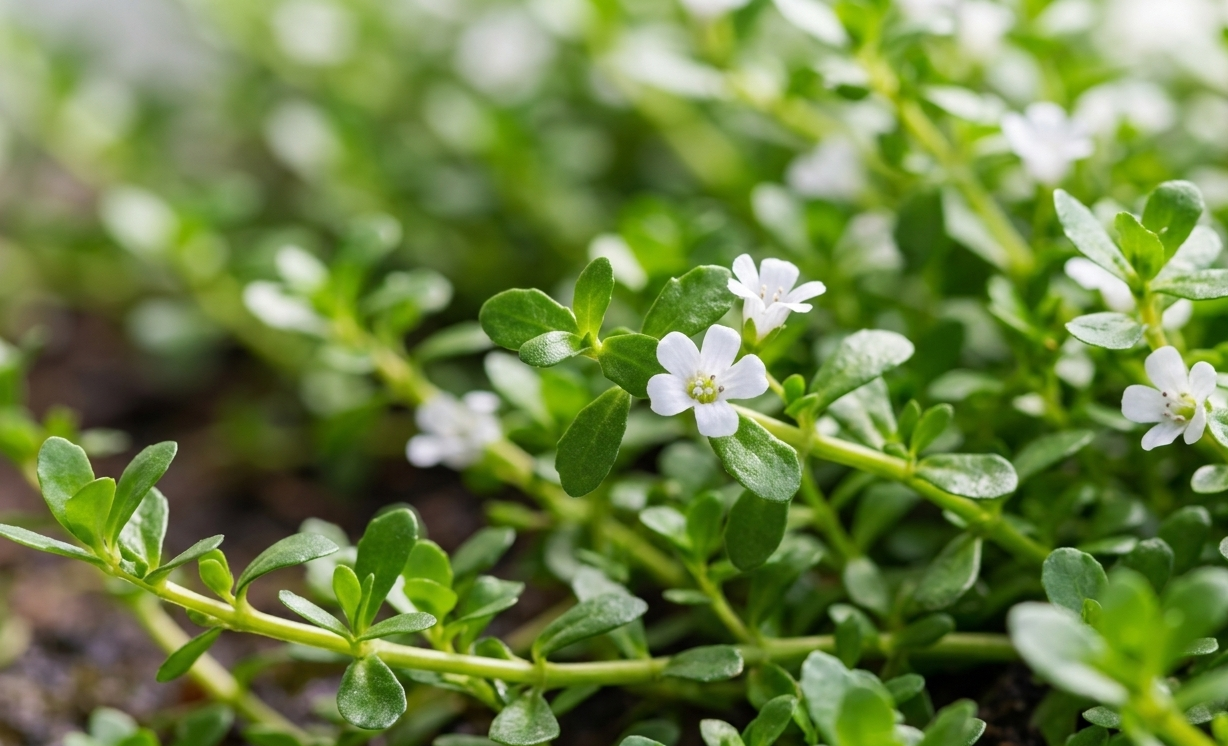
Scientists categorize the water hyssop as a low-growing, succulent perennial herb that thrives beautifully in wet, marshy wetlands. This specific green crawler bears small, thick leaves along with tiny white or pale blue blossoms that open under bright sunlight. Tracking its precise scientific identity prevents accidental confusion when looking for genuine extracts in the marketplace.
What Alternate Herb Shares the Same Traditional Label?
Gotu Kola, scientifically known as Centella asiatica, represents the primary separate species that widely shares the traditional label of Brahmi. This distinct plant features thin, fan-shaped or spade-like leaves that resemble the physical structure of a human brain hemisphere. While it grows in similar tropical conditions, its physical structure and leaf shape look entirely different from the water hyssop.
Where Does the Confusion Between These Herbs Stem From?
The naming mix-up primarily occurs because both species serve as prominent therapeutic agents within traditional Asian wellness systems. Because both plants deliver notable benefits for cognitive clarity and focus, practitioners historically grouped them under the same honorary umbrella term. This ancient cross-over creates regular confusion for modern consumers trying to identify specific ingredients listed on commercial labels.
How Does the Bacopa Monnieri Plant in the Philippines Grow?
The Bacopa Monnieri plant in the Philippines flourishes naturally in waterlogged environments, shallow rice paddies, and muddy riverbanks. The warm, humid tropical climate provides the ideal baseline elements for this creeping vine to spread across wet soil beds effortlessly. It handles heavy seasonal rainfall exceptionally well, making it a highly resilient species within the wetland areas.
What Are the Distinct Active Compounds in Water Hyssop?
The primary active elements responsible for sharpening memory and reducing stress are complex organic molecules called bacosides. These specific structural compounds assist in repairing damaged neural pathways and improving cellular communication within the brain matrix. You will not find these particular biochemical compounds inside other herbs that share the same honorary title.
What Biochemical Elements Define Gotu Kola?
Gotu Kola relies on an entirely different set of active components known as triterpenoid saponins to deliver its health benefits. These natural chemicals focus heavily on enhancing blood circulation, reinforcing blood vessels, and supporting the body's collagen synthesis pathways. Consequently, its primary physiological actions center around tissue recovery and vascular wellness rather than direct neural stimulation.
Do These Two Plants Taste and Smell Differently?
Sipping an infusion made from the water hyssop reveals a distinctly bitter, earthy flavor profile that often requires a touch of natural sweetener to make palatable. In contrast, a warm brew prepared from Gotu Kola leaves carries a much milder, slightly grassy, and sweet taste reminiscent of green tea leaves. This sensory variation makes it easy to distinguish between the two raw materials during preparation.
Can You Safely Combine Both Herbal Extracts?
Many modern herbal manufacturers formulate specialized wellness blends that feature extracts from both of these unique species simultaneously. Combining them allows the cognitive properties of the water hyssop to work alongside the circulatory benefits of the alternative leaf. This pairing offers a comprehensive way to look after your brain health without overwhelming your daily schedule.
How Can Consumers Verify Which Plant They Are Purchasing?
Reading the ingredient panel carefully represents the most dependable method to confirm exactly what you are putting into your body. Look past the generic traditional marketing names and search specifically for the Latin scientific names printed on the bottle. Genuine water hyssop products will always display the proper scientific name clearly to give buyers absolute certainty before purchasing.
Key Takeaway
Untangle the names behind the Bacopa monnieri plant in the Philippines and look past the marketing labels. While different herbs might share the old name Brahmi, checking for the actual scientific name on the bottle. This way, you acquire the exact product, along with the brain-boosting benefits you want. Just remember, knowing this simple difference helps you shop wisely and find the right natural support for your wellness routine

 Arabic
 French
 Spanish
 Portuguese
 Deutsch
 Turkish
 Dutch
Dutch
 Italiano
 Russian
 Romaian
 Portuguese (Brazil)
 Greek
Greek