1. What Is Living Liver Donation?
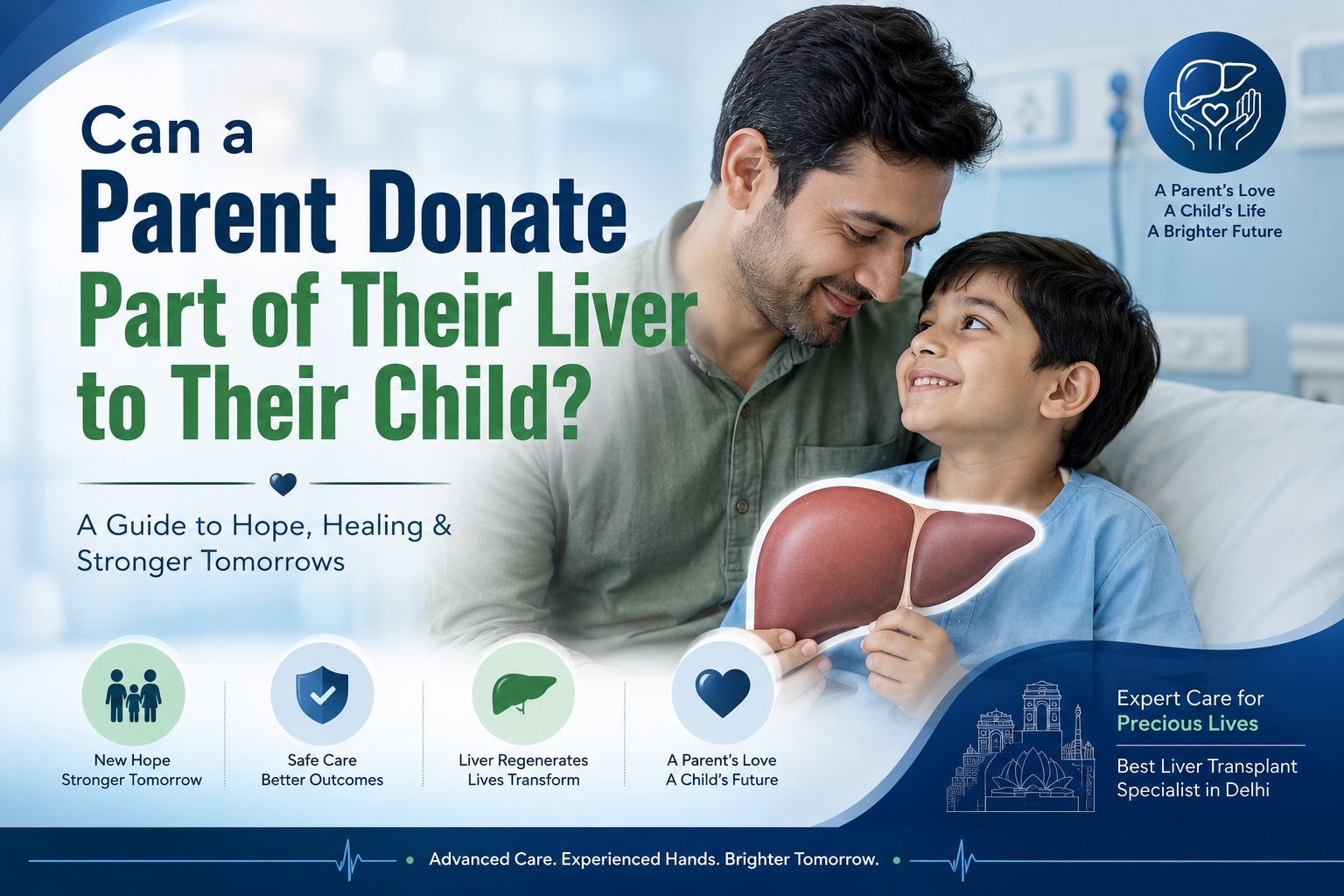
A living donor liver transplant is a procedure in which a healthy person donates a portion of their liver to someone who needs a liver transplant.
Unlike kidney donation, where an entire kidney is donated, only a part of the liver is removed during liver donation.
The liver is unique because it is the only internal organ that can regenerate. After surgery:
- The donor's remaining liver grows back to near-normal size.
- The transplanted liver segment grows with the child as they develop.
This remarkable ability makes living liver transplantation one of the most successful organ transplant procedures available today.
2. Why Do Children Need a Liver Transplant?
Several serious liver conditions can make a liver transplant necessary for a child.
The most common causes include:
- Biliary atresia
- Acute liver failure
- Progressive liver cirrhosis
- Metabolic liver diseases
- Genetic liver disorders
- Certain liver tumors
Without timely treatment, these conditions can lead to permanent liver damage or life-threatening liver failure. For many children, a liver transplant offers the best chance for a healthy future.
3. Can a Parent Donate Part of Their Liver?
Yes.
Parents are the most common living liver donors because they often:
- Have a compatible blood group
- Share a strong emotional bond with their child
- Can significantly reduce the waiting time for a transplant
In many cases, either the mother or the father can donate part of their liver, provided they are medically fit and approved after a thorough evaluation.
4. Who Can Become a Living Liver Donor?
Not everyone is eligible to become a living liver donor.
Before surgery, potential donors undergo detailed medical and psychological evaluations to ensure the procedure is safe for both the donor and the child.
A suitable donor generally should:
- Be 18–55 years of age
- Be in good overall health
- Have normal liver function
- Have a compatible blood group
- Maintain a healthy body weight
- Have no serious heart, lung, or kidney disease
- Be free from active infections
- Have no uncontrolled diabetes or cancer
Equally important, the donor must be emotionally prepared and make the decision voluntarily without any pressure or coercion.
5. How Do Doctors Determine Donor Eligibility?
Before approving a donor, doctors perform a series of tests to ensure the donation is safe.
Blood Tests
These tests evaluate:
- Blood group compatibility
- Liver function
- Kidney function
- Complete blood count
- Viral infections
Imaging Scans
Advanced imaging helps doctors assess:
- Liver size
- Liver anatomy
- Blood vessels
- Bile ducts
These scans also confirm that enough healthy liver will remain with the donor after surgery.
Heart and Lung Evaluation
The donor's heart and lungs must be healthy enough to safely undergo major surgery.
Psychological Evaluation
Doctors also assess the donor's emotional well-being to ensure they fully understand the procedure, recovery, and long-term expectations.
6. What Happens During the Surgery?
A living donor liver transplant involves two surgeries performed at nearly the same time.
Parent's Surgery
The surgical team carefully removes a planned portion of the donor's healthy liver.
Child's Surgery
The child's diseased liver is removed and replaced with the donated liver segment.
Surgeons then reconnect the:
- Blood vessels
- Liver artery
- Portal vein
- Bile ducts
Once blood begins flowing through the transplanted liver, it usually starts functioning immediately.
Because this is a highly specialized procedure, it requires an experienced multidisciplinary transplant team.
7. Recovery for the Parent
Most parents recover well after liver donation and can gradually return to their normal routine.
Hospital Stay
The average hospital stay is 5–7 days, depending on recovery.
Pain Management
Some discomfort is normal after surgery, but pain is effectively managed with medication.
Returning to Daily Activities
Most donors can:
- Walk within 1–2 days
- Resume light work in 4–6 weeks
- Return to normal daily activities within 2–3 months
Heavy lifting and strenuous exercise should be avoided until the doctor confirms complete healing.
8. Recovery for the Child
Children require close monitoring after transplantation.
Doctors regularly assess:
- Blood circulation
- Liver function
- Signs of infection
- Signs of organ rejection
Most children remain in the hospital for several weeks before going home.
Recovery includes:
- Regular blood tests
- Anti-rejection medications
- Nutritional support
- Routine follow-up appointments
With proper care, most children return to school, participate in sports, and enjoy healthy, active lives.
9. Benefits of Living Donor Liver Transplant
Living donor liver transplantation offers several important advantages.
Reduced Waiting Time
Children receive treatment much sooner instead of waiting for a deceased donor, reducing the risk of worsening liver disease.
Better Surgical Planning
Since the surgery is scheduled in advance, both the donor and child are in the best possible condition for transplantation.
Healthier Donor Organ
Living donors undergo extensive medical screening, ensuring a healthy liver for transplantation.
Excellent Success Rates
Living donor liver transplants have high survival rates and excellent long-term outcomes in children.
Greater Emotional Support
A parent donor provides not only a healthy liver but also invaluable emotional support throughout recovery.
10. Risks and Possible Complications
Like any major surgery, living liver donation carries certain risks.
For the Parent
Possible complications include:
- Bleeding
- Infection
- Blood clots
- Bile leakage
- Post-operative pain
- Rare liver-related complications
At experienced transplant centers, serious complications are uncommon.
For the Child
Possible risks include:
- Organ rejection
- Infection
- Blood vessel complications
- Bile duct problems
- Side effects from anti-rejection medications
Regular follow-up allows doctors to identify and manage these issues promptly.
11. Success Rates and Long-Term Outcomes
Pediatric liver transplantation has become one of the most successful transplant procedures worldwide.
Today:
- Most children enjoy long, healthy, and active lives after transplantation.
- Parents typically regain normal liver function within a few months.
Long-term success depends on:
- Taking medications exactly as prescribed
- Regular medical follow-ups
- Maintaining a healthy diet
- Early treatment of infections
12. The Emotional Journey for Parents
Donating part of your liver is both a physical and emotional journey.
Parents commonly experience:
- Fear
- Anxiety
- Hope
- Relief
- Gratitude
Many describe donating to their child as one of the most meaningful decisions they have ever made.
Support from family members, transplant coordinators, and counselors can make the experience less stressful and more manageable.
13. Choosing the Right Liver Transplant Specialist
The experience of the transplant team plays a vital role in achieving successful outcomes.
When searching for the best liver transplant specialist in Delhi, look for:
- Extensive experience in pediatric liver transplantation
- High transplant success rates
- Dedicated pediatric intensive care services
- 24/7 emergency support
- Experienced anesthesiology team
- Advanced surgical and diagnostic facilities
- Comprehensive post-transplant care
Choosing the right transplant center improves safety for both the donor and the child.
14. Preparing for Surgery
Good preparation can reduce stress and improve recovery.
Understand the Procedure
Learning each step of the transplant process helps reduce anxiety and builds confidence.
Complete All Medical Tests
Follow your doctor's instructions and complete every required investigation before surgery.
Maintain a Healthy Diet
Proper nutrition helps both the donor and child recover more quickly.
Arrange Family Support
Having family members available during recovery provides practical help and emotional comfort.
Stay Positive
Modern pediatric liver transplantation has outstanding success rates, offering hope and a healthier future for children with severe liver disease.
15. Final Thoughts
Donating part of your liver to your child is one of the greatest gifts a parent can give. Thanks to remarkable advances in liver transplant surgery, living donor liver transplantation is now a safe and highly effective treatment for many children with serious liver disease.
Because the liver can regenerate, both the parent and child have an excellent chance of recovery. Although the journey involves surgery, regular follow-up, and patience, it also brings renewed hope and the opportunity for a healthier future.
If your child has been advised to undergo a liver transplant, consult an experienced transplant team as early as possible. Choosing the best liver transplant specialist in Delhi can make a significant difference in ensuring safe surgery, successful recovery, and long-term health for both the donor and the child.
Frequently Asked Questions (FAQs)
1. Can both parents donate part of their liver to their child?
Yes. Either parent may be eligible to donate if they have a compatible blood group, a healthy liver, and successfully complete all required medical and psychological evaluations.
2. Is donating part of the liver safe for the parent?
Yes. Living liver donation is generally considered safe when performed at an experienced transplant center. Most donors recover fully, and the liver typically regenerates within a few months.
3. How long does it take for the liver to regenerate after donation?
Liver regeneration begins almost immediately after surgery. Most donors regain a significant portion of their liver's size and function within 2 to 3 months, although complete recovery varies from person to person.
4. Will my child need medication after receiving a liver transplant?
Yes. Your child will need to take immunosuppressive (anti-rejection) medications as prescribed to help prevent the immune system from rejecting the transplanted liver.
5. How can I find the best liver transplant specialist in Delhi?
Choose a specialist with extensive experience in pediatric liver transplantation, consistently high success rates, advanced surgical facilities, a multidisciplinary transplant team, and comprehensive long-term follow-up care. These factors significantly improve outcomes for both the donor and the child.




 English
 Arabic
 French
 Spanish
 Portuguese
 Deutsch
 Turkish
 Dutch
Dutch
 Italiano
 Russian
 Portuguese (Brazil)
 Greek
Greek