


Switchyard Testing: Ensuring Reliability and Safety in Power Transmission Systems
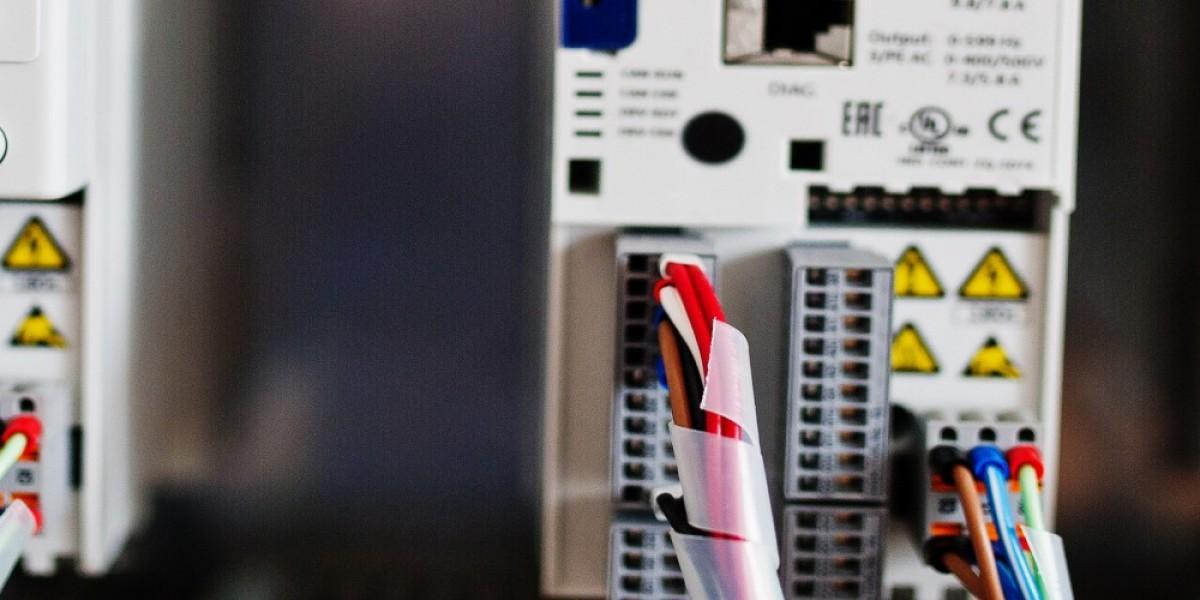
Switchyards are critical nodes in power transmission and distribution networks. They serve as the interface between generation, transmission, and distribution systems, handling high voltages and large power flows. Because of their exposure to environmental stress, electrical loading, and switching operations, switchyard components must operate with a very high level of reliability. Switchyard testing plays a vital role in ensuring that these systems perform safely and efficiently under both normal and fault conditions.
A structured testing program verifies the health of equipment, identifies potential issues early, and supports uninterrupted power delivery.
Understanding the Role of Switchyards in Power Transmission
A switchyard houses key high-voltage equipment that controls, protects, and isolates sections of the power network. Any failure within a switchyard can have widespread consequences, including large-scale outages and safety hazards.
Typical switchyard equipment includes:
- Circuit breakers
- Isolators and earthing switches
- Power transformers and instrument transformers
- Busbars and conductors
- Protection, control, and metering systems
The reliable operation of each component is essential for overall system stability.
Why Switchyard Testing Is Essential
Switchyard equipment is continuously subjected to electrical, thermal, and mechanical stresses. Over time, insulation degradation, contact wear, and mechanical misalignment can compromise performance.
Switchyard testing is essential to:
- Confirm equipment readiness before energization
- Detect hidden defects that are not visible during inspections
- Verify safe operation during fault conditions
- Prevent unplanned outages and equipment damage
Regular testing ensures that protective devices operate within their designed limits.
Enhancing Electrical Safety Through Testing
High-voltage switchyards pose significant safety risks if equipment fails or operates incorrectly. Testing helps reduce these risks by confirming proper insulation and fault-clearing capability.
Safety benefits of switchyard testing include:
- Reduced risk of electrical flashovers
- Verification of grounding and earthing effectiveness
- Safe operation of circuit breakers and isolators
- Protection of maintenance and operating personnel
By validating safety margins, testing creates a safer working environment.
Ensuring Reliability of Power Transmission
Reliable power transmission depends on the correct operation of every switchyard component. Even minor defects can escalate into major failures if left undetected.
Testing ensures:
- Circuit breakers interrupt fault currents reliably
- Instrument transformers provide accurate measurements
- Busbars and connections maintain low resistance
- Protection systems respond correctly to abnormal conditions
This reliability is crucial for maintaining continuity of supply across the grid.
Common Types of Switchyard Testing
A comprehensive switchyard testing program includes a combination of electrical, mechanical, and functional tests.
Typical tests include:
- Insulation resistance and dielectric testing
- Circuit breaker timing and contact resistance tests
- Transformer ratio and polarity tests
- CT and PT testing
- Earthing system resistance measurement
- Functional testing of protection and control circuits
Each test provides valuable insight into the condition and performance of switchyard equipment.
Supporting Preventive and Predictive Maintenance
Switchyard testing forms the foundation of preventive and predictive maintenance strategies. Test results help utilities and industries make informed maintenance decisions.
Benefits include:
- Early detection of insulation or contact degradation
- Planned maintenance instead of emergency repairs
- Extended service life of high-value assets
- Reduced maintenance and replacement costs
Data-driven maintenance improves both operational efficiency and reliability.
Compliance with Standards and Regulatory Requirements
Power transmission systems must comply with strict safety and performance standards. Switchyard testing supports adherence to these requirements by providing documented proof of equipment condition.
Testing helps ensure:
- Compliance with utility and grid codes
- Alignment with national and international standards
- Readiness for audits and inspections
- Improved confidence among stakeholders
Proper documentation of test results is critical for long-term asset management.
Minimizing Downtime and Operational Risks
Unplanned switchyard failures can result in extended outages and financial losses. Regular testing minimizes these risks by identifying issues before they impact operations.
Operational advantages include:
- Reduced forced outages
- Faster fault diagnosis and restoration
- Improved system availability
- Greater confidence in network performance
Reliable switchyards are key to resilient power transmission systems.
Conclusion
Switchyard testing is a cornerstone of safe and reliable power transmission. By verifying the condition and performance of high-voltage equipment, it protects personnel, safeguards assets, and ensures uninterrupted power flow.
SF6 Circuit Breaker Testing Checklist: Electrical & Mechanical Must-Dos

 English
 Arabic
 French
 Spanish
 Portuguese
 Deutsch
 Turkish
 Dutch
Dutch
 Italiano
 Romaian
 Portuguese (Brazil)
 Greek
Greek