


Safe Handling Procedures for Industrial Forklift Batteries Systems
Introduction
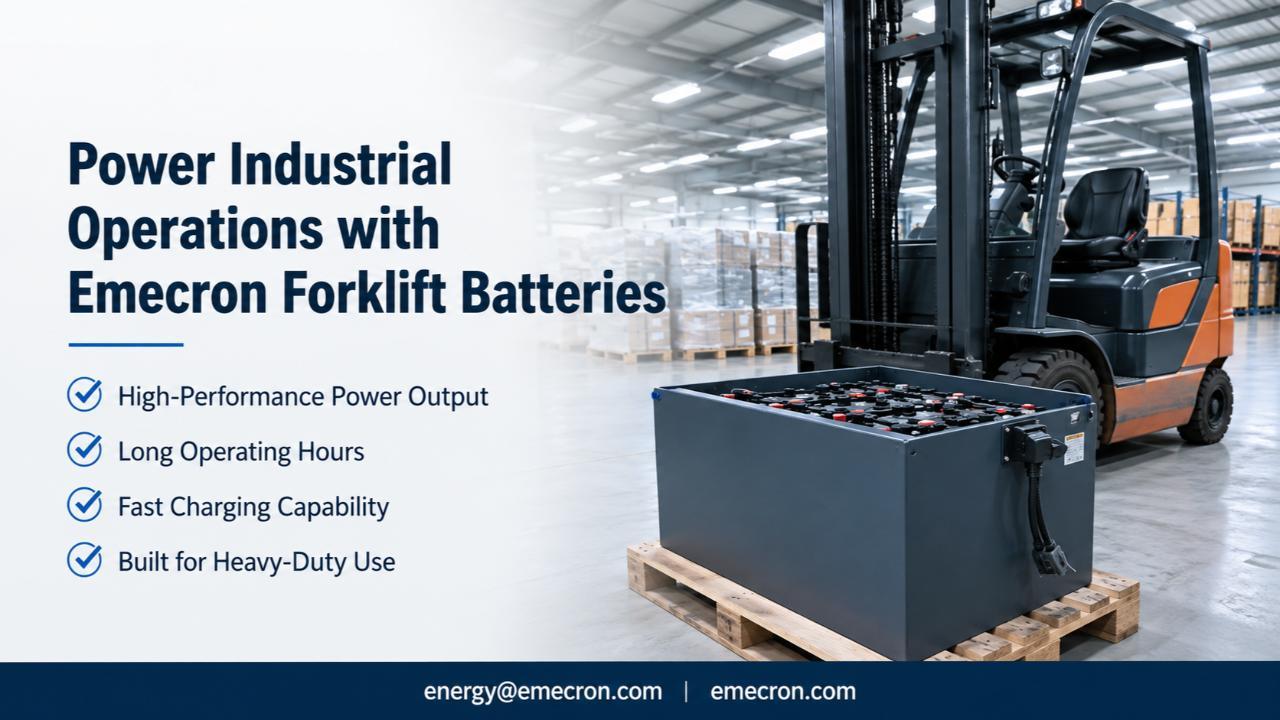
Working around heavy machinery is part of daily life in a warehouse, but if there is one piece of equipment that demands extra respect, it is Forklift Batteries. These massive power units keep operations running smoothly, yet they store an immense amount of energy and chemical power. Learning how to manage Forklift Batteries safely isn't just about following workplace rules; it’s about protecting yourself and your team every single shift. When you understand what is happening inside these power cells and treat them with care, you keep the workplace running smoothly and safely.
Powering the Workhorse: What Makes These Units Unique
Industrial power units are nothing like the small AA batteries you put in a remote control. They weigh thousands of pounds and rely on strong chemicals to hold a charge. Because of their sheer size, moving or maintaining them requires patience and attention to detail.
-
Massive Weight: A typical power unit can weigh as much as a small car, requiring specialized lifting gear to move safely.
-
Chemical Power: They contain strong liquids that create power, which means spills require immediate and proper cleanup.
-
Electrical Force: A fully charged pack holds enough electricity to cause serious shocks if handled carelessly.
-
Gas Output: During charging, these units naturally release invisible gases that need space to dissipate.
Understanding these industrial battery maintenance requirements helps you realize why simple habits—like wearing proper protection and taking your time—make such a massive difference on the warehouse floor.
Essential Gear and Pre-Work Inspections
Before you even touch a heavy power unit, your personal prep work comes first. Getting dressed for the job isn't optional here. Always put on thick chemical-resistant gloves, safety goggles, a face shield, and sturdy steel-toe boots. This protective gear acts as your shield against unexpected liquid splashes or sudden drops.
Once you are suited up, take a few minutes to inspect the unit before doing anything else. Look for any visible cracks in the outer casing, signs of leaking fluid, or frayed wiring. Check the connectors to ensure they are clean and free of corrosion. If something looks off, do not attempt to fix it on the fly. Tag the unit out and report it immediately so a certified tech can take a look. Catching a small tear in a wire or a tiny leak early prevents major headaches down the road.
Safe Charging and Water Management Habits
Charging these massive units requires a dedicated game plan. Always charge them in a well-ventilated area designated specifically for battery service. As energy flows back into the cells, natural chemical reactions generate heat and vent gases. Keeping air moving through the room prevents gas buildup and keeps ambient temperatures cool.
When it comes to topping off fluid levels, timing is everything. Always add distilled water after the charging cycle is complete, never before. Adding water to a cold, uncharged cell can cause the fluid to expand during charging and overflow, creating a chemical mess. Keep the fluid level just high enough to cover the internal plates, and always use clean water to avoid contaminating the cell's internal balance.
Smart Transfer Techniques for Heavy Lifting
Because of their immense weight, never try to shift or slide an industrial power unit by hand. Always use approved equipment like an overhead crane, a motorized transfer cart, or a specialized lifting beam designed to handle the load balance. Ensure the lifting attachment securely locks onto the designated lifting points before raising the unit off its base.
Move slowly and deliberately when transporting a unit across the floor. Sudden turns or quick stops can cause the heavy load to swing, putting stress on the hoist and risking a drop. Keep the path to the charging station clear of debris, tools, or other workers. Once the unit is positioned over its stand, lower it gently into place, making sure it settles evenly before disconnecting the lifting gear.
Conclusion
Mastering safe handling practices around industrial power equipment turns a high-risk task into a smooth, standard routine. By respecting the weight, staying protected with the right gear, keeping up with watering schedules, and following proper lifting protocols, you protect both your equipment investment and your physical well-being. At Emecron, we believe that a truly efficient warehouse is built on a foundation of safety, awareness, and smart maintenance habits.

 English
 Arabic
 French
 Spanish
 Portuguese
 Deutsch
 Turkish
 Dutch
Dutch
 Italiano
 Romaian
 Portuguese (Brazil)
 Greek
Greek