


Off-Grid Solar Powered Water Pumping Solutions & Gear
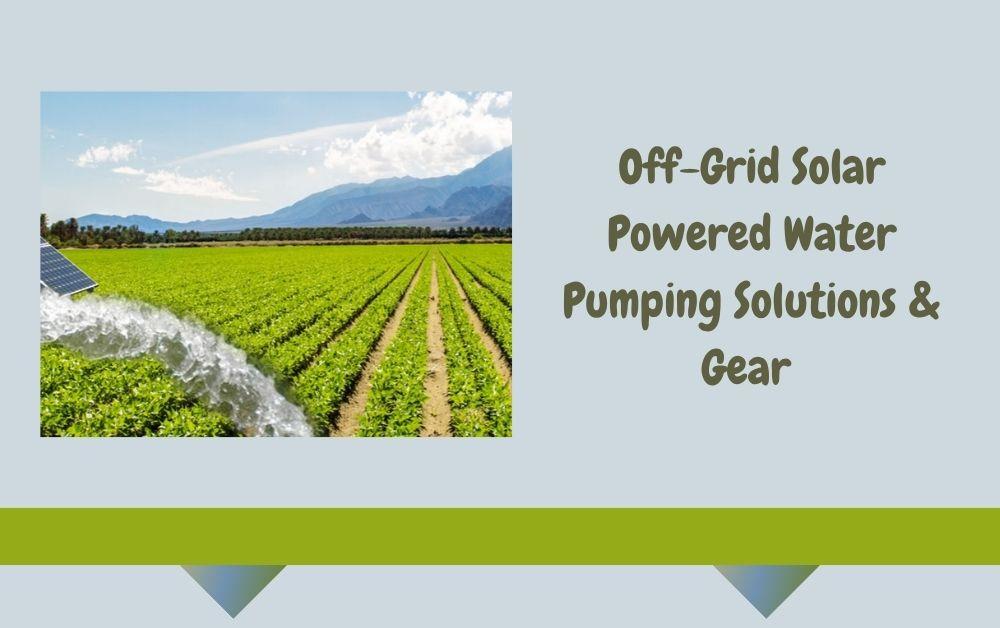
Access to water is important for homes, farms, animals, and many types of work. However, getting water can be difficult in places where there is no regular electricity supply. Running a water pump with diesel fuel can also be costly and requires regular fuel delivery. This is where off-grid solar powered water pumping solutions can be a useful choice.
Solar water pumping systems use energy from the sun to move water from a well, borehole, river, tank, or other water source. These systems can work in remote areas without depending on the main power grid. With the right equipment and planning, solar pumping can provide a reliable and simple way to meet daily water needs.
This article explains off-grid solar water pumping solutions, the main gear used in these systems, their benefits, and the important points to consider before choosing a system.
What Are Off-Grid Solar Powered Water Pumping Solutions?
Off-grid Solar Water Pumping Systems that use solar energy to operate water pumps without a connection to the public electricity grid. Solar panels collect sunlight and change it into electricity. This electricity is then used to run the water pump.
The pump moves water to a storage tank or directly to the place where it is needed. For example, water can be supplied to farms, homes, livestock areas, or irrigation systems.
One of the main benefits of an off-grid system is that it can work in locations where electricity is not available or is not reliable. Instead of using fuel every day, the system uses sunlight as its main source of power.
How Does a Solar Water Pumping System Work?
A basic solar water pumping system follows a simple process:
- Solar panels receive sunlight.
- The panels produce electrical power.
- A controller manages the power going to the pump.
- The pump lifts or moves water.
- Water is stored in a tank or sent to the required location.
The exact setup can change based on the water source, the amount of water needed, and the distance the water must travel.
Why Water Storage Is Often Important
In many solar pumping systems, water storage is used instead of storing electricity in batteries. During sunny hours, the pump can fill a water tank. The stored water can then be used later in the day or at night.
This can make the system simpler and reduce the need for expensive batteries. A properly sized storage tank can help provide water even when the sun is not shining.
Main Gear Used in an Off-Grid Solar Water Pumping System

A solar water pumping system includes several important parts. Each part has a specific job, and the system works best when all components are selected correctly.
Solar Panels
Solar panels are one of the most important parts of the system. They collect energy from sunlight and produce electricity for the pump.
The number and size of solar panels depend on the power needed by the pump. Areas with strong sunlight may produce more solar power during the day, but the system should still be planned based on local weather and daily water needs.
Panels should be installed in an open area where they receive good sunlight and are not blocked by trees, buildings, or other objects.
Solar Water Pump
The water pump is the part that moves water. Different types of pumps are available for different water sources and requirements.
Common options include:
- Surface pumps
- Submersible pumps
- Borehole pumps
- DC solar pumps
- AC pumps used with solar controllers
The correct pump depends on how deep the water source is and how far the water needs to be moved.
Submersible Pumps for Deep Water Sources
Submersible pumps are placed inside the water source. They are commonly used for deep wells and boreholes. These pumps push water upward and can be a good option when the water level is far below the ground.
A professional system design can help ensure that the pump has enough power to lift water from the required depth.
Surface Pumps for Shallow Water Sources
Surface pumps are installed above the water source. They can be used for shallow wells, ponds, rivers, and storage tanks.
These pumps may be suitable when water is close to the surface and does not need to be lifted from a great depth.
Pump Controller
A pump controller helps manage the power between the solar panels and the pump. It protects the system and helps the pump work properly under changing sunlight conditions.
Some controllers also include useful features such as:
- Dry-run protection
- Low-water protection
- Tank level control
- Automatic pump operation
- System monitoring
These features can help protect the pump and reduce unnecessary water loss.
Water Pipes and Fittings
Pipes carry water from the source to the storage tank or point of use. Good-quality pipes and fittings are important because leaks can waste water and reduce system performance.
The pipe size should match the system requirements. A pipe that is too small may reduce water flow and make the pump work harder.
Water Storage Tank
A storage tank allows water to be collected during sunny hours and used when needed. The size of the tank should be based on daily water use and the amount of water the system can pump.
For farms and remote homes, water storage can be a very useful part of the complete system.
Benefits of Using Solar Powered Water Pumping Solutions
Solar water pumping offers many benefits for people and businesses that need water in areas without reliable grid electricity.
Lower Running Costs
After installation, sunlight is free. This means there is no daily fuel cost for the main energy source. Compared with diesel-powered pumps, a solar system can help reduce regular operating expenses over time.
There may still be maintenance costs, but solar systems generally have fewer moving parts than many fuel-based power systems.
Useful for Remote Areas
Remote farms, villages, construction sites, and other locations may not have easy access to electricity. Extending power lines to these areas can be expensive.
Solar pumping systems can provide a practical solution because they produce power at the location where it is needed.
Less Dependence on Fuel
Diesel pumps need regular fuel. Fuel prices can change, and delivering fuel to remote locations can take time and money.
A solar pumping system reduces the need for regular fuel supply. This can make daily water management easier.
Environment-Friendly Operation
Solar energy produces electricity without burning fuel during normal operation. This can help reduce smoke, noise, and fuel use.
Solar pumps are also generally quieter than diesel-powered pumping systems, which can be useful for homes, farms, and peaceful rural areas.
Important Things to Consider Before Choosing a System
Choosing a solar water pumping system is not only about buying a pump and solar panels. A proper system should be planned according to the real water requirement.
Understand Your Daily Water Requirement
First, calculate how much water is needed each day. A small home may need much less water than a large farm or irrigation project.
Consider questions such as:
- How many litres of water are needed each day?
- Is water needed throughout the day?
- Will the water requirement increase in the future?
- Is water used for drinking, animals, farming, or other work?
Knowing the daily water requirement helps in choosing the correct pump and solar panel size.
Check the Water Source
The type and depth of the water source are very important. A deep borehole needs a different pumping solution from a shallow pond.
Important details include:
- Water depth
- Water level changes
- Distance from the water source
- Water quality
- Available water supply
These details help determine the type and size of pump required.
Consider the Total Water Lift
The pump must lift water from the source and move it to the final location. If the storage tank is on higher ground, the pump needs additional power.
The total lifting distance is an important part of system design. Choosing a pump without checking this can lead to poor water flow.
Check Available Sunlight
Solar panels need sunlight to produce power. Before installation, check whether the planned location receives enough direct sunlight.
Trees, nearby buildings, and other objects can create shade and reduce power production. Panels should be placed where they can receive good sunlight for most of the day.
Common Uses of Off-Grid Solar Water Pumps
Solar water pumping systems can be used in many different situations.
Agricultural Irrigation
Farmers can use solar pumps to supply water to crops. Water can be stored in tanks or used for suitable irrigation systems.
This can be especially helpful for farms located far from electricity networks.
Livestock Water Supply
Animals need a regular supply of clean water. Solar pumping systems can fill storage tanks or water troughs in farms and rural locations.
Automatic controls can also help manage the water level.
Water Supply for Remote Homes
Homes in off-grid areas can use solar pumps to move water from wells or other sources into storage tanks. The stored water can then be used for daily needs.
Community Water Projects
In some remote areas, solar water pumping systems can support shared water supply projects. A properly planned system can help provide water to a larger group of people.
Maintenance Tips for Better System Performance
Solar water pumping systems are generally easy to maintain, but regular checks can help keep them working well.
Keep Solar Panels Clean
Dust, dirt, and bird waste can reduce the amount of sunlight reaching the panels. Clean the panels carefully when needed and follow the manufacturer's instructions.
Inspect Pipes and Connections
Check pipes, fittings, and water connections for leaks or damage. Small leaks can lead to water waste and reduce the system's performance.
Monitor the Pump
Listen for unusual sounds and check whether the water flow remains normal. A sudden change in water output may show that the system needs inspection.
Protect the System From Dry Running
Some pumps can be damaged if they run without enough water. Using dry-run protection can help protect the equipment when the water source becomes too low.
Choosing the Right Solar Water Pumping Partner
A good supplier or system provider can help you choose equipment based on your actual needs. Instead of selecting equipment only by price, it is important to look at system quality, pump performance, available support, and the suitability of the complete setup.
A well-designed system can provide better results and avoid problems caused by incorrect pump or solar panel sizing.
Ask the supplier about:
- Pump capacity
- Expected water output
- Suitable solar panel size
- Controller features
- Installation requirements
- Maintenance support
- Available spare parts
The Future of Off-Grid Water Pumping
Solar technology continues to become more useful and widely available. As more farms, homes, and businesses look for simple ways to manage water and energy, solar pumping systems can play an important role.
Modern controllers and monitoring systems can also make it easier to manage pumps and check performance. These improvements can help users save time and use water more carefully.
For remote locations, solar power can provide a strong option for water pumping without depending fully on fuel or grid electricity.
Conclusion
Off-Grid Solar Powered Water Pumping Solutions & Gear offer a simple and practical way to move water in areas without reliable electricity. By using sunlight, these systems can support farming, livestock, homes, and community water needs while reducing regular fuel use.
The right system should include suitable solar panels, a properly sized pump, a reliable controller, good pipes, and enough water storage. Before installation, it is important to understand the daily water requirement, water source depth, pumping distance, and available sunlight.

 English
 Arabic
 French
 Spanish
 Portuguese
 Deutsch
 Dutch
Dutch
 Italiano
 Russian
 Romaian
 Portuguese (Brazil)
 Greek
Greek