


How to Fix Electric Vehicle Charging Port Problems
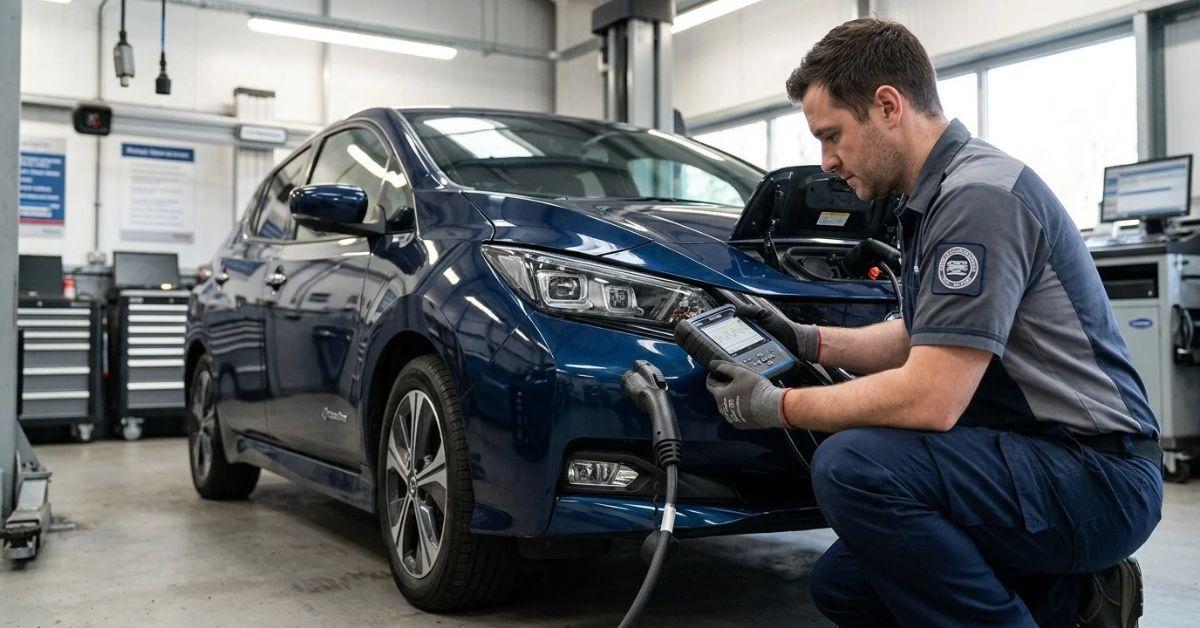
Electric vehicles make charging convenient, but problems with the charging port can quickly become frustrating. A cable may fail to connect properly, refuse to lock, stop charging unexpectedly or leave the vehicle showing a charging fault.
The good news is that a charging-port problem does not always mean the port itself needs replacing. The cause could be the cable, charging equipment, dirt, moisture, a connection issue or a vehicle-side electrical fault. Knowing what to check first can help you identify simple problems and recognise when professional diagnosis is needed.
Why Is My EV Charging Port Not Working?
Several issues can prevent an electric vehicle from charging correctly, including:
-
Dirt or debris inside the charging port
-
Moisture or water ingress
-
Corroded or damaged contacts
-
A faulty charging cable
-
A connector that is not fully inserted
-
Problems with the locking mechanism
-
Incorrect charging schedules or vehicle settings
-
A fault with the charging system or onboard charger
Start with the simplest possibilities before assuming there is a major electrical fault.
Is the Problem With Your EV or the Charger?
One of the most useful troubleshooting steps is to establish whether the fault is coming from the vehicle or the charging equipment.
Try a different compatible charging point if possible. If the vehicle charges normally elsewhere, the original charge point or cable could be responsible. Similarly, testing another compatible cable can help identify a cable-related problem.
If the same charging failure occurs with different chargers and cables, the vehicle itself becomes a more likely source of the problem.
Check the Charging Cable and Connection
Inspect the charging cable before examining the vehicle in detail. Look for visible cuts, exposed wiring, damaged connectors or signs of overheating.
Make sure the connector is fully inserted into the charging port. A connection can sometimes appear secure without being completely seated.
Never force a connector into place. If it will not insert, lock or release normally, stop and investigate the cause rather than applying excessive pressure.
Inspect the EV Charging Port
With the vehicle safely disconnected from the charger, visually inspect the charging socket.
Look for:
-
Dirt and loose debris
-
Corrosion
-
Bent or damaged contacts
-
Moisture
-
Cracked or damaged plastic
-
Signs of overheating or burning
Do not insert metal tools or other objects into the charging socket. If you can see significant corrosion, physical damage or evidence of water ingress, professional inspection is safer than attempting an electrical repair yourself.
How to Clean an EV Charging Port Safely
Small amounts of loose debris can interfere with a proper connection. If the manufacturer provides specific cleaning instructions, follow those first.
Avoid pouring liquids into the charging port or using unsuitable cleaning products. The objective is to keep the connector area clean and dry without damaging its electrical components.
If contamination cannot be removed safely, or the port shows corrosion or moisture inside the housing, arrange a professional inspection.
What If the Charging Cable Won't Lock?
A charging cable that will not lock can indicate several different problems. First, make sure the connector is correctly positioned and fully inserted.
Then check for visible debris or damage around the connector and charging socket. If the same cable works normally with another compatible vehicle, the vehicle's locking mechanism or charging port may require investigation.
Never force, pull or twist a stuck connector. If it remains locked or cannot be released through the vehicle's normal procedure, seek appropriate assistance.
What If My EV Says “Connected” but Won't Charge?
A vehicle can recognise a connected cable without immediately beginning the charging process.
Check whether a scheduled charging function has been enabled or whether the vehicle has reached its configured charging limit. Also check whether the charging point requires authorisation before charging begins.
If the settings appear correct and the vehicle still refuses to charge across multiple compatible charge points, the issue may require vehicle-side diagnostics.
When Should You Stop Troubleshooting?
Some symptoms should not be treated as routine charging problems.
Stop using the charging equipment and seek professional assistance if you notice:
-
Burning smells
-
Melted or scorched plastic
-
Sparks
-
Severe overheating
-
Significant corrosion
-
Water inside the charging port
-
Damaged electrical contacts
-
Repeated charging failures
-
Persistent charging-system warnings
Electrical and high-voltage EV systems can present genuine safety risks. If you're unsure about the cause, a trusted auto repair shop with appropriate EV diagnostic capability can inspect the vehicle and determine whether the fault is with the port, charging system or another component.
Can an EV Charging Port Be Repaired?
The appropriate repair depends on the underlying fault.
A minor connection or contamination issue may require only basic correction, while a damaged connector, locking mechanism or charging-port assembly may need replacement. Electrical faults can require diagnostic equipment to identify the affected component.
Avoid replacing expensive parts based solely on a dashboard warning or assumption. Proper diagnosis can prevent unnecessary repairs and help identify the actual cause.
How to Prevent EV Charging Port Problems
Regular care can reduce the likelihood of charging issues.
Keep the charging port clean and dry, protect the connector from unnecessary damage and avoid dragging or sharply bending charging cables. Inspect the cable and connector periodically for visible wear.
Follow the vehicle manufacturer's charging and maintenance recommendations, and address unusual charging behaviour before it develops into a more serious problem.
Frequently Asked Questions
Why is my EV charging port not working?
Possible causes include a faulty cable or charger, debris, moisture, damaged contacts, charging settings or a vehicle-side electrical fault.
Can I clean an EV charging port myself?
You can carry out a careful visual inspection and follow the manufacturer's cleaning guidance, but avoid introducing liquids or tools into the electrical socket.
Why won't my EV charging cable lock?
The connector may not be fully seated, or there could be debris, connector damage or a fault with the vehicle's locking mechanism.
Why does my EV say connected but not charging?
Check scheduled charging, charging limits and charger authorisation first. If the issue continues across different chargers, professional diagnosis may be required.
Final Thoughts
An EV charging-port problem does not automatically mean the charging socket has failed. Start by separating vehicle problems from charger or cable problems, then check the connection, port condition and relevant vehicle settings.
Most importantly, don't force damaged or stuck connectors and don't attempt repairs involving electrical components unless you have the appropriate expertise. When basic checks do not resolve the problem or you notice heat, burning, water or physical damage professional diagnosis is the safest next step.

 English
 Arabic
 French
 Spanish
 Portuguese
 Deutsch
 Turkish
 Dutch
Dutch
 Italiano
 Russian
 Romaian
 Portuguese (Brazil)