


Scalp Micropigmentation in Dubai for Post-Transplant Gaps
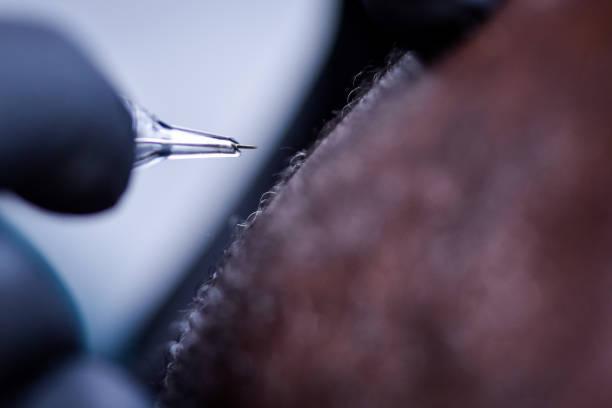
Scalp Micropigmentation in Dubai can help visually soften areas that remain less dense after a hair transplant by adding carefully positioned follicular impressions between established hairs. The purpose is not to replace transplanted follicles, but to reduce the visual difference between a thinner zone and the surrounding coverage.
A residual gap may become apparent only after the transplant has matured. At that stage, the question is not simply whether more grafts are possible, but whether the remaining visibility is better addressed through additional surgery, cosmetic camouflage, or a combination of approaches.
What Creates a Post-Transplant Gap
Recipient Density Can Vary
Transplanted follicles are distributed according to the available donor supply, recipient anatomy, surgical planning, and the patient's restoration goals. Some areas may consequently have less visual density than others.
ISHRS notes that SMP can be used in low-density areas following previous hair restoration and may complement surgical treatment when additional grafting is limited or not desired.
Native Hair Can Continue Changing
A transplant does not necessarily stop the progression of hair loss in untreated native follicles. This can alter the visual relationship between transplanted and original hair over time.
A gap may therefore reflect changing native density rather than inadequate placement of transplanted grafts. This distinction should be established before choosing cosmetic pigmentation.
Why Timing Matters After Hair Transplantation
Waiting for the Final Growth Pattern
SMP should not be used immediately to disguise a transplant that has not yet matured. ISHRS guidance recommends waiting at least a year after hair transplantation before SMP because transplanted hairs can continue emerging and changing in density during this period.
Waiting provides a more reliable picture of the final recipient pattern. It also reduces the risk of designing pigment around follicles whose eventual growth direction or density has not yet become clear.
Assessing the Mature Result
Once sufficient time has passed, the remaining visual gaps can be evaluated under different lighting and with the patient's usual hairstyle.
This allows the practitioner to distinguish between a genuinely persistent low-density area and a temporary phase of incomplete hair growth.
SMP Treatment for Post-Transplant Gaps
Mapping the Established Grafts
The treated area should be mapped around the existing transplanted follicles rather than approached as blank scalp. Their spacing provides a reference for pigment distribution.
The objective is to create additional visual continuity without making the recipient zone appear uniformly dark.
Blending Around Follicular Units
A post-transplant area can contain a mixture of transplanted follicles, native hairs, fine miniaturized hairs, and visible scalp. SMP can introduce small pigment impressions into selected spaces between these elements.
The International Society of Hair Restoration Surgery describes SMP as a method using tiny dots in varying patterns and distributions to improve the visual appearance of thin scalp areas.
Preserving the Existing Hair Direction
The pigment pattern should visually respect the direction and arrangement of the established hair. A transplant recipient area may have a carefully designed flow, particularly near the frontal region.
Adding an unrelated pigment pattern can disrupt that flow. The better approach is to use the existing growth pattern as the visual framework.
Evaluating the Gap Before Choosing SMP
| Post-transplant finding | What it may indicate | Assessment focus | Possible role of SMP |
|---|---|---|---|
| Small persistent spaces | Localized lower density | Exact gap boundaries | Targeted visual blending |
| Broad thin recipient zone | Overall density limitation | Graft distribution and donor availability | Background density camouflage |
| Native hair thinning around grafts | Continuing hair-loss pattern | Stability and progression | Selective contrast reduction |
| Visible scalp between mature grafts | Follicular spacing | Hair length and lighting | Localized pigmentation |
| Remaining cosmetic mismatch | Difference between zones | Hair characteristics and distribution | Transitional blending |
The table illustrates why post-transplant SMP should be planned after evaluating the underlying restoration result rather than simply adding pigment wherever scalp is visible.
Distinguishing a Density Gap From a Surgical Problem
Poor Growth
If transplanted follicles have produced substantially less growth than expected, the appropriate response may require medical or surgical assessment rather than immediate camouflage.
Pigmentation can change how the scalp looks, but it cannot correct graft survival or create biological hair growth.
Irregular Distribution
An uneven result can involve spacing, angulation, density, or the relationship between transplanted and native follicles. A specialist should first identify the cause of the visual irregularity.
ISHRS educational material on revision surgery emphasizes that corrective planning needs to account for the limitations of the existing restoration and available donor supply.
When SMP Can Be Considered Instead of Another Procedure
Some patients may have little donor reserve remaining after previous transplantation. Others may not want another surgical procedure for a relatively small cosmetic discrepancy.
In these circumstances, SMP can provide a non-surgical method of visually improving thin areas. ISHRS identifies SMP as an option for low-density regions and as a complementary technique when additional surgery may not be appropriate.
The decision depends on the size of the gap, the stability of surrounding hair, donor availability, scalp condition, and the patient's preferred hairstyle.
Post-Transplant Gaps and Hair Length
Longer Hair Can Hide the Difference
With longer hair, surrounding strands may cover areas of lower density. The gap may become visible when the hair is wet, brushed backward, separated differently, or exposed to movement.
Treatment planning should therefore consider the patient's normal styling habits rather than evaluating the recipient area under only one controlled hairstyle.
Short Hair Reveals Density Differences
Shorter hair removes much of the overlap that can conceal spacing differences. As a result, small gaps between transplanted follicles may become more apparent.
This is where carefully distributed follicular impressions can alter the visual background while allowing the existing hair to remain the dominant feature.
Scalp Texture After Transplantation
Previous surgery can change the texture of the recipient scalp. Some patients may have subtle differences in skin quality, while others may have areas affected by previous inflammation or surgical complications.
SMP planning should take tissue characteristics into account because pigment behavior can differ in altered skin. Current ISHRS educational programs continue to address scalp tissue quality, complications, and technically challenging hair-restoration cases, reflecting the importance of individualized scalp assessment.
Dubai-Specific Considerations
Post-transplant patients in Dubai may spend significant time in intense sunlight, highly illuminated indoor spaces, and air-conditioned environments. These conditions can make differences in scalp visibility more noticeable and make appropriate sun protection relevant to long-term cosmetic maintenance.
Patients should also consider their usual grooming schedule. Someone who regularly clips the hair short may have very different camouflage requirements from someone who maintains longer coverage.
For people researching individualized hair restoration care in Dubai, post-transplant SMP should be approached as a refinement strategy based on the mature restoration pattern rather than as a replacement for proper transplant planning.
When SMP Should Be Delayed
Pigmentation should not be used simply because a patient is dissatisfied during the early stages of transplant recovery.
It may be appropriate to delay treatment when:
- Transplanted hairs have not reached sufficient maturity.
- The recipient density is still changing.
- The scalp has not fully healed.
- There is active inflammation or infection.
- The underlying hair-loss pattern remains unclear.
- Further surgical assessment is being considered.
ISHRS specifically recommends waiting approximately one year after transplantation before SMP because hair growth and scalp healing need time to stabilize.
Combining Hair Transplantation and SMP
SMP and transplantation have different mechanisms and can sometimes complement one another.
A transplant supplies actual follicular units, while SMP changes the visual appearance of the scalp. In selected cases, transplantation may establish the primary coverage and SMP may later reduce residual scalp contrast in areas where further graft placement is limited.
This combined approach should be planned only after the surgical result and long-term hair-loss pattern have been evaluated.
Selecting a Post-Transplant SMP Approach
A focused consultation should examine:
- The date and technique of the original transplant
- Current graft growth
- Native hair density
- Recipient-area distribution
- Donor availability
- Hair length and styling preferences
- Scalp texture
- Existing scars or altered tissue
- Ongoing hair-loss progression
- The precise location and size of the remaining gap
These factors determine whether targeted pigmentation, additional restoration, continued observation, or a combination of approaches makes sense.
Strategic Investment in a Mature Transplant Result
Post-transplant gaps are best assessed after the restoration has matured because the final hair pattern determines where visual camouflage is actually needed. SMP can then be used selectively to reduce scalp contrast without pretending to replace missing follicles.
If you are considering Scalp Micropigmentation in Dubai for persistent post-transplant gaps, a consultation with Tajmeels Clinic can help assess the mature result, identify the true source of visible contrast, and determine whether targeted SMP fits your long-term hair-restoration plan.

 English
 Arabic
 French
 Spanish
 Portuguese
 Deutsch
 Turkish
 Italiano
 Russian
 Romaian
 Portuguese (Brazil)
 Greek
Greek