


How to Rotate Clothing to Extend Its Life
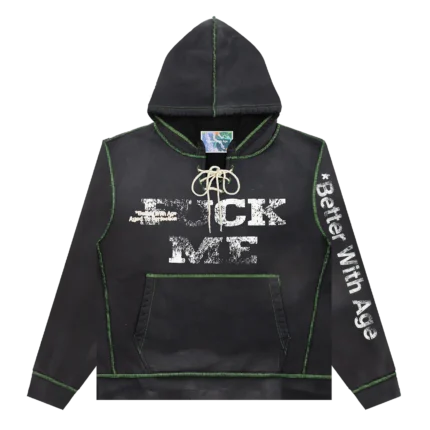
A well-built wardrobe is not only about having the right clothes; it is also about knowing how to use them effectively. Wearing the same favorite jeans, T-shirt, or jacket repeatedly can make that piece feel familiar and dependable, but constant use can also place unnecessary stress on fabric, seams, hems, and other high-contact areas. Clothing rotation offers a simple way to distribute everyday wear across several pieces while giving garments time between uses. This does not mean keeping clothes untouched or treating everyday fashion as something precious. Instead, it encourages a more practical relationship with clothing in which favorite pieces can be enjoyed regularly without carrying the entire workload of the wardrobe. For people who appreciate better with age style, rotation can also allow garments to develop their own character naturally over time.
Why Clothing Rotation Matters
Everyday clothing experiences friction, stretching, moisture, washing, and repeated movement. Jeans may receive extra stress around the knees, pockets, seat, and waistband, while T-shirts can experience wear around the collar and sleeves. Jackets may experience pressure around the shoulders and cuffs. When one item is worn constantly, these areas receive repeated stress with little opportunity for the fabric to recover between uses. Rotating several suitable pieces spreads that activity across the wardrobe. The result is not necessarily that every garment will last forever, but rather that individual pieces can remain useful for longer before requiring major repair or replacement. Rotation also makes a wardrobe feel more varied because familiar garments can create different combinations throughout the week.
Start With Your Most-Worn Categories
The easiest way to build a rotation system is to identify the clothing categories you use most often. For many casual wardrobes, these include jeans, T-shirts, trousers, jackets, and everyday shoes. There is no need to rotate everything equally. If you wear denim almost every day, start by creating a rotation of several pairs rather than trying to manage every garment in your closet. If graphic T-shirts are a major part of your style, alternate between different designs and fabrics. If jackets are worn only occasionally, they may naturally receive enough rest without a formal schedule. The goal is to make rotation reflect your actual lifestyle rather than creating unnecessary rules.
Create a Practical Denim Rotation
Denim is one of the easiest places to see the benefits of rotation because jeans often become the foundation of casual outfits. Instead of wearing one favorite pair every day, alternate between different fits, washes, and weights. A darker pair can work with cleaner outfits, while faded denim can bring a more relaxed appearance. A wider silhouette can provide a different proportion from a straight or regular fit. If you own several pairs of better with age jeans, rotating them allows each pair to experience regular wear without being subjected to the same amount of daily stress. This also gives you an opportunity to notice how different denim fabrics change over time.
Rotate T-Shirts by Fabric and Purpose
T-shirts can also benefit from thoughtful rotation. Lightweight tees may be particularly useful during warm weather, while heavier shirts can provide more structure or work better under jackets. Graphic T-shirts can be alternated with simpler basics so that the same garment is not repeatedly washed and worn. Keeping a few dependable neutral shirts alongside distinctive graphics gives you more outfit options without needing a huge collection. If one T-shirt becomes your default choice, place another suitable option somewhere equally accessible so that rotation feels natural. The aim is not to stop wearing favorites but to prevent one piece from becoming the only reliable option in your wardrobe.
Give Jackets Time Between Wears
Jackets generally do not need to be washed as frequently as T-shirts, but they still benefit from being rotated. After wearing a jacket for a long day, allow it to air out before placing it back into a crowded wardrobe. On another day, choose a different outer layer if the weather allows. Rotating jackets can also change the character of an outfit without requiring a complete wardrobe change. A reconstructed denim jacket may create a different visual direction from a workwear-inspired jacket, even when both are worn over the same T-shirt and jeans. This makes outerwear rotation useful for both garment care and personal styling.
Use Different Pieces for Different Activities
Another effective rotation strategy is to match clothing with the type of activity you are doing. A pair of durable jeans can be reserved for days involving more movement or outdoor activity, while a cleaner pair may be better suited to casual social settings. Lightweight trousers can be useful for warmer days, while heavier workwear-inspired pants can provide more structure and durability when needed. This does not mean clothing must have rigid categories. Instead, understanding which garments perform well in particular situations helps you avoid putting unnecessary stress on delicate or less suitable pieces. Over time, this can make the entire wardrobe more functional.
Consider Fabric Weight
Fabric weight can be a useful factor when planning rotation. Heavy denim, heavyweight cotton, canvas, and other substantial fabrics can feel excellent but may not always be necessary for every situation. Lightweight fabrics can provide comfort in warmer conditions and reduce the need to repeatedly wear heavier garments. Similarly, heavier clothing may be more appropriate during cooler weather or when you want additional structure. Rotating according to fabric weight creates a wardrobe that responds to changing conditions rather than relying on the same pieces throughout the year. This approach also keeps outfits visually varied because different materials naturally create different textures and silhouettes.
Let Clothing Rest After Washing
Rotation becomes especially useful when combined with sensible washing habits. Not every garment needs to be washed after every wear, particularly outer layers and some denim pieces, provided they remain clean and appropriate to wear. When a garment does need washing, rotating another suitable piece into your outfit allows the first item to be cleaned and completely dried before returning to regular use. Always follow the care instructions for the specific garment. Proper drying is particularly important because storing or wearing fabric while it remains damp can contribute to unpleasant odors and other problems. Good rotation therefore works as part of a broader clothing-care routine.
Use Rotation to Discover Forgotten Pieces
A wardrobe rotation can reveal garments that you have not worn for months. When clothing is constantly buried under more frequently used pieces, it is easy to forget what you already own. Creating a loose rotation encourages you to bring different items back into regular use. You may discover that an older jacket works surprisingly well with a newer pair of trousers or that a graphic tee you rarely wear looks different when combined with relaxed denim. This can reduce the feeling that you need to shop whenever your outfits begin to feel repetitive. Sometimes the solution is simply to change which existing pieces are given attention.
Build Outfits Around Existing Favorites
Rotation does not mean every item needs equal attention. Some pieces will naturally become favorites because they fit well, feel comfortable, or work with many outfits. Keep those garments in regular use while changing the supporting pieces around them. For example, the same favorite pair of jeans can be worn with different graphic T-shirts, overshirts, jackets, and footwear. Another week, the same jacket can be combined with different trousers and denim. This approach keeps favorite pieces active without creating complete dependence on them. It also demonstrates why better with age clothing can remain useful across changing outfits and seasons.
Keep a Small Seasonal Rotation
Seasonal rotation can make wardrobe management much easier. During warmer months, lightweight T-shirts, breathable trousers, denim shorts, and lighter jackets can remain easily accessible, while heavier outerwear can be stored separately. When temperatures drop, the arrangement can be reversed. Seasonal rotation reduces unnecessary crowding and gives each garment a clearer purpose during the part of the year when it is most useful. Before moving clothing into long-term storage, make sure it is clean and completely dry. This simple step helps prevent unwanted odors and makes the garment ready for its next season.
Rotate Without Creating Complicated Rules
A useful clothing rotation should make dressing easier, not turn your wardrobe into a schedule that requires constant management. You do not need to assign every pair of jeans a specific day or keep detailed records of how many times a shirt has been worn. A simple visual system is often enough. Keep frequently worn pieces accessible, move recently worn garments slightly aside when appropriate, and choose another suitable option the next time you dress. The exact system can change depending on the size of your wardrobe. What matters is creating enough variation to prevent unnecessary dependence on a single garment.
Rotation and Personal Style
One unexpected benefit of rotating clothing is that it can help develop personal style. Wearing the same combination repeatedly may make your wardrobe feel narrower than it actually is. Changing one element at a time can reveal new proportions, colors, textures, and combinations. A familiar pair of jeans may look completely different with a vintage-inspired graphic tee and a structured jacket. Relaxed trousers may take on a different character when paired with a simple T-shirt and denim layer. This experimentation does not require following new trends. It simply encourages you to explore the potential of what you already own. A wardrobe built around better with age principles can become more individual as you learn which combinations feel most natural to you.
Make Repairs Part of the Rotation
Rotation also gives you an opportunity to identify small repairs before they become larger problems. If you notice a loose button, opening seam, worn hem, or damaged pocket while putting a garment aside, take care of it before returning the piece to heavy rotation. Temporarily removing one garment from regular use can give you enough time to repair it without disrupting your entire wardrobe. Small repairs can be particularly valuable for denim and workwear-inspired clothing because these materials often develop more personality as they are worn. Maintaining the garment allows that character to continue developing instead of ending its useful life because of a relatively minor issue.
A Wardrobe That Works Harder
The real advantage of clothing rotation is not simply making garments last longer. It also helps a wardrobe become more useful. When several pieces are regularly worn, you learn how they fit, how they respond to different activities, and which combinations work best. You begin to recognize which garments deserve more frequent use and which ones may no longer fit your lifestyle. This information can make future shopping more selective because you are buying to fill genuine gaps rather than reacting to temporary boredom. A smaller collection of useful pieces can therefore provide more outfit possibilities when each garment is actively integrated into the rotation.
Final Thoughts
Clothing rotation is a straightforward habit that can improve both garment care and everyday styling. Alternating jeans, T-shirts, trousers, jackets, and seasonal pieces distributes wear while giving you more opportunities to experiment with combinations. The system does not need to be complicated; even a simple rotation based on activity, weather, fabric weight, and personal preference can make a difference. When better with age clothing is given regular care and reasonable rest between wears, its natural character can develop through everyday use rather than unnecessary stress. The result is a wardrobe that feels more varied, more practical, and better connected to the way you actually live.

 Arabic
 French
 Spanish
 Portuguese
 Deutsch
 Turkish
 Dutch
Dutch
 Italiano
 Russian
 Romaian
 Portuguese (Brazil)
 Greek
Greek