


Dungeons & Dragons
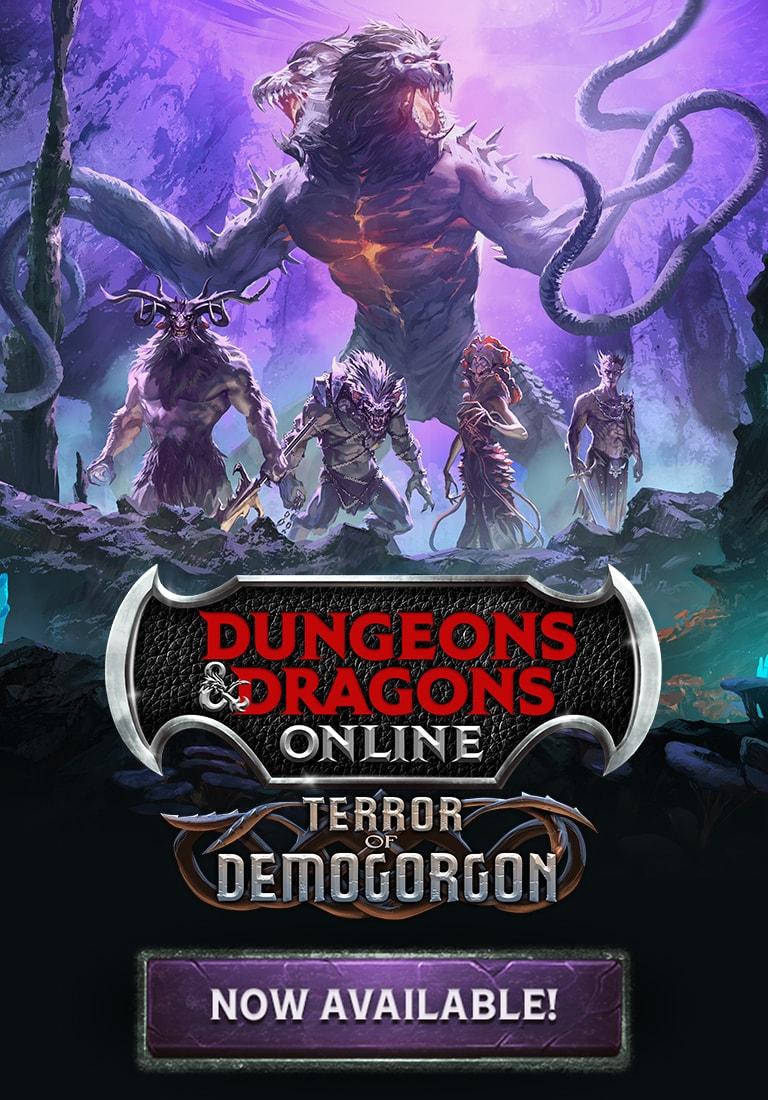
Dungeons & Dragons, also called D&D, is a fantasy tabletop role-playing game where players create characters and take part in adventures through an imaginary world. The game is different from many traditional games because there is no single fixed storyline that every player must follow. Instead, the story develops through conversations, decisions, dice rolls, and the creativity of everyone involved.
A group can spend an evening exploring an old dungeon, searching for treasure, meeting strange characters, solving a mystery, or fighting dangerous creatures. Another group using the same basic game can create a completely different adventure. This freedom is one of the main features that has made Dungeons & Dragons popular among role-playing game fans.
Understanding Dungeons & Dragons
At its simplest, Dungeons & Dragons is a shared storytelling experience. One person usually acts as the Dungeon Master, while the remaining participants play individual characters.
The Dungeon Master creates or manages the adventure. They describe locations, introduce characters, control monsters, and explain what happens around the players. The players decide how their characters react to these situations.
For example, the Dungeon Master might tell the group that they have discovered a mysterious wooden door inside an underground passage. One player might try to open it, another might search for traps, and another might listen for sounds on the other side. The DM then uses the game's rules and dice to determine what happens.
The Dungeon Master
The Dungeon Master, commonly shortened to DM, plays a central role in D&D. The DM is responsible for presenting the game world and helping the adventure move forward.
A DM may prepare maps, locations, enemies, characters, puzzles, and story events before a gaming session. During the game, however, players can make unexpected choices. The DM must respond to those choices and determine how the fictional world reacts.
The DM is not simply an opponent. Their role is closer to a combination of storyteller, referee, narrator, and game organizer. They help create challenges while giving players opportunities to make meaningful decisions.
Player Characters
Each player normally creates and controls a character. This character becomes the player's identity within the fantasy world.
Players can decide many details about their characters, including appearance, personality, background, abilities, and goals. A character may be brave and adventurous, cautious and intelligent, humorous and friendly, or mysterious and serious.
Characters also have different abilities depending on their chosen class and other features. These differences allow players to take on different roles within an adventuring group.
Character Classes
Character classes determine many of the abilities a character can use. Different classes provide different ways to participate in an adventure.
A fighter generally focuses on physical combat and martial abilities. A wizard uses magical knowledge and spells. A rogue can specialize in skills such as stealth and clever problem-solving. A cleric may combine combat abilities with magical powers connected to their role.
These are only examples, and the game offers many other possibilities. Players can choose a class that matches the type of character they want to play.
The Importance of Dice
Dice are an essential part of Dungeons & Dragons. They introduce uncertainty and help determine the outcome of actions.
The d20, or twenty-sided die, is particularly important. Players may roll it when attempting an attack, making a skill check, or trying another action where success is uncertain.
The character's abilities and relevant bonuses can affect the final result. This means that success is not based entirely on luck. Character abilities, player decisions, and the circumstances of the situation can all matter.
Dice also create memorable moments. A successful roll at an important moment can completely change the direction of an adventure.
Exploring a Fantasy World
Exploration is another major part of Dungeons & Dragons. Players can travel through towns, forests, mountains, caves, ruins, castles, and other fictional locations.
The DM describes the environment, while players decide where they want to go and what they want to investigate.
Exploration can involve finding hidden objects, discovering secret passages, talking to local characters, studying old documents, or searching for clues. Players often have to decide whether they want to take a safe path or investigate something that appears dangerous.
Combat in D&D
Combat can be an important part of an adventure. Characters may face monsters, villains, creatures, or other threats.
During combat, the game generally uses a structured turn system. Players decide what their characters will do when it is their turn. They might attack an enemy, move to another location, use a spell, protect another character, or perform another action allowed by the rules.
Not every problem needs to be solved through combat. Players can sometimes avoid a fight by negotiating, using clever strategies, or finding another solution.
Magic and Fantasy
Magic is one of the elements that gives Dungeons & Dragons its distinctive fantasy atmosphere. Characters with magical abilities may be able to cast spells that create different effects.
Magic can be used during battles, but it can also help with exploration and problem-solving. A spell might reveal information, protect a character, help someone move through a difficult area, or produce another useful effect.
The combination of magic, monsters, ancient locations, and imaginative characters creates a world where many different types of stories can take place.
Teamwork Between Players
D&D is usually played as a cooperative game. Players form a group of adventurers who work together toward shared goals.
Different characters can contribute in different ways. A character with strong combat abilities may protect the group, while another character may have useful magical or investigative skills.
Good communication can help players make better decisions. They may discuss plans before entering a dangerous location or decide which character is best suited for a particular task.
Teamwork can also become part of the story. Characters may develop friendships, disagreements, and unique relationships as the adventure continues.
Creating Your Own Story
One of the most interesting features of Dungeons & Dragons is that the players help create the story. The adventure does not always follow a perfectly predictable path.
A simple decision can lead to an unexpected situation. Players might decide to investigate something that the DM did not expect them to notice, or they might solve a problem in a completely different way.
This flexibility gives D&D a strong storytelling element. The final adventure is created through the combined ideas of the DM and players.
Playing D&D Online
Although Dungeons & Dragons began as a tabletop game, modern groups can also play online. Players can communicate through voice or video calls and use digital tools for character sheets, maps, and dice.
Online play allows people in different locations to participate in the same campaign. However, the basic principles remain similar: players control characters, the DM manages the adventure, and the group creates the story together.
Getting Started as a Beginner
Someone who has never played D&D may initially feel overwhelmed by the number of rules, classes, spells, and character options. The best way to start is by learning the basic concepts rather than trying to memorize everything.
A beginner can start with a simple character and learn rules naturally during play. An experienced DM or player can explain important mechanics when they become relevant.
The most important part is understanding the basic cycle: the DM describes a situation, the player decides what their character does, and the rules or dice help determine the result.
Conclusion
Dungeons & Dragons is a flexible fantasy role-playing game that combines imagination, storytelling, teamwork, strategy, and chance. Players create characters and explore an imaginary world under the guidance of a Dungeon Master.
From discovering mysterious locations to fighting monsters, solving problems, and making unexpected choices, every session can develop differently. Dice add uncertainty, while character abilities and player decisions influence the direction of the adventure.
The game can be played around a physical table or through online communication tools. Whether someone enjoys fantasy stories, creative problem-solving, character development, or cooperative games, Dungeons & Dragons provides a flexible environment for creating adventures together.
Ultimately, the most important feature of D&D is the shared story. The rules provide a framework, but the players and Dungeon Master bring the world to life through their ideas, choices, and imagination.

 English
 Arabic
 French
 Spanish
 Portuguese
 Deutsch
 Turkish
 Dutch
Dutch
 Italiano
 Romaian
 Portuguese (Brazil)
 Greek
Greek