


Why Should Clinics Hire a Spanish Virtual Assistant?
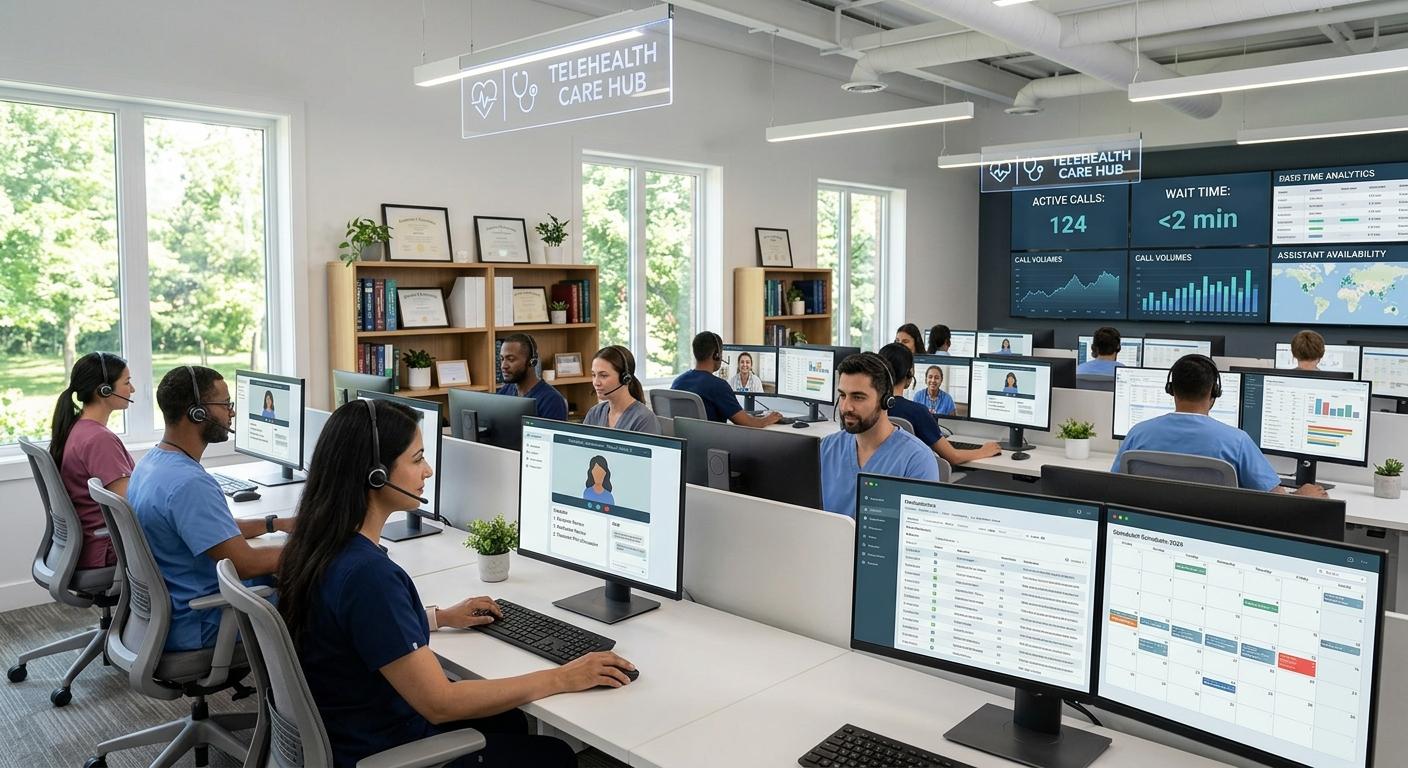
Clinics often serve patients from different cultural and linguistic backgrounds. For practices that regularly communicate with Spanish-speaking patients, language support can make routine administrative interactions easier and more accessible. A Spanish virtual assistant can provide remote support for tasks such as scheduling, patient communication, reminders, and follow-ups, helping clinics manage their administrative workload more efficiently.
What Is a Spanish Virtual Assistant?
A Spanish virtual assistant is a remote professional who provides administrative and communication support for healthcare practices and can assist Spanish-speaking patients when appropriately trained. Depending on the clinic's needs, responsibilities may include appointment scheduling, answering routine inquiries, confirming appointments, coordinating follow-ups, and managing other non-clinical tasks.
Supporting Spanish-Speaking Patients
Language preferences can influence how easily patients communicate with a healthcare practice. A Spanish virtual assistant can help clinics communicate with Spanish-speaking patients for appropriate administrative matters. Providing information in a patient's preferred language can make scheduling and routine interactions easier to navigate.
Improving Appointment Scheduling
Appointment management requires regular communication between patients and clinic staff. Virtual assistants can help with scheduling requests, appointment confirmations, cancellations, and rescheduling. Having remote support for these activities can help reduce the amount of routine scheduling work handled by in-house employees.
Managing Patient Inquiries
Patients may contact clinics with questions about office hours, appointments, forms, or other administrative matters. A trained virtual assistant can handle appropriate routine inquiries based on the clinic's guidelines. This can help ensure that administrative questions are directed and managed efficiently while clinical issues remain with qualified healthcare professionals.
Supporting Follow-Up Communication
Follow-up communication is another routine responsibility for many clinics. Virtual assistants can help send appointment reminders, confirm future visits, and manage approved administrative follow-ups. Consistent communication can help clinics keep their appointment workflows organized.
Reducing Administrative Pressure
Clinic employees often manage several responsibilities at once. Delegating suitable administrative tasks to a remote professional can help distribute the workload. This allows in-house staff to focus on responsibilities that require on-site coordination or direct patient interaction.
Supporting Medical Documentation
Administrative efficiency also depends on well-organized clinical documentation. A virtual medical scribe can assist healthcare providers with appropriate documentation tasks, such as organizing information from patient encounters and supporting electronic health record workflows. This can help reduce some of the documentation workload placed on physicians.
Helping Clinics Manage Growth
As a clinic grows, the number of patient communications and administrative tasks may increase. Virtual staffing provides an option for assigning specific responsibilities to remote professionals. Clinics can identify tasks suitable for remote support and create workflows that coordinate virtual staff with their existing teams.
Privacy and Security Considerations
Healthcare practices must protect patient information when using virtual services. Clinics should ensure that remote professionals receive appropriate training and follow confidentiality procedures. Secure systems, controlled access, and clearly defined responsibilities are important when handling patient-related information.
Conclusion
A Spanish virtual assistant can help clinics support Spanish-speaking patients while managing scheduling, routine inquiries, reminders, and administrative follow-ups. When combined with documentation services such as virtual medical scribing, remote healthcare support can help clinics organize workloads and improve operational efficiency. With proper training, privacy safeguards, and clear processes, virtual assistance can become a useful part of modern clinic operations.

 English
 Arabic
 French
 Spanish
 Portuguese
 Deutsch
 Turkish
 Dutch
Dutch
 Italiano
 Romaian
 Portuguese (Brazil)
 Greek
Greek