


Post-Vet Surgery Recovery: Preventing Licking and Identifying Signs of Wound Infection or Breakdown
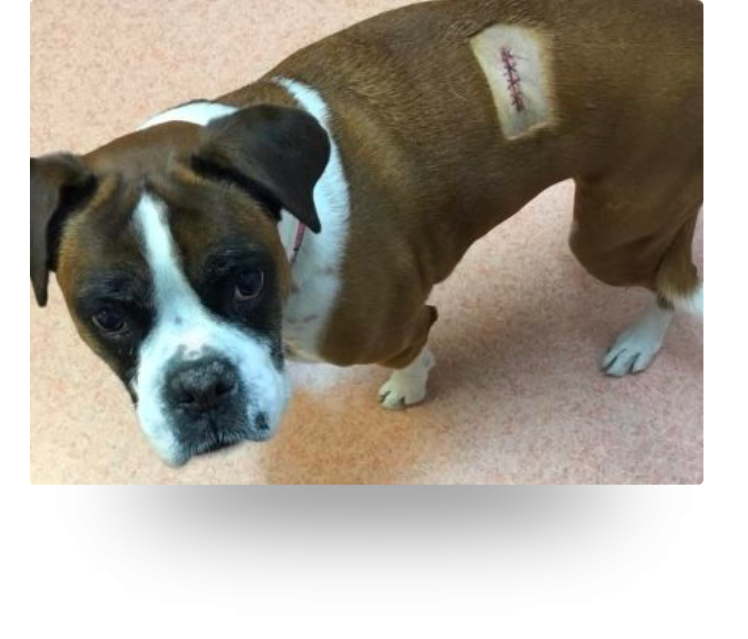
Bringing a pet home after a surgical procedure can be a nerve-wracking experience. Whether your pet has undergone a routine desexing procedure, a complex orthopedic repair, or soft tissue surgery, the success of the operation depends heavily on the care provided during the recovery period at home.
The primary objective during post-operative care is simple: keep the incision clean, dry, and intact until the tissue heals completely. However, achieving this requires vigilance, proper physical barriers, and an understanding of what normal healing looks like versus early signs of infection or wound breakdown.
Understanding the Impulse to Lick
It is completely natural for pets to attempt to lick, chew, or scratch at their surgical sites. Licking is a instinctive response to the sensation of healing tissue. As skin knit back together, nerve endings fire, causing localized itchiness and irritation. Additionally, surgical prep, including shaved fur growing back, skin disinfectants, and tight sutures, adds to the discomfort.
While pet owners often assume a pet's mouth is naturally clean, this is a dangerous myth. Animal saliva is packed with bacteria, including Staphylococcus, Streptococcus, and Pasteurella species. Introducing these bacteria directly into an open surgical wound converts a sterile procedure into a high-risk biological hazard. Furthermore, the physical motion of the tongue introduces friction, which weakens structural sutures, dissolves surgical glue prematurely, and tears fragile new skin cells.
Practical Methods to Prevent Licking and Scratching
Preventing self-trauma requires a consistent barrier strategy. Leaving a pet unattended for even a few minutes without protection can result in emergency vet surgery to re-close an open wound.
1. Elizabethan Collars (E-Collars)
The traditional rigid plastic cone remains the gold standard in veterinary medicine. To be effective, the edge of the cone must extend roughly two to three centimeters past the tip of your pet's nose. If the cone is too short, the pet can still bend around the edge and reach the incision site.
-
Hard Plastic Cones: Provide the highest level of security, particularly for abdominal, hind leg, or tail surgeries.
-
Soft or Flexible Cones: More comfortable for sleeping and moving around indoor furniture, but agile pets can often fold them back to reach the wound.
-
Inflatable Donut Collars: Great for reducing peripheral vision obstruction, but they do not prevent pets from reaching their lower abdomen, paws, or rear legs.
2. Surgical Recovery Suits and Onesies
For abdominal procedures, such as routine desexing or exploratory laparotomies, a breathable cotton surgical jumpsuit offers an excellent physical barrier. These suits fit snugly over the torso, covering the incision completely while allowing freedom of movement. Always ensure the material remains clean and dry. If a suit becomes damp from water bowls or outdoor dew, replace it immediately, as moisture creates a breeding ground for skin microbes.
3. Localized Bandaging and Booties
If the surgical site is on a limb or paw, specialized bandaging applied by your veterinary team must be protected. When taking your pet outside to toileting areas, slip a waterproof bootie or a temporary plastic cover over the bandage to prevent moisture, dirt, and lawn debris from soaking through. Remove the waterproof cover as soon as the pet returns indoors to allow normal air circulation.
Daily Wound Inspection Protocols
You should inspect your pet’s incision site at least twice daily in a well-lit area. Establishing a routine helps you identify subtle changes before they turn into major medical issues.
What a Normal Healing Incision Looks Like
During the first 24 to 72 hours, a healthy surgical wound typically exhibits the following characteristics:
-
Clean Margins: The edges of the skin should sit flush against one another, secured by visible sutures, staples, or internal skin glue.
-
Mild Pinkness: Light redness immediately surrounding the suture line is a normal biological response to inflammation and localized blood flow.
-
Minimal Clear Discharge: A tiny amount of clear or slightly pink-tinged fluid may seep from the wound within the first 24 hours.
-
Slight Swelling: A modest, soft firm ridge often forms along the suture line as healing collagen deposits underneath.
Identifying Signs of Infection or Wound Breakdown
Wound breakdown, clinically referred to as dehiscence, occurs when the edges of a surgical wound separate. This can be superficial (skin layer only) or deep (involving underlying muscle layers).
| Parameter | Normal Healing Signs | Infection / Breakdown Warning Signs |
| Color | Mild pinkness around edges | Spreading bright red skin, dark purple blotches, or black tissue |
| Temperature | Normal skin temperature or slight warmth | Noticeable heat radiating off the wound site |
| Discharge | None, or tiny amounts of clear/pink fluid | Thick yellow, green, or cloudy pus; active dark blood bleeding |
| Odor | Odorless | Foul, sour, or rotting smell emanating from the site |
| Structure | Edges together; intact sutures/staples | Gapping skin, missing sutures, visible tissue underneath |
| Comfort | Decreasing discomfort over 48 hours | Sudden escalation in pain, crying out, or extreme restlessness |
Recognizing Early Infection
A bacterial infection typically develops three to five days post-surgery. Watch closely for expanding areas of redness that spread outward from the incision line. If the skin feels hot to the touch or if you notice creamy yellow or foul-smelling green discharge oozing between the sutures, contact your clinic.
Recognizing Dehiscence (Wound Breakdown)
Dehiscence happens when mechanical force or infection destroys tissue integrity. If you observe gaps in the skin line, missing sutures, or internal tissue protruding from the wound, this is an immediate medical emergency. Cover the area loosely with a clean, dry towel and transport your pet directly to a veterinary clinic or emergency night hospital.
Environmental and Activity Management
Physical rest is just as vital as preventing licking. Over-activity increases internal blood pressure and stretches skin tissue, which frequently leads to fluid accumulation beneath the skin (seromas) or suture failure.
   [Home Return]
         │
         ▼
 ┌───────────────┐
 │ Strict Rest   │ ◄── Keep indoors, crates, or small quiet rooms
 └───────┬───────┘
         │
         ▼
 ┌───────────────┐
 │ Controlled    │ ◄── On-lead outdoor toilet breaks only
 │ Mobility      │     No stairs, jumping, or rough play
 └───────┬───────┘
         │
         ▼
 ┌───────────────┐
 │ Daily Checks  │ ◄── Inspect wound twice daily for redness or discharge
 └───────┬───────┘
         │
         ▼
 [Veterinary Re-Check & Stitch Removal]
To ensure an uninterrupted recovery, follow these core environmental rules:
-
Restrict Jumping and Stairs: Block access to couches, beds, and staircases using baby gates. Jumping puts massive tensile force across abdominal and limb incisions.
-
Short On-Lead Walks Only: Keep dogs on a short lead when taking them outside for toilet breaks. Do not allow them to run free in the yard or interact with other pets.
-
Isolate from Other Animals: Housemates often attempt to groom a sick or injured pet. Keep recovering animals in a dedicated, quiet room away from other household dogs or cats.
-
Keep the Pet Clean and Dry: Do not wash your pet, perform hydrobaths, or allow them to swim in pools, dams, or ocean water until your vet officially removes the sutures and clears the wound (usually 10 to 14 days post-op).
When to Contact Your Veterinary Surgeon
Trust your instincts. If something looks abnormal or your pet's behavior alters drastically, reach out to your veterinary care provider for advice.
Contact your local veterinary clinic immediately if you observe:
-
Continuous dripping of fluid or active bleeding from the incision.
-
Gapping skin edges where you can see underlying flesh or fat layers.
-
A sudden loss of appetite or refusal to drink water lasting past 24 hours.
-
Lethargy, persistent shivering, or severe panting indicating unmanaged pain.
-
The loss or destruction of an E-collar or surgical suit leaving the wound exposed.
By taking proactive measures to prevent self-trauma, maintaining strict activity restrictions, and conducting daily wound checks, you ensure your pet has the best possible setup for a safe, swift, and uncomplicated recovery.

 English
 French
 Spanish
 Portuguese
 Deutsch
 Turkish
 Dutch
Dutch
 Italiano
 Russian
 Romaian
 Portuguese (Brazil)
 Greek
Greek