


Could FUE Refine a Changing Hairline?
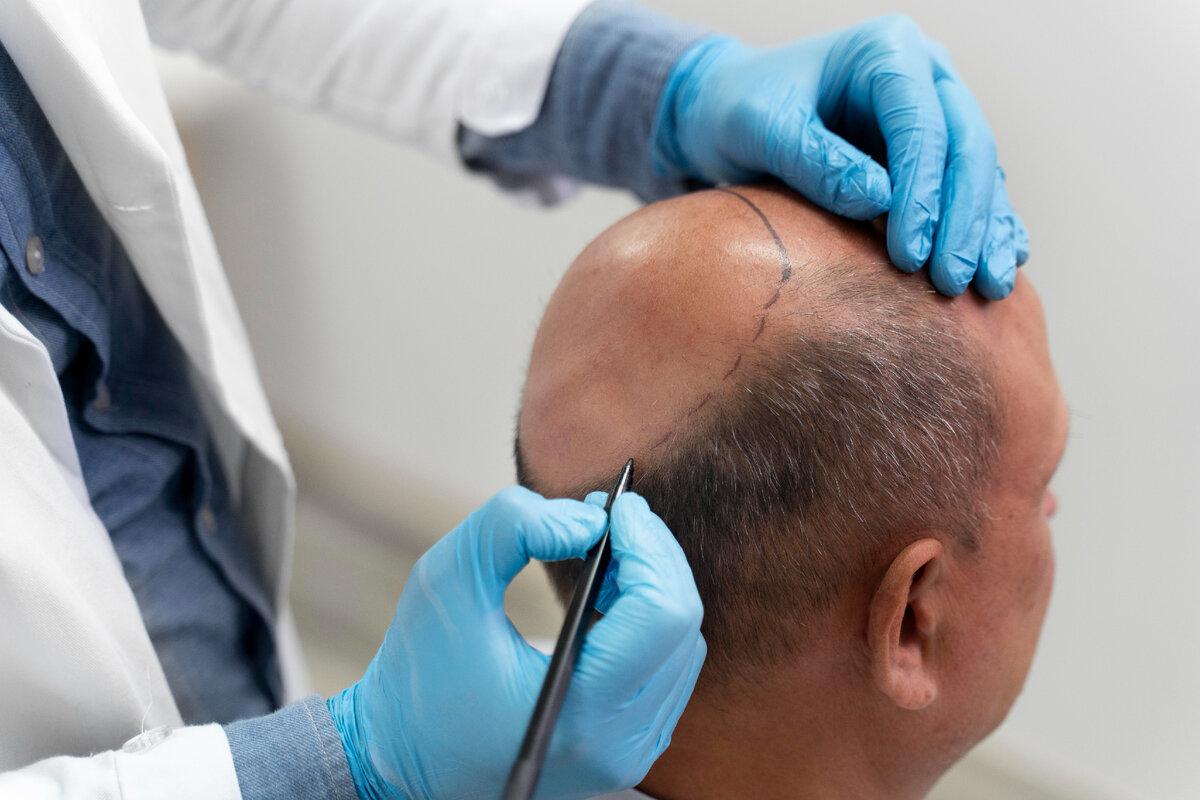
A changing hairline is often one of the earliest visible signs of hair loss. The front may gradually become less dense, the temples can move backward, or small gaps may become noticeable when the hair is styled. These changes can affect facial proportions and make people look for a suitable hair restoration approach.
FUE Hair Transplant may be considered when individual areas require additional follicular coverage. For those researching hair transplant in Islamabad, understanding the planning process can help set realistic expectations before treatment.
Why Does the Hairline Change?
Hairline changes can develop gradually over several years. Genetic hair loss is one of the common contributors, while age and individual hair characteristics may also influence the pattern.
Some people develop temple recession, while others notice thinning across the entire frontal region. A person's natural hairline can also become more visible as surrounding density decreases.
Because patterns differ, treatment should be based on an individual assessment rather than a standard hairline design.
How Can FUE Be Used for Hairline Restoration?
FUE, or Follicular Unit Extraction, involves collecting individual follicular units from a suitable donor region and placing them into selected areas of thinning.
The individual nature of graft placement allows the recipient area to be planned carefully. Around the front edge, factors such as hair direction, angle, spacing, and existing density can be considered.
The purpose is to create a transition that works naturally with the patient's existing hair rather than simply adding a straight row of follicles.
What Makes the Frontal Area Different?
The frontal region is highly visible, so even small changes in density or direction can affect the overall appearance.
Hair normally grows at different angles across different parts of the scalp. The direction around the front may differ from that of the central scalp or temples.
During FUE planning, these natural patterns can be taken into account when determining where individual grafts should be placed.
Can FUE Address Uneven Temples?
Uneven temple density can make the hairline appear asymmetrical. One side may appear more recessed than the other, or both temples may gradually lose coverage.
In suitable cases, FUE can be considered for improving selected temple areas. The design needs to account for the natural shape of the forehead and the direction of existing hair.
A conservative approach may sometimes be preferable to an overly aggressive change, particularly when future hair loss remains possible.
How Important Is the Donor Supply?
The donor area provides the follicles used during transplantation. Its density and hair characteristics can strongly influence the treatment plan.
Before treatment, the donor region should be assessed to determine how many suitable follicular units may be available.
This becomes especially important when a person has thinning in multiple locations. A carefully planned distribution can help avoid focusing entirely on one area while neglecting other regions.
Can FUE Work Around Existing Hair?
Yes, selected thinning areas may contain a combination of existing and reduced-density hair.
When transplantation is planned in such areas, grafts may be placed strategically among existing follicles. The objective is to improve the overall appearance while maintaining a natural transition.
Existing hair should also be considered because future changes may affect the appearance of the transplanted region.
Does Hair Texture Matter?
Hair texture can influence how density appears after transplantation. Thick hair shafts may provide greater visual coverage, while fine hair can require more strategic placement.
Wavy or curly hair may also create a different visual effect compared with straight hair.
Understanding these characteristics allows treatment planning to focus on the patient's individual appearance rather than relying on a fixed grafting formula.
What Should Patients Know About Recovery?
FUE recovery takes place gradually. Temporary redness, swelling, sensitivity, or small crusts can occur during the early period.
The transplanted follicles then move through their natural growth cycle. Because new hair development takes time, patients should not expect the final appearance immediately after the procedure.
Following post-treatment instructions carefully can support proper healing and help protect the transplanted area during recovery.
Who May Be Suitable for FUE?
FUE may be discussed with individuals experiencing a receding hairline, temple thinning, reduced frontal density, or other selected areas of hair loss.
Suitability depends on several factors, including donor availability, the pattern and stability of hair loss, scalp condition, existing hair, and personal expectations.
A professional assessment is important because two people with similar-looking hair loss may have very different donor capacity and treatment requirements.
Why Consult Dr Adnan Bashir?
A personalized consultation can help determine whether FUE is appropriate and which areas should receive priority.
Dr Adnan Bashir can assess the hair-loss pattern, examine the donor region, and discuss possible restoration goals. The planning process can also take into consideration how existing hair and potential future thinning may affect the overall result.
This type of evaluation helps establish expectations based on the individual's circumstances.
Enfield Royal Clinic in Islamabad
People searching for Enfield Royal Clinic in Islamabad may consider discussing their hair restoration concerns through a professional consultation.
At Enfield Royal Clinic in Islamabad, patients can explore FUE Hair Transplant and discuss concerns such as frontal thinning, temple recession, donor capacity, hair characteristics, and recovery.
The treatment approach should be personalized according to the individual's hair pattern and restoration objectives.
Why Are Realistic Goals Important?
Hair transplantation does not produce identical results for everyone. The final appearance can be influenced by graft characteristics, donor quality, existing hair, healing, placement, and future hair loss.
For this reason, realistic goals are an important part of the treatment process. The aim is generally to create an improvement that complements the patient's natural appearance.
Final Thoughts
A changing hairline can gradually influence facial appearance and confidence. FUE Hair Transplant offers an individualized approach in which follicular units can be placed into carefully selected areas of reduced density.

 English
 Arabic
 French
 Spanish
 Portuguese
 Deutsch
 Turkish
 Dutch
Dutch
 Russian
 Romaian
 Portuguese (Brazil)
 Greek
Greek