


How to Choose the Best Pilot Training Institute in India
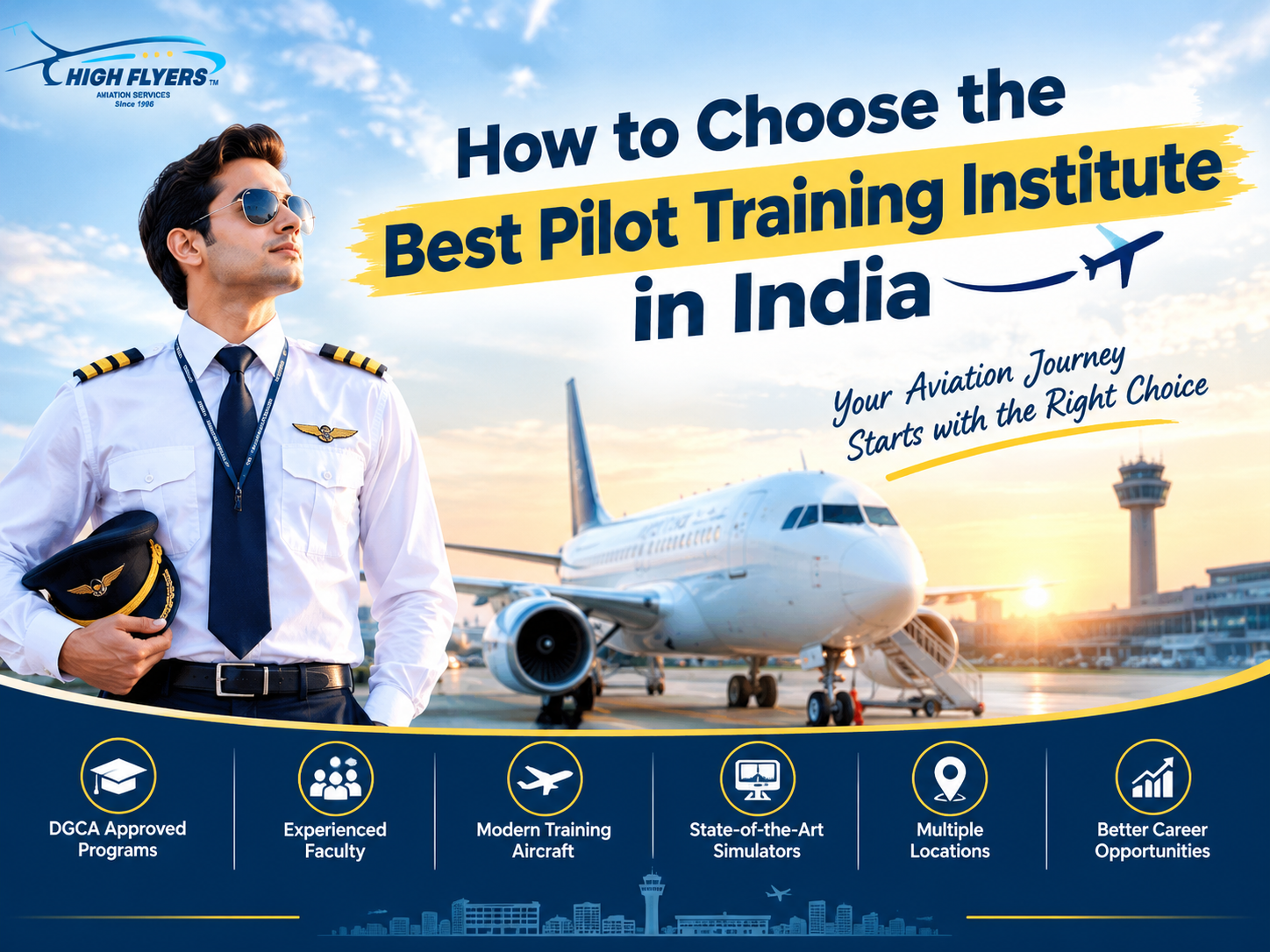
Choosing the best pilot training institute in India is an important decision for students who dream of becoming professional pilots. A successful aviation career requires the right knowledge, practical skills, discipline, and proper guidance. With several training options available, students should compare course structures, instructor experience, training facilities, fees, and licensing requirements before enrolling. Making an informed choice can help aspiring pilots build a strong foundation and prepare for the challenges of commercial aviation.
Why Choosing the Right Pilot Training Institute Matters
Pilot training involves much more than learning to fly an aircraft. Students must understand aviation regulations, navigation, meteorology, aircraft technical knowledge, flight planning, and safety procedures. They must also develop decision-making skills, communication abilities, and the discipline required in a professional cockpit.
A suitable training institute helps students understand these subjects through structured learning and consistent practice. It should also provide clear information about the training pathway, eligibility criteria, and the steps required to pursue a pilot licence.
Before making a decision, students should identify their career goals and determine whether they need theoretical ground classes, practical flight training, or guidance throughout the process.
Check the Institute's Credentials and Approvals
One of the first things students should do is verify the institute's credentials. In India, the Directorate General of Civil Aviation (DGCA) regulates pilot licensing and relevant aspects of civil aviation.
Students should check the current DGCA requirements and verify the approval status of any organisation providing regulated flight training. They should also understand the difference between an aviation coaching academy and an approved flying training organisation.
An academy offering ground classes may help students prepare for theoretical examinations, but this does not automatically mean it provides practical flight training or issues pilot licences.
Ask the institute for clear documentation about its courses, training facilities, and the services included in the fees. Reliable information helps students make decisions based on facts rather than advertising claims.
Evaluate the Course Structure and Training Methods
A well-organised curriculum is essential for effective pilot preparation. Students should review the subjects covered, class schedules, study materials, examination preparation methods, and progress assessments.
Ground training commonly covers areas such as:
-
Air regulations and aviation procedures
-
Aviation meteorology
-
Air navigation
-
Aircraft technical knowledge
-
Flight planning and aviation safety
The exact subjects and requirements depend on the applicable licensing pathway and current regulations.
Students should also ask whether the institute provides practice examinations, doubt-clearing sessions, revision classes, and individual academic support. These resources can help learners identify weak areas and improve their understanding before examinations.
Consider Faculty Experience and Student Support
Experienced instructors can make complicated aviation concepts easier to understand. When comparing institutes, students should ask about faculty qualifications, teaching experience, subject expertise, and the availability of academic guidance.
Student support is equally important. Regular feedback, structured assessments, and access to instructors can help students remain focused throughout their preparation.
It is also useful to speak with current or former students. Their feedback may provide insight into teaching quality, classroom organisation, and the overall learning environment. However, students should verify these experiences independently because individual opinions may differ.
Compare Flight Training Facilities
Students planning to obtain a Commercial Pilot Licence (CPL) should carefully evaluate the practical flight training arrangements available through their chosen pathway.
A suitable flying training organisation should clearly explain its aircraft availability, instructor access, flight scheduling, training records, and practical assessment process.
Ask questions such as:
-
Which aircraft are used for training?
-
How are flying hours scheduled and recorded?
-
What happens when weather conditions interrupt training?
-
Are additional flying hours charged separately?
-
What facilities and support are included in the programme?
These questions help students understand the practical side of training and plan their schedules realistically.
Remember that classroom preparation and practical flight training serve different purposes. Confirm exactly which services the organisation provides before paying any fees.
Understand Fees and Additional Expenses
The cost of pilot training in India varies according to the institute, location, course structure, aircraft, and number of flying hours required. Therefore, students should not select a programme based only on its advertised starting price.
Request a written fee breakdown that explains tuition, examination charges, practical flying costs, medical assessments, accommodation, travel, and other potential expenses.
Students should also ask about refund policies, payment schedules, additional flying hours, and charges for repeating training or assessments.
A transparent fee structure makes financial planning easier and reduces the risk of unexpected expenses. If a provider promises unusually low costs or guaranteed results, ask for supporting details before making a commitment.
Understand How to Become a Pilot in India
Students frequently search for information about how to become a pilot after completing Class 12. Understanding the basic process can help them choose a suitable institute and prepare for the next steps.
Step 1: Meet the Educational Requirements
Aspiring commercial pilots generally need to meet the applicable senior secondary education requirements, including Physics and Mathematics. Students who lack the required subjects should explore recognised ways to fulfil the criteria.
Always verify the latest requirements through official DGCA guidance.
Step 2: Complete the Required Medical Examinations
Medical fitness is an important part of pilot licensing. Students should review the applicable standards and complete the required examinations with authorised medical examiners.
Checking eligibility early can help prevent avoidable delays and expenses.
Step 3: Prepare for DGCA Examinations
Students need to study the relevant aviation subjects and prepare for the examinations required for their chosen licensing pathway. Regular revision, practice tests, and consistent attendance can strengthen their understanding.
Step 4: Complete Practical Flight Training
Students pursuing a CPL must complete the required practical flight training, meet the applicable flying experience standards, and demonstrate the necessary skills. They should select a suitable training organisation and understand the full programme before enrolling.
Step 5: Meet the Licensing Requirements
After fulfilling the applicable educational, medical, examination, and flight-training requirements, students can proceed with the relevant licensing process. They must follow current regulations and maintain accurate training records.
Why Consider The High Flyers?
Students exploring aviation education can consider The High Flyers as a resource while researching their pilot training journey. Before choosing a programme, review the available courses, faculty information, learning approach, and student support services.
It is important to confirm whether a programme focuses on ground examination preparation, practical flying training, or another aviation-related service. Students should also verify any relevant approvals and credentials before enrolling.
The right learning environment should match the student's current preparation level and long-term career plans. Careful research helps students understand what a programme offers and whether it suits their requirements.
Common Mistakes to Avoid
When choosing a pilot training institute, students should avoid these common mistakes:
-
Selecting an institute based only on low fees.
-
Ignoring current educational and medical requirements.
-
Assuming ground classes include practical flying training.
-
Failing to verify relevant approvals and credentials.
-
Accepting guaranteed job placements without reliable written evidence.
-
Overlooking additional charges and possible training delays.
Taking time to investigate these details can help students make a more informed decision.
Conclusion
Choosing the best pilot training institute in India requires careful research, realistic budgeting, and a clear understanding of aviation training. Students should compare course structures, faculty experience, facilities, practical training arrangements, regulatory credentials, and student support before making their final choice.
Understanding how to become a pilot also helps aspiring aviators prepare for the educational, medical, examination, and flying requirements involved in the process. Those looking for a commercial pilot training institute in India should verify the services offered and confirm that the training pathway matches their career goals.
With consistent effort, reliable guidance, and informed planning, students can take meaningful steps towards a professional aviation career.
Frequently Asked Questions
1. How do I choose the best pilot training institute in India?
Compare faculty experience, course structure, training facilities, fees, student support, and relevant approvals. Verify all important details before enrolling.
2. How to become a pilot in India after Class 12?
Check the current educational and medical requirements, prepare for the required aviation examinations, complete the necessary flight training, and fulfil the applicable licensing criteria.
3. What is a commercial pilot training institute in India?
It is an organisation that provides one or more parts of the training pathway for aspiring commercial pilots. Students should confirm whether it offers ground classes, practical flight training, or both.
4. How much does pilot training cost in India?
The total cost varies according to the training provider, flying hours, aircraft, location, and additional expenses. Request a detailed written estimate before enrolling.

 English
 Arabic
 Spanish
 Portuguese
 Deutsch
 Turkish
 Dutch
Dutch
 Italiano
 Russian
 Romaian
 Portuguese (Brazil)
 Greek
Greek