


How to Combine Every Door Direct Mail with Digital Marketing
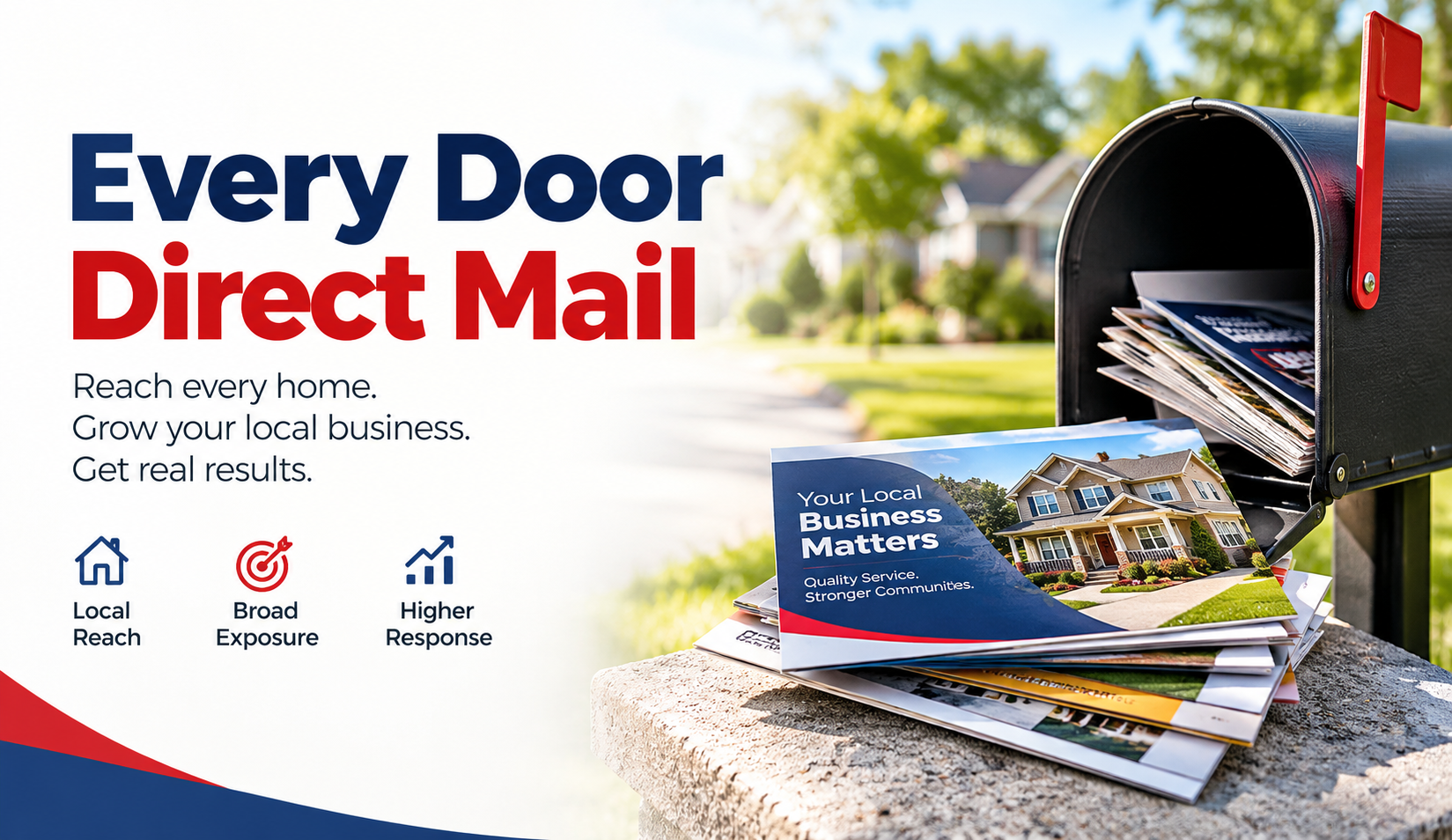
Local businesses often face the same marketing problem: they spend money on online advertising, generate website traffic, and still struggle to turn nearby residents into paying customers. Some people notice an advertisement but forget about it. Others see an offer several times before they feel ready to respond. Reaching potential customers once rarely gives a business enough opportunity to build familiarity.
We can address this challenge by connecting traditional mail campaigns with the digital channels customers already use. Every door direct mail helps businesses reach households across selected neighborhoods, while online advertising, search visibility, and email marketing create additional opportunities for customers to learn about an offer.
The real advantage comes from coordinating these channels rather than running separate campaigns with unrelated messages. A postcard can introduce a service, a landing page can answer important questions, and a follow-up advertisement can reinforce the same offer. When each channel supports the others, businesses create a more consistent customer experience.
How Every Door Direct Mail and Digital Marketing Work Together
Every Door Direct Mail (EDDM) allows businesses to distribute promotional mailpieces across selected USPS carrier routes without purchasing an individual mailing list. This approach suits businesses that serve customers within specific neighborhoods, including restaurants, cleaning companies, dental practices, home improvement contractors, and local retailers.
Digital marketing serves a different purpose. It allows businesses to communicate through search engines, social media, websites, and email. These platforms can support more detailed explanations, customer inquiries, appointment requests, and ongoing relationships.
Combining Physical Reach with Online Engagement
A printed postcard gives recipients something they can hold, examine, and keep for future reference. Unlike an online advertisement that disappears when someone scrolls past it, a mailpiece may remain on a kitchen counter or refrigerator until the household needs the advertised service.
Digital channels extend that initial contact. Someone who receives a postcard might search for the business name, read customer reviews, compare services, or visit its website before making a decision. We should make these steps easy by maintaining consistent information across print and online materials.
Creating a Consistent Customer Journey
A common marketing mistake involves promoting one offer on a postcard and displaying an entirely different message on the business website. Customers then have to search for the original promotion, which introduces unnecessary confusion and can discourage inquiries.
We recommend coordinating the headline, offer details, visual identity, and call to action across both channels. Customers should immediately recognize the promotion when they move from a printed mailpiece to the corresponding website page.
Choosing the Right Neighborhoods for an Integrated Marketing Campaign
The success of a local campaign depends heavily on where businesses concentrate their marketing efforts. A company may have an attractive postcard and a useful offer, but neither will accomplish much if the campaign reaches households outside its practical service area.
Before designing advertisements, we need to identify neighborhoods with a reasonable connection to the business. Location, household characteristics, travel distance, and service availability all influence which areas deserve attention.
Use USPS Carrier Routes to Plan Local Coverage
EDDM provides route-level delivery information that businesses can use when selecting neighborhoods. The USPS mapping tool also offers demographic information, such as household income, age, and household size, to support planning. These figures describe broad areas rather than identifying individual customers.
We recommend reviewing EDDM route selection before committing to printing quantities. Current delivery counts, residential coverage, and route boundaries matter because even small planning errors can create unnecessary costs. Businesses should verify the latest information before approving a mailing.
Align Digital Advertising with the Same Service Area
Once a business identifies its preferred postal routes, it can establish corresponding geographic areas for digital advertising. A neighborhood restaurant might target surrounding communities, while a home services company may focus on locations its technicians can reach efficiently.
Digital advertising platforms do not necessarily follow USPS carrier route boundaries. We therefore need to compare the available location settings carefully rather than assume that a ZIP Code or radius will match the selected mailing routes exactly.
Designing EDDM Postcards That Encourage Online Responses
A postcard should communicate its purpose without requiring customers to read several paragraphs. When businesses attempt to include every service, discount, testimonial, and contact detail, the design becomes difficult to scan and the main message loses its impact.
We find it more useful to give the advertisement one clear objective. That objective might involve booking a consultation, requesting an estimate, visiting a local store, or exploring a seasonal promotion.
Keep the Headline and Offer Easy to Understand
The most useful headlines explain a relevant benefit or introduce a specific service. A roofing contractor might highlight a roof inspection offer, while a restaurant could introduce a new lunch menu to nearby residents.
We should place the headline where readers can notice it immediately, supported by a relevant image and a short explanation. The offer must clearly communicate what customers receive, whether conditions apply, and when the promotion expires.
Add QR Codes and Clear Website Addresses
QR codes create a convenient connection between print advertising and online content. Customers can scan a code to access a service page, appointment form, digital menu, or promotion without manually entering a long website address.
However, we should never rely exclusively on a QR code. Some recipients prefer typing a website address or calling directly. A short, readable URL and a visible phone number give customers alternative ways to respond.
We also need to test QR codes on actual printed proofs. Insufficient contrast, poor positioning, and small code dimensions can interfere with scanning. Testing under ordinary lighting helps identify problems before production.
Match Print Design with Digital Branding
Consistent branding helps customers recognize the business across different channels. The postcard, landing page, and social media advertisements should share recognizable colors, typography, imagery, and messaging.
We do not need to reproduce the exact postcard layout online. Instead, we should preserve the same central offer and visual identity while adapting the design to each format. Mobile screens require different spacing and text arrangements from printed postcards.
Connecting Every Door Direct Mail with Social Media Advertising
Social media advertising can support an EDDM campaign by providing additional opportunities for local audiences to notice the business. This combination works particularly well when customers need time to consider a purchase or compare service providers.
However, the goal should not involve showing advertisements as frequently as possible. We need to maintain useful messaging, reasonable advertising frequency, and a clear connection to the original mail campaign.
Coordinate Social Media Campaigns with Mailing Dates
A business can introduce a promotion through social media shortly before its mailpieces begin reaching neighborhoods. Once USPS begins delivery, the company can continue promoting the same service to the relevant geographic audience.
Because postal delivery timing may vary, we recommend planning a campaign window rather than scheduling every online advertisement around one exact delivery date. This gives customers a better chance of encountering consistent messaging during the promotion.
Use Facebook and Instagram for Local Awareness
Facebook and Instagram offer geographic advertising options that may help local businesses reach people within their service areas. Restaurants can highlight menu items, home improvement companies can show completed projects, and retailers can introduce seasonal merchandise.
We recommend using content that answers common customer questions instead of simply repeating the postcard headline. An advertisement might explain the service process, demonstrate product quality, or clarify what customers can expect during an appointment.
Use Retargeting When Customers Visit Your Website
Retargeting can reconnect businesses with people who previously visited their websites, provided the business has the appropriate tracking technology, consent, and privacy practices in place. These advertisements might remind interested visitors about an offer or direct them toward additional information.
EDDM itself does not provide a list of individual recipients for digital retargeting. We can only build relevant website audiences from qualifying online activity, not assume that everyone who received a postcard can be identified or tracked.
Using Google Ads and Local SEO to Support Direct Mail
Many customers research a business online after seeing its name on a postcard. They may search for its location, opening hours, customer reviews, services, or contact information before deciding whether to respond.
This behavior makes search visibility an important part of an integrated campaign. A recognizable mailpiece can generate interest, but an incomplete website or inconsistent business listing may interrupt the customer's next step.
Prepare Your Google Business Profile
Businesses should check their Google Business Profile before distributing promotional materials. Accurate contact information, business hours, service categories, and location details help customers confirm that they have found the right company.
We also recommend reviewing recent customer questions and ensuring that website links lead to relevant pages. For service-area businesses, the profile should accurately reflect how and where the company serves its customers.
Coordinate Search Ads with Local Promotions
Google Search ads can reach people who actively search for services related to a campaign. A homeowner who receives a cleaning service postcard, for example, might later search for local carpet cleaning companies rather than visit the website directly.
Search advertising can help the business appear during that research process. We should select relevant keywords, review geographic targeting, and direct visitors to pages that match the advertisement rather than send every visitor to a general homepage.
Strengthen Organic Search Visibility
Local SEO provides another way to support mail campaigns without relying entirely on paid advertising. Businesses benefit from clear service pages, useful location information, accurate business listings, and content that answers common customer concerns.
We recommend reviewing the website from a first-time visitor's perspective. Customers should understand what the business offers, where it operates, and how to contact the team without navigating through unnecessary pages.
Building Landing Pages That Convert EDDM Traffic into Leads
A campaign landing page should continue the conversation that the postcard started. When customers scan a QR code or enter a promotional URL, they expect to find the same service or offer that attracted their attention.
Sending everyone to a homepage can force visitors to search through unrelated information. A dedicated landing page creates a more direct path between the advertisement and the action the business wants customers to take.
Keep the Landing Page Focused on One Offer
We recommend placing the primary offer near the top of the page, followed by a short explanation of the service, essential conditions, and a clear contact option. Supporting photographs, relevant customer reviews, and practical service details can help address hesitation.
For example, a dental clinic promoting a new-patient offer should explain what the appointment includes, who qualifies, and how to schedule it. Customers should not have to call simply to discover basic conditions that the advertisement could explain.
Design for Mobile Visitors
Many recipients will open the landing page on a smartphone after scanning the printed QR code. Small text, slow-loading pages, complicated navigation, and lengthy forms can discourage otherwise interested visitors.
We should test the complete process on mobile devices before printing. This includes scanning the code, loading the page, reading the offer, submitting a form, and checking whether confirmation messages work correctly.
Reduce Friction in Contact Forms
Businesses sometimes request too much information before establishing any relationship with a potential customer. Asking for unnecessary details can make a simple estimate request feel like an application process.
We recommend collecting only the information necessary for the next step. A name, relevant contact method, and short description of the requested service may provide enough information for an initial inquiry, depending on the business.
Integrating Email and SMS Marketing with Direct Mail Campaigns
Email and SMS can help businesses maintain contact after customers voluntarily share their information. These channels work particularly well for appointment reminders, requested estimates, service updates, and relevant follow-up messages.
EDDM does not provide recipient email addresses or telephone numbers. Businesses need to collect contact information through legitimate channels and follow applicable consent, marketing, and privacy requirements.
Build Email Follow-Ups Around Customer Interest
A customer who requests a quote may appreciate additional information about pricing, scheduling, or service preparation. A restaurant subscriber might prefer menu updates or occasional promotional announcements.
We recommend matching follow-up content to the customer's expressed interests. Sending the same generic message to every contact may reduce engagement and make the communication feel disconnected from the original inquiry.
Use SMS Carefully and Respect Customer Preferences
Text messages can be useful for time-sensitive information, but businesses should obtain appropriate consent before sending promotional SMS messages. They also need to provide applicable opt-out options and respect communication preferences.
We should avoid treating every submitted telephone number as permission to send ongoing marketing messages. Clear consent practices protect customer relationships and support a more trustworthy marketing program.
Measuring Results from Print and Digital Marketing
Businesses understandably want to know whether their campaign generated enough revenue to justify the investment. The challenge comes from customers moving between channels before making a purchase.
Someone may receive a postcard, visit the website through Google, and call several days later. Another person might see a social advertisement before receiving the mailpiece. These overlapping interactions make perfect attribution difficult.
Track Campaign Responses with Unique Identifiers
We recommend using practical tracking methods that correspond to the campaign's objectives. Unique promotional codes, dedicated landing page URLs, QR code links with appropriate analytics parameters, and campaign-specific call tracking can help identify responses.
A promotion code gives the business a straightforward way to connect certain purchases with a particular offer. However, customers may forget to mention the code, so these measurements should support broader reporting rather than serve as the only evidence of success.
Review Both Leads and Sales
Website visits and QR code scans can reveal customer interest, but they do not automatically translate into revenue. Businesses should examine how many visitors become inquiries, how many inquiries become customers, and how much each sale contributes after relevant costs.
We recommend recording the complete campaign expense, including design, printing, postage, digital advertising, and necessary landing page work. These figures create a more realistic view of campaign performance.
Compare Performance Across Neighborhoods
If a business distributes mailpieces across several areas, it can compare results by route group or geographic campaign segment. Separate promotional codes or landing page links can provide useful directional information.
Still, businesses should consider differences in delivery dates, audience size, and customer behavior before declaring one neighborhood more successful. Small response counts can produce misleading conclusions, especially during short campaigns.
Common Mistakes When Combining EDDM with Online Advertising
Combining marketing channels introduces more moving parts, and small inconsistencies can become expensive once a company prints thousands of postcards. We encourage businesses to review the full customer experience rather than approve print and digital materials separately.
The following problems deserve particular attention because they affect both campaign efficiency and customer trust.
Promoting Different Offers Across Channels
A postcard might promise a discount while the landing page displays the regular price. Even when the discrepancy results from an outdated web page, customers may question the promotion's credibility.
We recommend maintaining one approved offer document that records the exact terms, dates, limitations, and call to action. Everyone responsible for the printed material, website, and advertisements can then work from the same information.
Mailing Before the Website Is Ready
A business may rush to meet a distribution deadline without testing its website. Broken links, slow pages, outdated forms, or incorrect contact details can prevent interested customers from responding.
We should complete the landing page and tracking checks before approving the final print run. Once mailpieces enter the postal network, businesses cannot simply correct a printed URL or QR code.
Choosing an Audience That Is Too Broad
Sending promotional materials to every available route may seem attractive, but broader distribution also increases printing and postage expenses. An overly large campaign can consume the budget before the business identifies which neighborhoods provide the strongest opportunities.
We recommend starting with a manageable service area and expanding after reviewing results. This approach gives businesses room to adjust their offer, design, and targeting without committing the entire marketing budget at once.
Measuring Each Channel in Isolation
Print and digital marketing often influence the same customer journey. If businesses credit only the final website click, they may overlook the role of a postcard in introducing the company.
We recommend combining direct response data with customer inquiries, sales records, and relevant campaign comparisons. Asking new customers how they heard about the business can add useful context, although self-reported answers will not capture every interaction.
Creating a Practical EDDM and Digital Marketing Campaign Plan
A coordinated campaign does not require an unnecessarily complicated marketing system. Small businesses can begin with a defined neighborhood, one compelling offer, a practical landing page, and a limited number of supporting digital channels.
The most important step involves assigning each channel a clear role and making sure customers receive consistent information throughout the campaign.
Phase One: Define the Audience and Campaign Goal
Start with a measurable business objective, such as generating qualified estimate requests, encouraging first-time restaurant visits, or booking consultations. We should identify the neighborhoods most relevant to that objective before determining print quantities.
Next, review USPS routes, estimated mailing costs, and the available digital advertising budget. The selected audience must make sense for the service area and the business's capacity to handle additional inquiries.
Phase Two: Prepare the Creative Materials
Develop the postcard, landing page, and supporting advertisements around one approved offer. Use consistent imagery and clear language while adapting each design to its medium.
Before printing, we should verify the mailpiece specifications, promotional conditions, QR code functionality, contact details, and mobile landing page experience. A careful review at this stage can prevent avoidable campaign expenses.
Phase Three: Coordinate Distribution and Online Advertising
Plan the digital campaign around the expected USPS mailing window, allowing flexibility for delivery variations. Social media and search advertisements can reinforce the same message while the business monitors customer inquiries.
We should also prepare the team responsible for answering calls and responding to forms. Staff need to understand the promotion, its conditions, and the appropriate next steps so customers receive consistent information.
Phase Four: Analyze Results and Refine the Next Campaign
After the campaign, review leads, sales, promotional code usage, website engagement, and relevant customer feedback. Compare these outcomes with the total campaign cost and the original business objective.
We recommend changing one or two major variables during the next mailing rather than redesigning everything at once. Testing a different neighborhood, headline, or offer can help identify what contributes to stronger responses over time.
Frequently Asked Questions About EDDM and Digital Marketing
Common Questions from Local Business Owners
1. Can Small Businesses Combine EDDM with Digital Marketing on a Limited Budget?
Yes. Small businesses can begin with selected postal routes, a simple landing page, and a modest digital advertising campaign. USPS offers an EDDM Retail option for qualifying mailings, generally requiring at least 200 pieces and allowing up to 5,000 pieces per day per ZIP Code. We recommend confirming current USPS requirements and calculating the combined printing, postage, and advertising costs before launching.
2. Which Digital Marketing Channel Works Best with Every Door Direct Mail?
The most suitable channel depends on the business and the customer's buying process. Google Search advertising can support services that people actively research, while Facebook and Instagram may help restaurants, retailers, and other consumer-facing businesses build local awareness. We recommend choosing channels based on customer behavior instead of assuming one platform works best for every business.
3. How Can Businesses Track Customers Who Respond to an EDDM Postcard?
Businesses can use unique QR codes, dedicated landing pages, promotional codes, and campaign-specific telephone tracking. These methods help identify measurable responses, although they cannot capture every customer interaction. We recommend comparing tracking data with completed sales and customer inquiries to develop a more useful picture of campaign performance.
4. How Often Should a Business Run an EDDM and Digital Marketing Campaign?
Campaign frequency depends on the service, budget, seasonality, and customer purchasing habits. A restaurant may benefit from more frequent neighborhood promotions, while a home improvement company may prefer campaigns around seasonal demand. We recommend reviewing response quality and profitability after each mailing before setting a repeat schedule.
Conclusion: Building Stronger Local Marketing Through Print and Digital Channels
Every Door Direct Mail and digital marketing serve different purposes, but they can support the same business goal. Printed postcards introduce a company to nearby households, while websites, search visibility, social media, and follow-up communication help customers explore an offer and decide what to do next.
We have found that the planning process deserves as much attention as the creative design. Businesses need to select relevant neighborhoods, communicate one consistent message, prepare mobile-friendly landing pages, and measure meaningful outcomes. Clear coordination can prevent wasted spending and create a smoother experience for potential customers.
At MailProsUSA, we approach direct mail as part of a broader local marketing effort rather than an isolated distribution activity. Businesses considering their next campaign can begin by reviewing their target area, campaign objective, printing requirements, and online customer journey. A focused plan provides a practical foundation for making print and digital marketing work together.

 English
 Arabic
 Spanish
 Portuguese
 Deutsch
 Turkish
 Dutch
Dutch
 Italiano
 Russian
 Romaian
 Portuguese (Brazil)
 Greek
Greek