


A Practical Guide to Choosing Garage Door Insulation
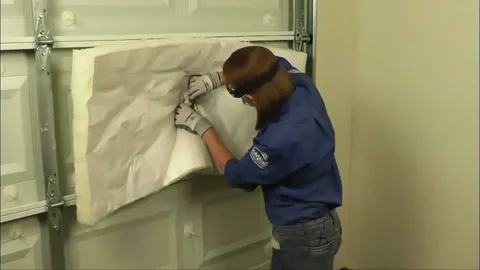
Learn how garage door insulation materials, R-values, weather seals, and installation costs can improve energy efficiency in the DFW area.
Garage door insulation can help control heat transfer, improve indoor comfort, and reduce the amount of hot air entering areas connected to a garage. In North Texas, where summer temperatures can rise significantly, an uninsulated garage door may allow substantial heat to build up inside the garage. This can affect nearby rooms and increase the workload on a home's cooling system.
Homeowners in Plano, Arlington, Fort Worth, and surrounding communities can improve thermal performance by selecting suitable insulation panels, sealing gaps around the door, and ensuring the door operates correctly. DFW Garage Door provides garage door insulation upgrades, weather seal replacements, and hardware adjustments to help property owners address these concerns. Understanding insulation materials, R-values, installation expenses, and door balance requirements makes it easier to choose an appropriate solution.
Understanding Garage Door Insulation Materials and Thermal Performance
The effectiveness of garage door insulation depends on the door's construction, the insulation material, and the quality of the installation. Before choosing a retrofit, homeowners should consider how much heat enters the garage, how frequently the door is used, and whether the garage shares walls with air-conditioned living spaces.
Polystyrene insulation is a common option for doors with hollow panel sections. These rigid foam inserts fit into compatible cavities and provide additional resistance to heat transfer without adding as much weight as some denser materials. They can be suitable for homeowners seeking a relatively straightforward improvement to an existing steel door.
Polyurethane insulation offers a different approach. This foam fills the internal spaces of compatible door panels, creating a more solid structure. Depending on the door's design, it can provide stronger thermal resistance, improve panel rigidity, and help reduce outside noise. The overall R-value varies by product and construction, so homeowners should check the manufacturer's specifications rather than relying on a single rating for every insulated door.
Reflective foil insulation is another option, particularly where radiant heat from direct sunlight is a concern. Its performance depends on the product's design and installation, including whether the required reflective air space is present. It should not automatically be considered equivalent to a thick foam insulation system.
Insulation ratings are useful when comparing materials. A higher R-value generally indicates greater resistance to heat flow, but the rating of an individual material is not necessarily the same as the performance of the complete garage door. Seams, metal framing, air leaks, and the condition of surrounding weather seals can all affect the final result.
The type of door also matters. Some existing doors can accommodate retrofit insulation, while others may benefit more from replacing the entire door with a factory-insulated model. Comparing material performance with the available Garage Door Overhead Services In DFW can help homeowners identify an upgrade that suits their door's construction and intended use.
How Professional Garage Door Insulation Is Installed
A successful insulation project involves more than cutting foam to fit inside a door. The installation must preserve panel movement, maintain clearance, and ensure that the door remains properly balanced throughout its operating cycle.
The process usually begins with an inspection of the door's condition. Technicians examine the panel sections, measure the available space, check the tracks and rollers, and identify damaged weather seals. These checks help determine whether the existing door can accommodate insulation safely.
Next, the installer selects a compatible material and measures each panel individually. Rigid foam inserts or suitable insulation kits are cut to match the panel dimensions. Depending on the system, they may be held in position by retaining clips, fitted channels, or manufacturer-approved adhesive. Correct fitting helps prevent loose panels from interfering with the door's movement.
Additional insulation can change the door's total weight, making a balance assessment an important part of the job. A technician checks whether the springs and lifting system can manage the updated load. If adjustments or component replacements are necessary, they should be completed using the appropriate tools and procedures. Incorrect spring handling can cause serious injury.
Weather sealing is another essential step. Worn rubber along the bottom edge can leave a gap between the door and the floor, while damaged side or top seals can allow outside air and dust to enter. Replacing these components helps limit drafts and complements the insulation installed in the panels.
The final inspection checks the door's travel, clearances, balance, and automatic opener operation. The safety-reversal system should also be tested according to the opener manufacturer's instructions. These checks help confirm that the insulation upgrade has not compromised reliable operation.
Garage Door Insulation Costs and Energy Savings in DFW
The cost of improving a garage door's thermal performance varies with the door's size, the material selected, its existing condition, and the amount of additional work required. A simple retrofit may cost considerably less than replacing the complete door with a factory-insulated model.
Basic reflective foil or polystyrene insulation kits for a standard double-car garage door may fall within an estimated range of $200 to $450, including installation in some cases. More extensive polyurethane retrofits or factory-insulated steel door upgrades may range from approximately $600 to $1,400. Replacing perimeter weather stripping, fitting a new bottom seal, and making related adjustments may add another $150 to $300, depending on the scope of work.
These figures are general estimates, not guaranteed local prices. Actual quotes can vary, and homeowners should confirm whether materials, labor, disposal, repairs, and warranty coverage are included. If the door needs new rollers, track repairs, or adjustments to its lifting system, the total cost may increase.
Energy savings depend on how the garage is used and how it connects to the rest of the house. An insulated door can reduce heat transfer, but it will not eliminate heat entering through an uninsulated roof, exterior walls, windows, or other openings. The greatest comfort improvement may occur when the garage shares walls with living areas or when a room above it is affected by garage temperatures.
Sealing air gaps can be just as important as choosing insulation with a higher R-value. A well-insulated panel system may deliver disappointing results if hot air continues to enter around the edges of the door. Addressing insulation and weather sealing together can create a more complete thermal upgrade.
Before approving work, ask for a written estimate that separates material costs, installation labor, weather seal replacements, hardware adjustments, and any additional repairs. Clearing stored items away from the door's interior before the appointment can also help technicians inspect and work on the panels efficiently.
Choosing a Garage Door Insulation Specialist in DFW
Choosing an experienced installer helps homeowners avoid problems that can occur when insulation is added without considering the complete door system. A suitable service provider should understand different panel designs, insulation options, weather sealing methods, and the mechanical requirements of overhead doors.
Ask whether the proposed insulation is compatible with the existing door and request the product's R-value documentation. It is also worth confirming whether the quote includes a door balance check, inspection of the lifting hardware, and testing of the automatic opener after installation.
Insurance coverage, applicable local registration requirements, written estimates, and clear warranty terms are useful points to verify before hiring a contractor. Homeowners should also be cautious about installers who add substantial weight to a door without assessing its springs and lifting mechanism. A door that becomes unbalanced may strain the opener and create a safety hazard.
Local conditions should influence material selection. North Texas garages can experience intense summer heat, while humidity and temperature changes may affect the surrounding components. An installer familiar with the DFW area can assess the door's exposure, condition, and intended use before recommending an upgrade.
Fire safety is another consideration, especially for garages attached to homes. Insulation materials, interior coverings, and modifications near walls or ceilings should comply with the requirements applicable to the property. Requirements can differ according to the building design and local code, so homeowners should confirm the relevant standards rather than assuming that every insulation product is suitable for every attached garage.
A thorough inspection and a clear explanation of the recommended work make it easier to compare contractors based on safety, material quality, and the expected performance of the finished installation.
Conclusion
Garage door insulation can help reduce heat transfer, improve garage comfort, and limit the effect of extreme outdoor temperatures on adjoining living spaces. The right choice depends on the existing door, the insulation's R-value, the quality of the weather seals, and the cost of installation. For homeowners comparing Garage Door Insulation Services in DFW, a professional assessment can clarify which materials and repairs are appropriate. Contact DFW Garage Door to discuss available insulation options, door balance checks, and weather sealing improvements for your property.
FAQs
How much do Garage Door Insulation Services in DFW cost?
Basic retrofit insulation for a standard double-car door may cost around $200 to $450, while more extensive upgrades can range from $600 to $1,400. Final pricing depends on materials, door dimensions, installation labor, and any necessary repairs.
Can garage door insulation reduce summer heat in Dallas and Fort Worth?
Yes, insulation can slow heat transfer through the garage door and help reduce heat build-up. The results also depend on roof insulation, wall construction, ventilation, air gaps, and whether the garage shares walls with cooled rooms.
Which garage door insulation material has the highest R-value?
Polyurethane-filled doors often provide stronger thermal resistance than basic reflective foil or some polystyrene retrofit kits. However, the actual R-value depends on the specific product and complete door construction, so compare manufacturer specifications before choosing.
Will insulation make my existing garage door too heavy?
Insulation can add weight, particularly when dense materials are used. A qualified technician should check the springs, lifting system, and door balance after installation to help ensure safe operation and prevent unnecessary strain on the opener.
Are there building code requirements for insulating an attached garage in DFW?
Requirements depend on the property's design and the applicable local building and fire-safety codes. Before installing insulation or changing interior coverings, confirm the relevant requirements for your home and choose materials suitable for the intended location.

 English
 Arabic
 French
 Spanish
 Portuguese
 Deutsch
 Turkish
 Dutch
 Italiano
 Russian
 Romaian
 Greek