


Expanding Your Home: A Guide to Functional Addition Designs
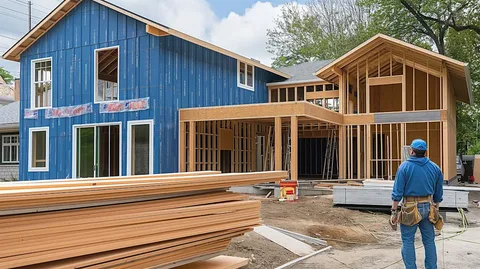
Learn how to compare home addition contractors, foundation requirements, construction costs, and permits before expanding your home in Plano, TX.
Adding space to your home can make daily living more comfortable, accommodate a growing family, and help you stay in a neighborhood you enjoy. Whether you need an extra bedroom, a larger kitchen, a sunroom, or an additional floor, successful planning depends on selecting the right contractor and understanding the structural work involved.
In Plano and the surrounding Collin County area, home expansions require careful attention to foundation conditions, architectural design, drainage, insulation, and local building requirements. UHS Remodeling provides home addition planning and construction services, helping homeowners coordinate the different stages of residential expansion. Before committing to a project, compare contractor experience, proposed designs, construction budgets, and permit responsibilities to determine which team is best equipped to handle your plans.
Comparing Home Addition Designs and Structural Options in Plano
The best addition design depends on the available property space, household requirements, zoning restrictions, and overall budget. Reviewing these factors early helps homeowners choose a layout that improves functionality without creating unnecessary construction complications.
A ground-floor room extension can increase the size of an existing kitchen, dining room, or family room. This option may be suitable when the property has enough usable yard space and the proposed structure meets applicable setback and lot coverage requirements. The project may involve extending the foundation, moving exterior walls, and connecting the new roofline to the existing house.
A primary suite addition offers another way to improve a home's layout. These projects can include a bedroom, private bathroom, and walk-in closet, making them useful for homeowners who need additional privacy or space for changing family arrangements. Plumbing locations, bathroom ventilation, and access to existing utility systems can influence both the design and final construction cost.
Building upward is an alternative when expanding into the backyard is impractical. A second-story addition can create substantial new living space without extending the home's footprint. However, the existing foundation, supporting walls, floor framing, and roof structure must be assessed to determine whether they can safely accommodate the added load. Some homes require significant reinforcement before this type of expansion can proceed.
Costs vary considerably according to the size and complexity of the project. As broad planning estimates, a single-room addition of approximately 200 square feet may cost $45,000 to $85,000. A larger primary suite with a bathroom and walk-in closet may range from $90,000 to $175,000, while a second-story expansion can cost $180,000 to $350,000 or more. These figures are estimates rather than guaranteed local quotes, and actual costs depend on site conditions, design specifications, and finish selections.
Comparing these possibilities with experienced Contractors For Home Additions in Plano helps homeowners identify a design that meets their space requirements while accounting for structural limitations and long-term maintenance.
Understanding the Home Addition Construction Process
A well-managed construction project begins with planning and technical assessments before excavation or demolition starts. The contractor should review the existing home, discuss the intended layout, and coordinate architectural drawings with the structural engineering requirements.
Foundation planning is particularly important in North Texas, where expansive clay soils can change volume as moisture levels fluctuate. Depending on the property's soil conditions and engineering recommendations, the new structure may require a reinforced concrete slab, drilled piers, or another suitable foundation system. The correct design should be determined by qualified professionals rather than selected solely on the basis of cost.
Once the plans and required approvals are in place, construction can begin. The site is prepared, excavation is completed where necessary, and the foundation is installed according to the approved design. Contractors then build the structural framing, including exterior walls, floor supports, and roof components. Connecting these elements correctly helps the addition function as part of the existing home.
The next stage involves installing the building envelope and essential services. Roofing, exterior sheathing, weather-resistant barriers, windows, and exterior doors help protect the new space from the elements. Electricians, plumbers, and HVAC professionals then complete the required rough-in work before walls are closed.
Insulation and air sealing are important considerations for maintaining indoor comfort during Plano's hot summers and cooler winter periods. The contractor should select materials that meet applicable energy requirements and coordinate the new systems with the home's existing heating and cooling equipment.
Interior work follows after the necessary inspections. Depending on the project, this may include drywall, flooring, cabinets, paint, lighting, plumbing fixtures, and trim. Exterior brick, siding, and roofing materials can also be selected to complement the original house.
Throughout construction, the contractor should coordinate required inspections and address any issues identified by inspectors. A final walkthrough allows the homeowner to review workmanship, confirm that agreed items have been completed, and obtain relevant warranties and project documentation.
Factors That Affect Home Addition Costs in Plano
The total cost of an addition depends on more than its square footage. Foundation requirements, structural changes, utility connections, roofing details, and interior finishes can all influence the final budget.
Foundation work is one major consideration. Properties requiring deeper excavation, engineered piers, drainage improvements, or additional structural reinforcement may involve higher labor and material expenses. Soil conditions and the relationship between the new foundation and the existing structure should be assessed before a final construction price is established.
Mechanical work can also increase project costs. Adding a bathroom may require new water supply lines, drainage connections, and ventilation. A new bedroom or living area may need additional electrical circuits, lighting, outlets, and HVAC capacity. If the current equipment cannot adequately serve the expanded space, upgrades may be necessary.
Exterior design choices influence the budget as well. Matching existing brickwork, creating vaulted ceilings, adding skylights, or incorporating custom rooflines can require specialized materials and skilled labor. Simpler finishes and a straightforward layout may help control costs without sacrificing essential functionality.
Planning decisions made before construction can prevent expensive changes later. Revising room dimensions, moving plumbing locations, or changing structural features after work has begun may delay the schedule and increase expenses. Homeowners should finalize major design decisions and confirm engineering requirements before approving material orders.
Ask each contractor for a written proposal that identifies the scope of work, material allowances, labor, foundation expenses, subcontractor responsibilities, permit fees, and payment schedule. It is also sensible to discuss how unforeseen site conditions will be handled and maintain a contingency budget for unexpected expenses.
Comparing detailed proposals rather than headline prices provides a clearer picture of the value each contractor offers and reduces the risk of misunderstandings during construction.
How to Select a Reliable Home Additions Contractor in Plano
Choosing a contractor requires evaluating experience, communication, project management, and the ability to coordinate specialized trades. A company that has completed similar residential additions is more likely to understand the challenges involved in connecting new construction to an existing home.
Start by asking for examples of comparable projects and references from previous clients. Look for evidence of organized planning, consistent workmanship, and successful coordination between the design, engineering, and construction stages. Ask how the contractor handles scheduling, material procurement, inspections, and communication when unexpected problems arise.
Verify applicable licensing or registration requirements, insurance coverage, and the qualifications of any subcontractors who will perform regulated work. Confirm who is responsible for obtaining permits and scheduling inspections. A professional contractor should be able to explain these responsibilities clearly and provide the relevant documentation.
Plano homeowners must also consider municipal requirements before changing their property's footprint. Depending on the design, an addition may require building permits, architectural plan review, zoning checks, and inspections at different construction stages. Setback restrictions, lot coverage limits, easements, and other property-specific conditions can affect whether a proposed design is allowed.
The contract deserves close attention before signing. It should describe the approved plans, construction materials, estimated timeline, payment terms, warranty coverage, and process for authorizing changes. Avoid relying solely on verbal promises or accepting a proposal that leaves major parts of the project undefined.
Finally, assess the contractor's willingness to explain technical decisions. A reliable professional should be able to discuss foundation recommendations, structural connections, energy efficiency, and cost alternatives in understandable terms. Clear answers make it easier to compare options and establish realistic expectations before work begins.
Conclusion
Choosing the right contractor is essential for creating a home addition that fits your lifestyle, complements the existing structure, and meets applicable building requirements. Comparing designs, foundation solutions, construction estimates, and contractor credentials can help you plan with greater confidence. Homeowners exploring Home Additions Contractors in Plano can contact UHS Remodeling to discuss their space requirements, review potential design options, and arrange a consultation for their residential expansion.
FAQs
How much do Home Additions Contractors in Plano charge per square foot?
Home addition costs can vary widely according to the room type, foundation design, utility connections, and finish quality. Obtain itemized local estimates based on your plans and property conditions instead of relying on a general price per square foot.
Do I need a building permit for a home addition in Plano, TX?
Many structural home additions require permits and plan reviews, along with inspections during construction. Confirm the requirements for your specific project with the City of Plano before beginning excavation or structural work.
How long does it take to build a home addition?
The timeline depends on the size of the addition, design complexity, permitting, material availability, and site conditions. Planning and approvals occur before construction, so ask the contractor for a schedule that covers both preparation and on-site work.
Can my existing foundation support a second-story addition?
A structural engineer should assess the foundation, supporting walls, and framing before a second floor is designed. Reinforcement may be necessary, but the appropriate solution depends on the home's existing construction and engineering evaluation.
How can a contractor match a new addition to my existing home?
Contractors can coordinate brick, siding, roofing, windows, trim, and exterior colors to create a consistent appearance. Matching rooflines and architectural details during the design stage helps the new space blend naturally with the original house.

 English
 Arabic
 French
 Spanish
 Portuguese
 Deutsch
 Turkish
 Italiano
 Russian
 Romaian
 Portuguese (Brazil)
 Greek