


How to Identify Faulty Garage Door Sensors
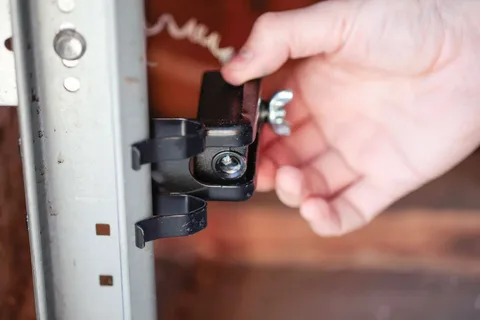
Learn how long garage door sensor repairs take, what affects repair costs, and when alignment, wiring repairs, or sensor replacement may be needed in Houston, TX.
Garage door safety sensors help prevent a closing door from striking people, pets, or objects in its path. When these sensors become misaligned, develop wiring problems, or stop communicating properly with the opener, the door may refuse to close or reverse unexpectedly. Identifying the cause early can help restore normal operation and reduce potential safety risks.
Homeowners in The Heights, River Oaks, Clear Lake, and other Houston neighborhoods may encounter sensor problems because of everyday vibrations, dirt accumulation, damaged wiring, or moisture exposure. Wefix Garage door provides sensor alignment, wiring repairs, replacement services, and safety testing to help homeowners resolve these issues. Understanding the repair process and the factors that affect service time makes it easier to plan the work and compare repair estimates.
Understanding Garage Door Sensors and Available Repair Options in Houston
The time required to repair a garage door sensor depends primarily on the underlying fault. A sensor that has shifted slightly out of position may need only a small adjustment, while damaged wiring or a failed electronic component can require more extensive troubleshooting.
Most modern automatic garage door openers use a pair of photoelectric safety sensors positioned near the bottom of the door opening. One unit transmits an infrared beam, and the other receives it. If an object interrupts the beam while the door is closing, the opener's safety system should respond according to its operating design.
Alignment problems are among the simpler issues to resolve. Door vibrations, accidental impacts, or loose mounting brackets can move a sensor away from its correct position. A technician can inspect the indicator lights, adjust the brackets, and verify that both units communicate reliably. Cleaning dusty or dirty lenses may also help restore the signal.
Wiring faults generally require additional diagnostic work. Low-voltage wires can become loose, damaged, or corroded, particularly around exposed connections. A technician may need to trace the circuit, identify the affected section, repair the connection, or install replacement wiring compatible with the opener.
Sensor replacement becomes necessary when a unit has failed internally or sustained damage that cannot be repaired reliably. The replacement sensors must be compatible with the opener, and the completed installation needs to be tested before normal operation resumes.
As a general guide, straightforward cleaning and alignment may take approximately 15 to 30 minutes. Wiring repairs or replacement of a sensor pair may take around 30 to 60 minutes, while difficult electrical faults can require longer. These are planning estimates rather than guaranteed appointment times; the actual duration depends on accessibility, equipment compatibility, and the condition of the system.
Comparing these options with professional Garage Door Maintenance Houston TX can help homeowners determine whether a simple adjustment, a wiring repair, or new safety sensors are appropriate for their garage door.
How Technicians Diagnose and Repair Garage Door Sensor Problems
A proper repair begins with identifying the cause instead of immediately replacing parts. Technicians generally inspect both sensor units, their mounting brackets, the wiring connections, and the opener's response to determine where the fault originates.
The first step is a visual assessment. The technician checks whether the lenses are dirty, the brackets are bent, or an object is obstructing the beam. Indicator lights on the sensor units can provide useful clues, although their exact meanings vary by opener model.
Next, the sensors are cleaned and aligned where necessary. Both units must face each other correctly and remain securely positioned. The technician checks that the beam is uninterrupted and that the indicator lights show the expected operating status.
If the problem continues, the wiring needs to be examined. Loose terminals, damaged insulation, pinched wires, and corrosion can interrupt communication between the sensors and the opener. Depending on the fault, the technician may repair a connection or replace the affected wire section. Damaged wiring should not simply be bypassed to make the door close.
If testing indicates that a sensor has failed, a compatible replacement can be installed. The technician then secures the mounting brackets, arranges the wiring safely, and confirms that the new components communicate with the opener.
The final stage involves checking the complete safety system. The technician verifies the sensor alignment and follows the opener manufacturer's prescribed procedure for testing the safety reversal functions. The door should not be returned to normal use until the required safety checks have been completed successfully.
A straightforward alignment issue may be resolved during a single short visit. More complicated faults can take longer if the technician must trace concealed wiring, identify an opener compatibility issue, or investigate a problem with the opener's control electronics.
What Affects Garage Door Sensor Repair Costs in Houston?
Repair costs depend on the type of fault, the parts required, labor time, and the condition of the existing opener system. Cleaning and repositioning a working sensor typically costs less than replacing a damaged pair or diagnosing an electrical problem.
Basic sensor cleaning and bracket realignment may cost approximately $75 to $125 during a service visit. Replacing a pair of safety sensors, including installation and testing, may range from $120 to $220. These figures are general estimates rather than verified prices for every Houston service provider, and the actual quote may differ according to the opener brand and the work involved.
Wiring repairs can increase labor costs when damaged sections are difficult to reach or run through finished walls. Technicians may need to install new low-voltage wire, secure the cable properly, and retest the complete circuit. Problems involving the opener's control board can require a separate diagnosis and may cost more than replacing the sensors alone.
Environmental conditions can also contribute to recurring problems. Houston's humidity and storms may expose vulnerable connections to moisture, while lawn equipment, stored items, or accidental impacts can disturb sensor brackets. Direct sunlight can interfere with some sensor installations under certain conditions, so the technician should determine whether sunlight is actually responsible before recommending a modification.
Homeowners can make service visits more efficient by clearing boxes, tools, and other belongings away from the bottom door tracks. It is also helpful to provide the opener's make and model when requesting service.
Before approving the repair, ask for an estimate that separates the service call, replacement parts, labor, and any additional electrical or opener repairs. Confirm whether safety testing and warranty coverage are included. Clear pricing makes it easier to compare quotes and understand why one repair may cost more than another.
Choosing a Garage Door Sensor Repair Specialist in Houston
Selecting a qualified repair provider is important because photoelectric sensors are part of the garage door's safety system. A suitable technician should understand different opener models, low-voltage wiring, sensor positioning, and the correct procedures for testing automatic door safety features.
Ask whether the provider can diagnose the fault before recommending replacement parts. A dependable technician should explain whether the issue involves alignment, wiring, a damaged sensor, or another opener component. Replacing functioning equipment without establishing the cause may add unnecessary expense without resolving the underlying problem.
Experience with local conditions can also be useful. In Houston, exposed connections may be affected by moisture, and garages may experience vibration or accidental impacts that disturb mounting hardware. Correct installation, secure wiring, and appropriate sensor positioning can help reduce repeat problems.
Homeowners should confirm the company's applicable business credentials, insurance coverage, service terms, and warranty policy. Request a clear arrival estimate and ask whether the technician carries compatible replacement sensors for the existing opener.
Avoid providers who recommend disconnecting or bypassing the safety system as a permanent fix. These sensors are designed to help prevent entrapment and impact injuries. If the door will not close because the safety system detects a problem, keep the opening clear and arrange a proper diagnosis rather than defeating the protection.
After the repair, the technician should demonstrate that the sensors are correctly aligned and that the opener's required safety tests have passed. A clear explanation of the fault and the completed work gives homeowners a better understanding of how to maintain reliable operation.
Conclusion
Garage door sensor repairs can take as little as 15 to 30 minutes for straightforward cleaning and alignment, while wiring faults or sensor replacement may require 30 to 60 minutes or longer. The exact time depends on the opener model, the condition of the wiring, and whether additional faults are present. Comparing repair options and obtaining a clear estimate can help you plan the work confidently. For Garage Door Sensors Repair Houston TX, contact Wefix Garage door to discuss your sensor problem, arrange an inspection, and find an appropriate repair solution.
FAQs
How much does Garage Door Sensors Repair Houston TX usually cost?
Basic cleaning and alignment may cost around $75 to $125, while replacing a pair of sensors may range from $120 to $220, including installation. Actual prices depend on the opener model, wiring condition, and service provider.
Why does my garage door opener light blink when the door will not close?
Blinking lights can indicate misaligned sensors, an interrupted infrared beam, wiring problems, or another safety-system fault. Check for visible obstructions without touching electrical components, and consult the opener manual or a technician if the problem continues.
Can direct sunlight interfere with garage door safety sensors in Houston?
Yes, direct sunlight can interfere with some sensor receivers under certain conditions. A technician can determine whether sunlight is causing the problem and adjust the installation or use a manufacturer-compatible solution if necessary.
How high should garage door safety sensors be installed?
For many residential openers, safety sensors must be installed no more than six inches above the floor, consistent with applicable requirements and manufacturer instructions. Correct positioning helps the system detect obstructions near the bottom of the door opening.
Is it safe to bypass garage door sensors if they stop working?
No. Bypassing or disconnecting safety sensors removes an important protective feature and can create a serious injury risk. Arrange a proper repair and confirm that the opener's safety system works correctly before returning the door to normal use.

 English
 Arabic
 French
 Spanish
 Portuguese
 Deutsch
 Turkish
 Dutch
 Italiano
 Romaian
 Portuguese (Brazil)
 Greek