


Mountain Biking: How to Ride Trails with Confidence
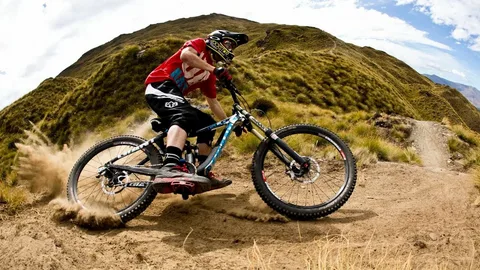
Learn how beginners can improve mountain biking skills through proper bike fitting, suspension setup, gear selection, braking techniques, and trail practice in Husum, Denmark.
Mountain biking is an enjoyable way to build fitness, develop coordination, and explore outdoor trails. For beginners, learning to ride confidently requires more than purchasing a suitable bicycle. Riders need to understand how to control their speed, maintain balance on uneven surfaces, select appropriate gears, and respond to changing trail conditions. Around Husum and the wider Copenhagen area, cyclists can develop these skills by gradually progressing from smooth paths to more challenging gravel routes and woodland trails.
The right equipment can make this learning process more comfortable. A correctly sized frame, dependable brakes, suitable tires, and an appropriate suspension setup help riders maintain control when encountering loose gravel, wet ground, or uneven terrain. Local weather conditions also make regular bicycle maintenance important, particularly when rain and road debris accumulate around the drivetrain. Alaska Cykler helps cyclists explore bicycle options, professional assembly, and fitting services suited to their riding requirements.
Beginners can improve faster by combining regular practice with sensible equipment choices. Understanding bicycle geometry, gear selection, braking methods, and basic maintenance provides a strong foundation for safer and more enjoyable mountain biking.
Choosing the Right Mountain Bike for Beginners in Husum
Selecting a suitable mountain bike begins with understanding where and how you intend to ride. Beginners who mainly use paved paths, compact gravel, and relatively smooth trails may find a hardtail mountain bike practical. This design features front suspension and a rigid rear frame, offering a straightforward setup that is generally easier to maintain.
Full-suspension bicycles include both front and rear suspension, helping absorb impacts on rougher terrain. They can provide additional comfort and traction when riding over roots, rocks, and uneven forest tracks. However, the extra components increase mechanical complexity, so beginners should consider whether their regular routes genuinely require rear suspension.
Frame material and geometry also influence the riding experience. Aluminum frames are widely used because they balance durability, weight, and affordability. A comfortable frame size helps riders maintain a natural position, reach the handlebars without excessive stretching, and control the bicycle confidently when starting or stopping.
Before purchasing a bike, take a test ride if possible. Check that the handlebars feel manageable, the saddle can be adjusted correctly, and the brakes are easy to reach. A suitable bicycle should feel stable and comfortable rather than forcing you to adapt to an awkward riding position.
Understanding Suspension, Tires, and Gear Ratios
The components fitted to a mountain bike affect how easily beginners can manage different surfaces. Understanding these features makes it easier to choose equipment that supports gradual skill development instead of paying for upgrades that may not be necessary.
Front suspension helps reduce the impact of bumps on the front wheel, while rear suspension can improve comfort and traction on rough trails. Suspension travel refers to how far the suspension can compress to absorb an impact. Bikes designed for smoother routes generally need less travel than models intended for demanding downhill terrain.
Tire width, tread pattern, and pressure are equally important. Knobby tires provide grip on loose surfaces, while tire pressure influences comfort, rolling resistance, and traction. Beginners should follow the tire manufacturer's recommendations and adjust pressure carefully according to rider weight, terrain, and tire design.
Gear ratios determine how difficult or easy it feels to pedal. Lower gears make climbing hills easier because the pedals require less force, although the rider must pedal more frequently. Higher gears are useful for maintaining speed on flatter sections, provided the rider can pedal comfortably without straining.
|
Bicycle Feature |
Main Purpose |
Beginner Benefit |
|
Hardtail Frame |
Front suspension with a rigid rear |
Simple design for gravel paths and easier trails |
|
Full-Suspension Setup |
Front and rear impact absorption |
Greater comfort on rough terrain |
|
Wide Knobby Tires |
Increased grip on loose surfaces |
Improved confidence on dirt and gravel |
|
Lower Gear Ratios |
Easier pedaling at low speeds |
Better control when climbing |
|
Hydraulic Disc Brakes |
Consistent braking through controlled pressure |
Reliable speed management when properly maintained |
|
Adjustable Saddle |
Allows a suitable riding position |
Better comfort and control |
When exploring Mountainbike Sport in Husum Denmark, beginners should prioritize a comfortable fit, dependable braking, suitable tires, and manageable gearing before focusing on advanced components.
Developing Essential Mountain Biking Techniques
Learning fundamental riding techniques helps beginners build confidence and respond to changing trail conditions. Start on a wide, relatively flat path where you can practice without worrying about steep slopes, sharp turns, or obstacles. Spend time maintaining a straight line, looking ahead, and keeping your hands relaxed on the handlebars.
Body positioning is important when riding over uneven ground. Keep your elbows slightly bent, maintain a balanced position over the bicycle, and avoid locking your arms when approaching bumps. Looking toward the route ahead rather than directly at the front wheel helps you anticipate changes in direction and choose a smoother line.
Braking requires practice because sudden stops can affect balance and traction. Apply both brakes progressively, adjusting pressure according to the surface and your speed. On loose gravel or wet ground, brake earlier and more gently because the tires may have less grip. Practicing controlled stops on level ground helps you understand how your bicycle responds.
Cornering also becomes easier with experience. Reduce speed before entering a turn, look toward the exit, and maintain a stable body position. Avoid making abrupt steering movements, particularly when the ground is slippery. As your confidence improves, introduce gentle slopes and more varied surfaces while maintaining a pace that allows you to stay in control.
Building a Practical Mountain Biking Practice Routine
Consistent practice is more effective than attempting difficult trails before developing basic control. Beginners can start with short rides several times a week, gradually increasing duration as fitness and confidence improve. Each session should have a specific purpose, such as practicing braking, improving balance, or becoming more comfortable with gear changes.
Begin with familiar paths and observe how your bicycle behaves on different surfaces. Compact gravel, damp leaves, uneven pavement, and soft dirt each affect traction differently. Practicing at a comfortable speed helps you recognize these changes without taking unnecessary risks.
Climbing practice should focus on selecting an easier gear before the slope becomes difficult. Maintain a steady pedaling rhythm and avoid sudden bursts of effort that could cause the rear wheel to lose traction. On descents, reduce speed before the slope begins, keep your movements controlled, and use both brakes smoothly.
Rest and recovery are also important, particularly for new riders who are building endurance. Wear a properly fitted helmet, carry water, and check the weather before leaving. If a trail becomes too challenging, walking the bicycle through a difficult section is a sensible decision rather than a sign of poor riding ability.
Maintaining Your Mountain Bike in Danish Weather
Regular maintenance helps preserve bicycle performance and reduces the likelihood of mechanical problems during a ride. Rain, moisture, and dirt can accumulate around the chain, cassette, brakes, and moving suspension components. Cleaning the bicycle after muddy rides helps prevent grit from accelerating wear.
The drivetrain deserves particular attention. Remove accumulated dirt from the chain and gears, dry the components when appropriate, and apply a bicycle-specific lubricant according to the manufacturer's instructions. Avoid applying lubricant to brake rotors or brake pads, as contamination can reduce braking performance.
Check tire condition and pressure before riding. Look for cuts, embedded debris, worn tread, and visible damage to the wheels. Test both brakes to confirm that they respond correctly, and check that the handlebars, saddle, and wheels are secure.
Suspension systems and hydraulic brakes may need professional inspection when their performance changes. Unusual noises, leaking fluid, reduced braking power, or suspension that no longer responds normally should be addressed before continuing demanding rides. A professional mechanic can also inspect drivetrain wear, adjust shifting, and identify problems that are difficult for beginners to diagnose.
Finding a Suitable Bicycle Shop and Professional Guidance
A knowledgeable bicycle shop can help beginners choose equipment that matches their experience, physical measurements, and preferred riding conditions. Professional fitting is particularly useful when you are unsure about frame size, saddle height, handlebar reach, or the correct riding position.
Before choosing a bicycle, explain where you expect to ride and how frequently you plan to use it. Ask the shop to demonstrate gear shifting, braking, and suspension adjustments. Understanding these controls before your first ride can prevent confusion when you encounter hills or uneven surfaces.
It is also useful to ask about routine servicing, replacement components, and warranty coverage. Beginners benefit from knowing how often the chain needs attention, which tire pressure range suits their setup, and when brake pads or other components should be inspected.
A reliable retailer should explain the differences between suitable models without pressuring you into buying unnecessary upgrades. The goal is to find a bicycle that supports your current abilities while leaving room to develop more advanced skills as your confidence increases.
Conclusion
Beginners can improve their mountain biking skills by choosing a comfortable bicycle, learning correct braking and gear techniques, practicing consistently, and maintaining their equipment. A suitable frame, appropriate suspension, dependable tires, and properly adjusted controls help create a stable foundation for exploring local trails.
When comparing Mountainbike Sport in Husum Denmark, focus on bicycle fit, component quality, intended terrain, and ongoing maintenance requirements. Alaska Cykler can help you explore suitable bicycle options and fitting services for your riding needs. With the right setup and a gradual approach to practice, new riders can build confidence, improve their control, and enjoy outdoor cycling more comfortably.
FAQs
How can beginners improve their mountain biking skills?
Beginners should practice balance, controlled braking, gear selection, and cornering on easy terrain before progressing to more difficult routes. Regular short rides, suitable protective equipment, and gradual skill development help build confidence and control.
Should beginners choose a hardtail or full-suspension mountain bike?
A hardtail is often suitable for beginners riding gravel paths and relatively smooth trails because it has a simpler design and generally requires less maintenance. Full-suspension bikes may be more comfortable on rough terrain with frequent roots, rocks, and larger obstacles.
How do gear ratios help when riding uphill?
Lower gears make climbing easier by reducing the force required for each pedal stroke. Shifting into an easier gear before reaching a steep section helps maintain a consistent pedaling rhythm and reduces unnecessary strain.
What should beginners check before every mountain bike ride?
Check tire pressure and condition, test both brakes, inspect the chain, and ensure that the wheels, handlebars, and saddle are secure. Carry a helmet, water, and basic repair supplies appropriate for the route.
How often should a mountain bike receive professional servicing?
Service frequency depends on how often you ride, the terrain, weather exposure, and the bicycle manufacturer's recommendations. Regular riders should inspect their bikes frequently and arrange professional maintenance when shifting becomes unreliable, brakes lose performance, or components show signs of wear.

 English
 Arabic
 French
 Spanish
 Portuguese
 Deutsch
 Turkish
 Dutch
 Russian
 Romaian
 Portuguese (Brazil)
 Greek