


How Does an Anti-Müllerian Hormone Test Work?
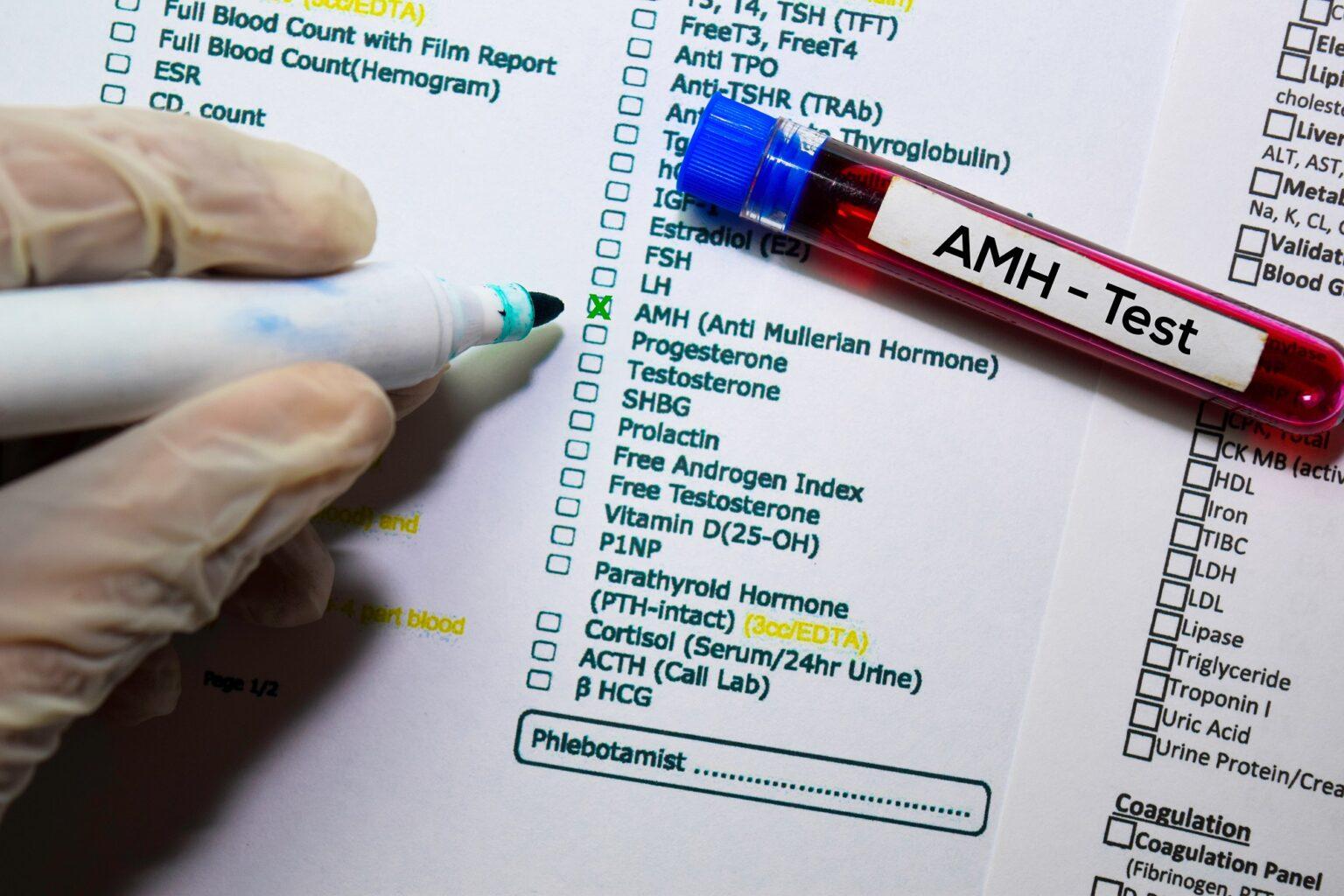
Understanding fertility can involve several blood tests, hormone assessments, and conversations with a healthcare professional. One test that often comes up during fertility evaluations is the Anti-Müllerian Hormone Test in Dubai. It provides useful information about ovarian reserve, which refers to the remaining pool of eggs in the ovaries.
But how does an AMH test actually work? What happens during the procedure, how are the results measured, and what can the numbers tell you about reproductive health?
This guide explains the science behind the AMH blood test, what to expect before and after testing, and how healthcare professionals use the results when assessing fertility.
The Science Behind the AMH Test: What Does It Measure?
Anti-Müllerian hormone is a protein hormone produced by granulosa cells surrounding small, developing follicles in the ovaries. These follicles contain immature eggs and develop as part of the natural reproductive cycle.
Because AMH production is associated with these small ovarian follicles, the hormone level in the bloodstream can provide an estimate of ovarian reserve.
In simple terms, an AMH blood test measures the amount of anti-Müllerian hormone circulating in your blood. Laboratories use specialized testing methods to detect and quantify the hormone.
The result helps clinicians estimate the number of small follicles present in the ovaries. It can also provide information about how the ovaries may respond to fertility medications during treatments such as in vitro fertilization (IVF).
However, AMH is only one part of the fertility picture. It does not directly measure egg quality, count every remaining egg, or determine whether someone can become pregnant naturally.
Inside the Laboratory: How an AMH Blood Test Works
The AMH testing process is relatively straightforward. Although the blood collection takes only a short time, the laboratory must perform several steps to produce a reliable result.
Step 1: A Blood Sample Is Collected
A healthcare professional draws a small amount of blood from a vein, usually in the arm. The procedure is similar to other routine blood tests.
The sample is collected in an appropriate laboratory tube and labeled with the necessary patient information. Most people experience only brief discomfort when the needle is inserted.
AMH testing generally does not require fasting. It can usually be performed on any day of the menstrual cycle because AMH levels tend to fluctuate less throughout the cycle than some other reproductive hormones. Nevertheless, follow any specific instructions provided by your healthcare professional or laboratory.
Step 2: The Laboratory Prepares the Sample
After collection, the blood sample is processed according to the laboratory's testing protocol. In many cases, the laboratory separates the serum or plasma, depending on the assay being used.
The prepared sample is then placed into a testing system designed to detect AMH.
Proper sample handling is important because laboratory procedures, storage conditions, and the testing method can affect the reliability of the measurement.
Step 3: Specialized Technology Detects AMH
Most modern laboratories use immunoassay-based methods to measure anti-Müllerian hormone. These techniques rely on antibodies that recognize and bind to the hormone in the sample.
Depending on the laboratory, the test may use an automated immunoassay platform or another validated measurement method.
The testing system generates a signal related to the amount of AMH present. The instrument uses this signal to calculate the hormone concentration.
Step 4: The Result Is Reported
Once the analysis is complete, the laboratory reports the AMH concentration. Results are commonly expressed in nanograms per milliliter (ng/mL) or picomoles per liter (pmol/L).
The report may include a laboratory reference interval, but the meaning of the result depends on factors such as age, the assay used, and the reason for testing.
Your healthcare professional interprets the number alongside your medical history, menstrual pattern, ultrasound findings, and other relevant fertility assessments.
Why Doctors Recommend an AMH Test?
An anti-Müllerian hormone test can be useful in several reproductive health situations. Its purpose depends on the individual's symptoms, age, medical history, and fertility goals.
Assessing Ovarian Reserve
One of the main reasons for ordering an AMH test is to estimate ovarian reserve. As a person ages, the number of remaining ovarian follicles generally declines.
AMH provides an indirect indication of the pool of small growing follicles. A lower result may suggest a reduced ovarian reserve, while a higher result may indicate a larger pool of these follicles.
Importantly, ovarian reserve is not the same as the ability to conceive. Someone with a lower AMH level may still become pregnant, while a person with a higher level may experience fertility difficulties for other reasons.
Planning IVF and Fertility Treatment
AMH testing is frequently used before in vitro fertilization (IVF) and other treatments involving ovarian stimulation.
The result can help fertility specialists estimate how strongly the ovaries may respond to fertility medications. This information supports decisions about medication doses, monitoring, and the risk of an excessive ovarian response.
AMH is particularly useful for predicting the number of eggs that may be collected during ovarian stimulation. However, it cannot guarantee how many eggs will be retrieved, whether they will be suitable for fertilization, or whether treatment will result in pregnancy.
Investigating Possible Polycystic Ovary Syndrome
AMH levels may be higher than expected in some people with polycystic ovary syndrome (PCOS), partly because of the increased number of small ovarian follicles often associated with the condition.
Nevertheless, an AMH test cannot diagnose PCOS on its own. Diagnosis requires a broader assessment of symptoms, medical history, hormone findings, and sometimes ultrasound results.
Understanding AMH Results Without Misinterpreting the Numbers:
AMH results are not interpreted using one universal cutoff that applies to everyone. Laboratories use different assays, and expected levels vary with age and clinical circumstances.
The following table illustrates how results may be interpreted in general terms.
| AMH result pattern | Possible interpretation | Important consideration |
|---|---|---|
| Lower than expected | May indicate reduced ovarian reserve | Does not mean pregnancy is impossible |
| Within an age-appropriate range | May suggest an ovarian reserve consistent with the relevant reference range | Does not guarantee fertility |
| Higher than expected | May indicate a larger pool of small follicles | Can occur with PCOS but is not diagnostic |
| Unexpected or inconsistent result | May require clinical review or additional testing | Consider the laboratory method and medical context |
There is no single AMH number that defines fertility for every person. A result should be interpreted using the laboratory's reference information and the patient's age and circumstances.
For example, an AMH value that is considered relatively reassuring in one age group may have a different meaning in another. Similarly, two laboratories may report slightly different values because they use different testing systems.
If a result seems unexpected, a clinician may review the original report, assess other reproductive hormones, or recommend an antral follicle count using pelvic ultrasound.
Does the AMH Test Require Special Preparation?
In most cases, preparation for an AMH blood test is minimal. However, a few practical considerations can help avoid confusion.
-
Fasting: Fasting is generally not necessary for AMH testing alone. If other blood tests are being performed at the same appointment, follow the laboratory's instructions.
-
Menstrual cycle timing: AMH can usually be measured on any day of the menstrual cycle, unlike some reproductive hormones that are assessed at specific times.
-
Medications and supplements: Tell your healthcare professional about all medications, hormonal contraceptives, and supplements you use. Some hormonal treatments may influence AMH measurements or their interpretation.
-
Medical history: Previous ovarian surgery, chemotherapy, certain medical conditions, and fertility treatments may be relevant when interpreting the result.
Do not stop prescribed medication before testing unless your clinician specifically advises you to do so.
How Long Does an AMH Test Take?
The blood collection itself generally takes only a few minutes. The total time needed to receive results depends on the laboratory, the testing platform, and whether the sample is processed on-site or sent elsewhere.
Some laboratories provide results within a short period, while others may require several days.
Once the result is available, a healthcare professional can explain what it means in the context of your fertility goals. The number alone is not sufficient to establish a diagnosis or determine the best treatment.
AMH Compared With Other Fertility Tests:
AMH is valuable because it provides information about ovarian reserve, but it is not a complete fertility assessment. Clinicians may combine it with other tests to build a clearer picture.
Antral follicle count (AFC): This ultrasound assessment counts small follicles visible in the ovaries. It provides information that complements AMH testing.
Follicle-stimulating hormone (FSH): FSH is sometimes measured early in the menstrual cycle to assess ovarian function. Its interpretation may depend on the timing of the test and accompanying estradiol levels.
Estradiol: This hormone may be measured alongside FSH because it can affect how FSH results are interpreted.
Ovulation assessment: Depending on the person's menstrual pattern and fertility concerns, clinicians may evaluate whether ovulation is occurring regularly.
Semen analysis and other investigations: When pregnancy is difficult to achieve, fertility assessment may also involve sperm testing, evaluation of the fallopian tubes, and other investigations based on individual circumstances.
These tests examine different aspects of reproductive health. No single blood test can establish the full likelihood of natural conception.
What an AMH Test Cannot Tell You?
Understanding the limitations of AMH testing is just as important as understanding its benefits.
First, AMH does not directly measure egg quality. Egg quality is strongly influenced by age and other biological factors, and it cannot be determined from an AMH value alone.
Second, the test cannot reliably predict whether someone will conceive naturally in a particular month or how long it will take to become pregnant.
Third, AMH cannot precisely determine when menopause will occur. Although ovarian reserve generally declines with age, individual patterns vary.
Finally, a low result does not automatically mean infertility, and a high result does not guarantee successful pregnancy or IVF treatment.
These limitations explain why fertility specialists interpret AMH alongside other clinical information rather than relying on the number in isolation.
Frequently Asked Questions About How the AMH Test Works:
Can I take an AMH test during my period?
Yes. AMH can generally be measured at any point in the menstrual cycle, including during menstruation. Follow your clinician's instructions if other tests are scheduled at the same time.
Is the AMH test painful?
The test involves a routine blood draw. You may feel a brief needle prick, and mild bruising or tenderness can occasionally occur afterward.
Can AMH levels change over time?
Yes. AMH levels generally decline with age, although individual results can vary. Hormonal treatments, medical conditions, laboratory methods, and other factors may also influence measurements or their interpretation.
Does low AMH mean I cannot get pregnant?
No. Low AMH may indicate reduced ovarian reserve, but it does not establish that natural conception is impossible. Age, ovulation, fallopian tube function, sperm health, and other factors also influence fertility.
Should everyone have an AMH test?
Not necessarily. The test can be useful for people undergoing fertility evaluation, considering fertility preservation, or preparing for certain reproductive treatments. Whether it is appropriate depends on personal circumstances and the reason for testing.
The Bottom Line: Use AMH as One Piece of the Fertility Puzzle
An anti-Müllerian hormone Lab tests works by measuring AMH in a blood sample using specialized laboratory technology. Because this hormone is produced by cells associated with small developing ovarian follicles, its concentration can help clinicians estimate ovarian reserve and anticipate responses to fertility treatment.
The procedure is usually quick, requires little preparation, and can generally be performed without regard to the menstrual cycle day. However, the result must be interpreted carefully.
AMH is a useful tool for understanding ovarian reserve, not a definitive test of fertility. Whether your result is low, within the expected range, or high, a healthcare professional can explain its significance and determine whether additional testing or treatment is appropriate.

 Arabic
 French
 Spanish
 Portuguese
 Deutsch
 Turkish
 Dutch
 Italiano
 Russian
 Romaian
 Portuguese (Brazil)
 Greek