


The Lasting Influence of Classic Western Knife Designs
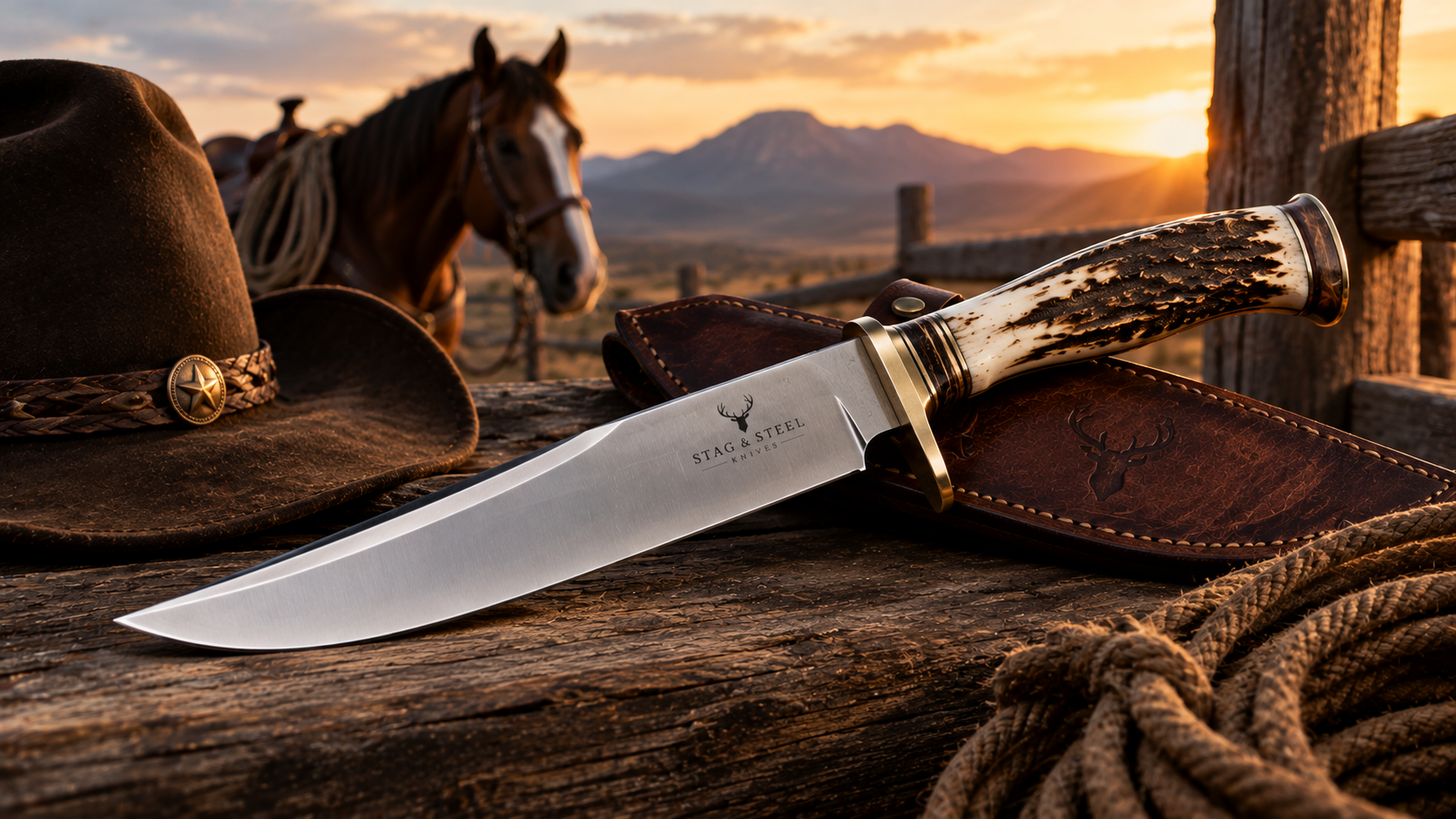
Classic Western knife designs remain recognizable because they reflect a rich history of craftsmanship, regional traditions, and practical problem-solving. Inspired by life in the American West, these designs are often associated with ranching communities, outdoor work, and the cultural imagery of the frontier. Their distinctive shapes and traditional materials continue to interest collectors, historians, and people who appreciate carefully made objects.
Although modern manufacturing has changed how knives are produced, many traditional design elements remain popular. Natural handle materials, decorative metal fittings, and carefully balanced proportions can give a finished piece a strong connection to earlier styles.
Understanding the background of Western knife design reveals how historical needs influenced appearance and how those designs developed into collectible objects.
The Historical Background of Western Knife Designs
During the nineteenth century, the American West experienced significant changes in settlement, transportation, trade, and agriculture. Knives were among the many tools used by people working in these environments. Their everyday needs influenced the styles and materials available to them.
However, Western knife design was never limited to a single pattern. Different communities relied on different tools, and knives were influenced by regional manufacturing traditions, imported products, and the skills of individual makers.
As trade expanded, more materials and designs became available. Local craftspeople adapted existing ideas to meet practical needs and personal preferences. These developments contributed to the variety of knife shapes and handle styles associated with historical Western culture.
Later, popular literature, paintings, exhibitions, and films helped establish a recognizable visual image of the frontier. Certain traditional knife designs became closely associated with that image, even when the real history was more diverse than popular portrayals suggested.
Features That Define Traditional Western Styling
Western-inspired knife designs can vary considerably, but several visual elements often contribute to their distinctive appearance.
Handle shape is one of the most noticeable features. Some designs have curved profiles, while others use straighter outlines or more pronounced decorative ends. The choice of handle material can further influence the overall style.
Wood offers natural grain patterns and a traditional finish. Bone and antler can introduce distinctive textures, while metal fittings may provide contrast against the handle. Modern materials can also be used to recreate historical appearances or introduce new design possibilities.
Blade profiles contribute to the visual identity as well. Different historical styles developed for different purposes, so there is no single shape that defines every Western knife.
The relationship between these elements matters. A well-designed piece brings the handle, blade, fittings, and finish together in a consistent way. Even relatively simple designs can be visually appealing when their proportions and details are carefully considered.
The Role of Traditional Materials
Materials help connect contemporary designs with earlier craft traditions. Before synthetic handle materials became common, makers worked with natural resources that were available through local trade and established supply networks.
Wood was widely used because it could be shaped into different forms and offered a variety of grain patterns. Bone and antler also appeared in traditional craftwork, providing distinctive surfaces that differed from manufactured alternatives.
Metal components contributed another dimension to the design. Their finishes could complement the handle or provide a contrasting appearance. The combination of different materials often gave traditional objects their individual character.
Today, these materials remain relevant to collectors who value historical aesthetics. Their natural variations can make two objects with similar designs look noticeably different.
When assessing a traditional piece, it is important to distinguish authentic materials from imitations. Accurate product descriptions help buyers understand what they are purchasing and what kind of care the item may require.
Craftsmanship and Attention to Detail
The lasting appeal of traditional designs owes much to the workmanship involved in their production. A finished knife brings together several components, each of which contributes to the final appearance.
Makers must consider proportions, surface finishes, material compatibility, and the quality of assembly. Small details can influence whether the finished object looks balanced and carefully constructed.
Traditional workshops may combine hand-finishing with modern tools. Some makers perform much of the work themselves, while others use manufactured components that are finished or assembled by hand.
For people researching Handmade Cowboy Knives, understanding these differences can provide a more accurate picture of the craftsmanship involved. The term handmade can describe several production approaches, so it is useful to examine the maker's explanation of the process rather than relying on the label alone.
A handmade product does not automatically guarantee superior quality. Material selection, consistency, construction, and finishing remain important regardless of the manufacturing method.
How Western Culture Shaped Collecting
Western culture has influenced a wide range of collectible objects, from clothing and artwork to furniture, tools, and historical memorabilia. Traditional knife designs form part of this broader interest in frontier history.
Some collectors focus on documented historical pieces. Others prefer contemporary designs that borrow from established Western styles. Both approaches can involve an interest in craftsmanship, materials, and the stories associated with individual objects.
Research plays an important role in collecting. Information about a maker, manufacturing period, original materials, and ownership history can help establish context.
Appearance alone cannot prove that an item is old or historically significant. Modern products may reproduce traditional shapes, and decorative finishes can make a new object look older than it is. Reliable documentation is particularly important when an item is described as antique or rare.
Condition also matters. Original finishes and documented repairs can help explain how an object has changed over time. For potentially valuable historical pieces, an assessment from a knowledgeable specialist may be worthwhile.
The Influence of Modern Manufacturing
Modern manufacturing has expanded the range of materials and finishes available to knife makers. Computer-assisted design, improved material processing, and standardized production methods allow manufacturers to create consistent products while retaining traditional visual features.
Some contemporary makers continue to emphasize individual finishing and small-scale production. Others use modern equipment to reproduce classic shapes in larger quantities.
These approaches demonstrate that traditional design does not require every stage of production to remain unchanged. A modern piece can draw inspiration from historical styles while incorporating contemporary materials or manufacturing methods.
The important distinction is between design influence and historical authenticity. A knife that resembles a traditional Western example may be a modern interpretation rather than an exact reproduction of an earlier object.
Clear descriptions of materials, production methods, and manufacturing dates help establish that distinction. They also allow buyers to compare products based on accurate information rather than assumptions.
Caring for Traditional and Collectible Pieces
Maintenance depends on the materials, finish, age, and construction of an individual item. A modern decorative piece may have different requirements from an older collectible.
Natural materials such as wood and antler can respond to changes in humidity and temperature. Some metal surfaces may be vulnerable to corrosion, while aggressive cleaning products can damage decorative finishes.
General care principles include:
-
Keep the item clean using methods appropriate for its materials.
-
Avoid unnecessary exposure to moisture, excessive heat, and direct sunlight.
-
Store it securely in a stable environment.
-
Follow the manufacturer's recommendations for maintenance.
-
Seek specialist advice before restoring older or potentially valuable pieces.
Collectors should avoid aggressive polishing when the original finish contributes to an item's historical significance. Unnecessary restoration may remove details that help explain its age or manufacturing process.
Responsible ownership also includes secure storage and compliance with applicable laws governing possession, transportation, and display.
Choosing a Western-Inspired Design
People interested in traditional Western knives may have different priorities. Some appreciate natural materials and decorative finishes, while others are more interested in historical context or the work of a particular maker.
Before making a purchase, it helps to consider the intended purpose of the item. A display piece may be evaluated mainly for appearance and craftsmanship, while an item intended for practical use requires attention to its stated specifications and maintenance needs.
Product descriptions should identify materials accurately and provide useful information about construction, dimensions, and manufacturing methods. Clear photographs can help illustrate visible features, although they cannot establish every aspect of quality.
Researching the seller and reviewing available documentation can also help buyers make informed decisions. For historical collectibles, provenance and condition may be especially important.
Local regulations should be checked before purchasing or transporting a knife, as legal requirements differ between jurisdictions.
Why Classic Western Designs Continue to Matter
Classic Western knife designs remain popular because they connect recognizable visual features with a broader history of craftsmanship and cultural change. Their shapes, materials, and decorative details reflect the influence of earlier tools while leaving room for modern interpretations.
For collectors, the appeal may lie in historical research or the individuality of traditional materials. For design enthusiasts, it may come from the balance between simple forms and carefully finished details.
Appreciating these objects requires more than recognizing their Western-inspired appearance. Understanding their materials, manufacturing methods, and historical context provides a more complete picture of their significance.
As modern techniques continue to evolve, traditional design elements remain a source of inspiration. Their continued presence in contemporary craftwork demonstrates how historical influences can endure while adapting to changing materials, production methods, and collecting interests.

 English
 Arabic
 French
 Spanish
 Portuguese
 Deutsch
 Turkish
 Dutch
 Italiano
 Romaian
 Portuguese (Brazil)
 Greek