


𝗙𝗿𝗼𝗺 𝗙𝗮𝗰𝘁𝗼𝗿𝘆 𝘁𝗼 𝗛𝗮𝗻𝗱: 𝗧𝗵𝗲 𝗦𝘁𝗼𝗿𝘆 𝗕𝗲𝗵𝗶𝗻𝗱 𝗢𝗿𝗮𝗻𝗴𝗲 𝗡𝗶𝘁𝗿𝗶𝗹𝗲 𝗚𝗹𝗼𝘃𝗲𝘀
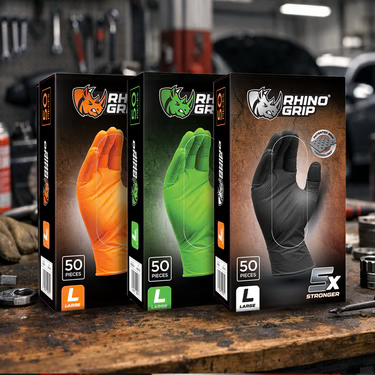
𝗙𝗿𝗼𝗺 𝗙𝗮𝗰𝘁𝗼𝗿𝘆 𝘁𝗼 𝗛𝗮𝗻𝗱: 𝗧𝗵𝗲 𝗦𝘁𝗼𝗿𝘆 𝗕𝗲𝗵𝗶𝗻𝗱 𝗢𝗿𝗮𝗻𝗴𝗲 𝗡𝗶𝘁𝗿𝗶𝗹𝗲 𝗚𝗹𝗼𝘃𝗲𝘀
Most people pull a glove from a box without giving a second thought to how it was made. Yet every pair of Orange nitrile gloves goes through a carefully controlled manufacturing process involving chemistry, heat, precision machinery, and multiple quality checks. Understanding this journey helps explain why some gloves perform brilliantly while others tear at the first stretch.
This article follows orange nitrile gloves from raw material to finished product and shows how each stage affects the protection you feel on your hands.
𝗪𝗵𝗲𝗿𝗲 𝗜𝘁 𝗔𝗹𝗹 𝗕𝗲𝗴𝗶𝗻𝘀: 𝗧𝗵𝗲 𝗥𝗮𝘄 𝗠𝗮𝘁𝗲𝗿𝗶𝗮𝗹
Nitrile gloves start as a liquid synthetic rubber known as nitrile butadiene rubber. This material is produced from petroleum-based ingredients and delivered to glove factories in liquid form. On its own, it is not yet strong or elastic enough to become a glove.
Manufacturers blend the liquid rubber with a carefully measured mix of additives. These include compounds that help the rubber cure and bond, stabilizers that improve consistency, and agents that control softness and strength. The exact recipe varies between manufacturers and has a major influence on how durable, flexible, and comfortable the final glove will be.
𝗔𝗱𝗱𝗶𝗻𝗴 𝘁𝗵𝗲 𝗦𝗶𝗴𝗻𝗮𝘁𝘂𝗿𝗲 𝗢𝗿𝗮𝗻𝗴𝗲 𝗖𝗼𝗹𝗼𝗿
The distinctive orange shade is introduced at the compounding stage. Pigment is mixed directly into the liquid nitrile so that color runs evenly through the entire material rather than sitting on the surface. This approach ensures the color will not rub off on hands, food, or work surfaces and remains consistent from fingertip to cuff.
Achieving the same bright shade batch after batch requires careful measurement, which is why reputable manufacturers produce gloves with a uniform, consistent color across every box.
𝗦𝗵𝗮𝗽𝗶𝗻𝗴 𝘁𝗵𝗲 𝗚𝗹𝗼𝘃𝗲 𝗼𝗻 𝗛𝗮𝗻𝗱 𝗙𝗼𝗿𝗺𝗲𝗿𝘀
Gloves are formed on hand-shaped molds called formers, usually made from ceramic. Thousands of formers move along a production line in a continuous chain.
First, the formers are thoroughly cleaned. They are then dipped into a coagulant solution that helps the nitrile set evenly. Next, they pass through the tank of orange nitrile compound, where a layer of rubber coats each mold. For heavy-duty gloves, manufacturers adjust the process to build a thicker coating, giving the finished glove its extra strength.
𝗖𝗿𝗲𝗮𝘁𝗶𝗻𝗴 𝘁𝗵𝗲 𝗗𝗶𝗮𝗺𝗼𝗻𝗱 𝗚𝗿𝗶𝗽
The raised diamond texture found on many orange nitrile gloves comes from the formers themselves. Molds with a textured surface transfer that pattern directly into the glove as it forms. This is why the texture is built into the material permanently, rather than being added afterward, and why it continues to provide reliable grip throughout use.
𝗖𝘂𝗿𝗶𝗻𝗴, 𝗟𝗲𝗮𝗰𝗵𝗶𝗻𝗴, 𝗮𝗻𝗱 𝗙𝗶𝗻𝗶𝘀𝗵𝗶𝗻𝗴
After dipping, the coated formers go through several finishing steps:
Leaching: The gloves are rinsed in warm water to remove excess chemicals, which helps reduce skin irritation and odor.
Beading: The edge of each cuff is rolled to create a reinforced bead that prevents tearing during donning.
Curing: The gloves pass through heated ovens where the rubber is vulcanized, transforming it into a strong, elastic material.
Surface Treatment: The inner surface is treated so the glove slides on easily without powder.
Stripping: Finished gloves are removed from the formers, either by machine or by hand, ready for inspection.
𝗤𝘂𝗮𝗹𝗶𝘁𝘆 𝗖𝗵𝗲𝗰𝗸𝘀 𝗕𝗲𝗳𝗼𝗿𝗲 𝗣𝗮𝗰𝗸𝗮𝗴𝗶𝗻𝗴
Before orange nitrile gloves reach the box, samples from each batch are tested. Common checks include:
Water leak tests to detect pinholes.
Thickness measurements at the fingertips, palm, and cuff.
Tensile strength and elongation tests to measure durability and stretch.
Size and length checks for consistent fit.
Visual inspections for color, texture, and defects.
Batches that do not meet the required standard are rejected. Gloves that pass are counted, packed into dispenser boxes, and labeled with size, thickness, and certification details.
𝗪𝗵𝘆 𝘁𝗵𝗲 𝗣𝗿𝗼𝗰𝗲𝘀𝘀 𝗠𝗮𝘁𝘁𝗲𝗿𝘀 𝘁𝗼 𝗬𝗼𝘂
Every step in manufacturing affects the glove you wear. A poorly balanced compound can produce brittle or sticky gloves. Uneven dipping creates thin spots that tear easily. Inadequate leaching can leave chemical residues that irritate the skin. Skipping proper testing allows defective gloves to slip into the box.
When you choose gloves from manufacturers that follow strict processes and publish their standards, you benefit from consistent thickness, reliable grip, comfortable fit, and dependable protection in every pair.
𝗧𝗵𝗲 𝗙𝗶𝗻𝗮𝗹 𝗦𝘁𝗲𝗽: 𝗬𝗼𝘂𝗿 𝗛𝗮𝗻𝗱𝘀
The journey ends when you put the glove on. To respect all the work behind each pair, store gloves in a cool, dry place, choose the correct size, inspect them before use, and replace them when they show wear. These simple habits ensure the quality built in at the factory carries through to your work.
𝗖𝘂𝗿𝗶𝗼𝘂𝘀 𝗕𝘂𝘆𝗲𝗿 𝗤𝘂𝗲𝘀𝘁𝗶𝗼𝗻𝘀
𝟭. 𝗪𝗵𝗲𝗿𝗲 𝗮𝗿𝗲 𝗺𝗼𝘀𝘁 𝗻𝗶𝘁𝗿𝗶𝗹𝗲 𝗴𝗹𝗼𝘃𝗲𝘀 𝗺𝗮𝗻𝘂𝗳𝗮𝗰𝘁𝘂𝗿𝗲𝗱?
A large share of the world's nitrile gloves is produced in Southeast Asia, particularly in Malaysia and Thailand, along with other manufacturing countries. Many brands source their gloves from these specialized factories.
𝟮. 𝗪𝗵𝗮𝘁 𝗮𝗿𝗲 𝗮𝗰𝗰𝗲𝗹𝗲𝗿𝗮𝘁𝗼𝗿𝘀 𝗮𝗻𝗱 𝘄𝗵𝘆 𝗱𝗼 𝘁𝗵𝗲𝘆 𝗺𝗮𝘁𝘁𝗲𝗿?
Accelerators are chemicals that speed up the curing process and help give nitrile its strength. In a small number of people, they can cause skin reactions, which is why some manufacturers offer accelerator-free gloves for sensitive users.
𝟯. 𝗗𝗼𝗲𝘀 𝘁𝗵𝗲 𝗼𝗿𝗮𝗻𝗴𝗲 𝗽𝗶𝗴𝗺𝗲𝗻𝘁 𝗮𝗳𝗳𝗲𝗰𝘁 𝘀𝘁𝗿𝗲𝗻𝗴𝘁𝗵?
No. The pigment is used in small amounts and does not reduce protection. Strength depends on the nitrile formulation, thickness, and quality of the manufacturing process.
𝟰. 𝗪𝗵𝗮𝘁 𝗺𝗮𝗸𝗲𝘀 𝗮 𝗴𝗹𝗼𝘃𝗲 𝗽𝗼𝘄𝗱𝗲𝗿-𝗳𝗿𝗲𝗲 𝗱𝘂𝗿𝗶𝗻𝗴 𝗽𝗿𝗼𝗱𝘂𝗰𝘁𝗶𝗼𝗻?
Instead of using powder to help gloves slide on, manufacturers treat the inner surface with special coatings or processes that reduce stickiness. This creates a smooth interior that is easy to put on without leaving residue.
𝟱. 𝗛𝗼𝘄 𝗰𝗮𝗻 𝗜 𝘁𝗲𝗹𝗹 𝗶𝗳 𝗮 𝗺𝗮𝗻𝘂𝗳𝗮𝗰𝘁𝘂𝗿𝗲𝗿 𝗳𝗼𝗹𝗹𝗼𝘄𝘀 𝗴𝗼𝗼𝗱 𝗾𝘂𝗮𝗹𝗶𝘁𝘆 𝗰𝗼𝗻𝘁𝗿𝗼𝗹?
Look for listed safety standards, quality management certifications such as ISO 9001, and clear information about thickness and testing. Brands that share test results or AQL levels are generally more transparent about their quality.
𝗕𝘂𝗶𝗹𝘁 𝘄𝗶𝘁𝗵 𝗣𝘂𝗿𝗽𝗼𝘀𝗲
Behind every box of orange nitrile gloves is a detailed process designed to deliver strength, grip, comfort, and consistent color. From blending the raw compound and adding pigment to shaping, curing, and testing each batch, every step shapes the protection you rely on. By choosing gloves from manufacturers that take this process seriously, you can be confident that each pair is built to perform when your hands need it most.

 Arabic
 French
 Spanish
 Portuguese
 Deutsch
 Turkish
 Dutch
 Italiano
 Russian
 Romaian
 Portuguese (Brazil)
 Greek