


How Plumbing Systems Work in Homes and Commercial Buildings
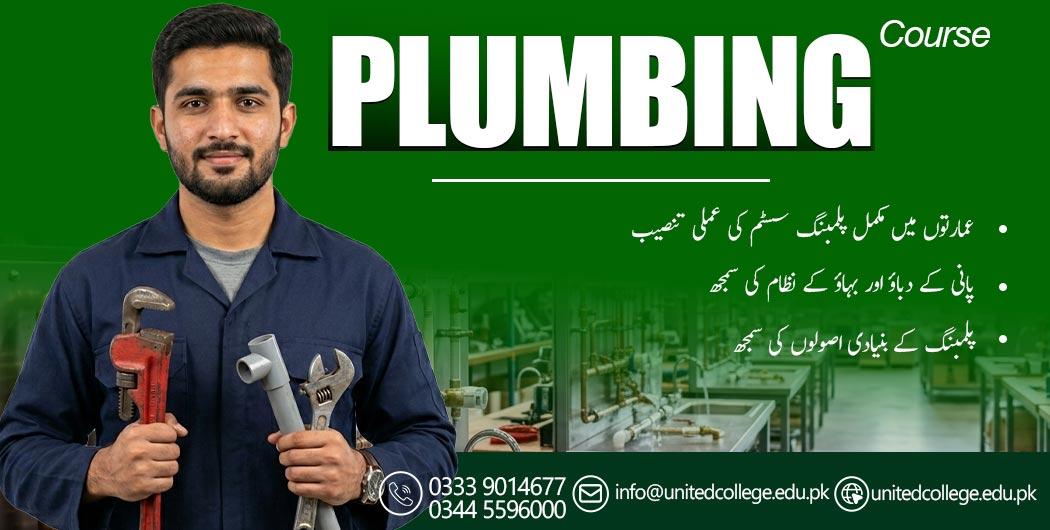
Understand the Systems Behind Everyday Water Use
Every time you turn on a kitchen tap, take a shower, or flush a toilet, a plumbing system is working behind the scenes. It brings clean water into a building and carries wastewater away through a separate network of pipes.
Although the basic purpose is similar, plumbing systems can differ between homes and commercial buildings. A small house may have a relatively simple arrangement, while a hotel, hospital, shopping centre, or office building may require a more complex network.
Understanding these systems is useful for anyone interested in construction, building maintenance, or technical education. A Plumbing Course in Islamabad can introduce students to the main components, tools, and principles used in residential and commercial plumbing.
1. How the Water Supply System Works
The water supply system delivers clean water to different parts of a building. It connects the building to a suitable water source and distributes water through pipes to taps, showers, sinks, toilets, and other fixtures.
In many buildings, water may come from a public supply network, a storage tank, or another approved source. The arrangement depends on the building design and local water supply conditions.
A typical water supply system may include:
-
Main water supply connection.
-
Storage tanks, where provided.
-
Distribution pipes.
-
Control valves.
-
Water meters.
For example, when someone opens a kitchen tap, water travels through the supply pipes and reaches the outlet. Valves help control the flow, while the pipe network connects different fixtures to the main supply.
2. Understand the Role of Plumbing Pipes
Pipes are the main pathways through which water moves around a building. However, not every pipe performs the same job.
Some pipes carry clean water to fixtures, while others transport wastewater toward the drainage system. Pipe materials and sizes depend on their intended use, building design, and applicable requirements.
Common pipe materials include plastic and metal options. Each material has different properties, and selecting the correct one is important for a reliable installation.
During plumbing training, students can learn about pipe types, fittings, measurements, and the importance of using suitable materials for particular applications.
3. How Drainage Systems Remove Wastewater
A drainage system carries used water away from kitchens, bathrooms, washing areas, and other parts of a building.
Unlike the water supply network, which delivers clean water, the drainage network removes wastewater. It generally uses gravity and properly planned pipe arrangements to move wastewater toward an approved sewer or treatment system.
Important drainage components may include:
-
Waste pipes.
-
Soil pipes.
-
Drainage connections.
-
Traps.
-
Vent pipes.
-
Inspection points.
For example, water used in a bathroom basin enters the waste pipe and moves into the drainage network. The system must be designed properly to support wastewater flow and help prevent unpleasant smells from entering indoor spaces.
4. Why Traps and Vent Pipes Are Important
Traps and vent pipes are important parts of building drainage systems.
A plumbing trap normally holds a small amount of water that helps prevent sewer gases from entering indoor spaces through drainage outlets. You may notice these fittings beneath sinks and washbasins.
Vent pipes help manage air pressure within the drainage system. Proper venting supports drainage flow and helps plumbing traps function correctly.
These components may look simple, but they have an important role in keeping a building's plumbing system working properly.
5. How Plumbing Works in Residential Buildings
Residential plumbing systems are designed around the everyday needs of people living in a house or apartment.
A typical home may have separate connections for the kitchen, bathrooms, laundry area, and outdoor water outlets. Each area needs suitable water supply and drainage arrangements.
For example, a bathroom may contain a washbasin, shower, and toilet. These fixtures connect to different parts of the water supply and drainage networks.
In a house, the plumbing system may be relatively straightforward. However, apartments can have shared supply lines, common drainage arrangements, storage tanks, and additional building services.
Good planning helps ensure that each fixture receives an appropriate water supply and wastewater can leave the building properly.
6. How Plumbing Systems Work in Commercial Buildings
Commercial buildings often have more demanding plumbing requirements because they serve larger numbers of people and may operate for longer hours.
An office building, hotel, restaurant, or shopping centre may have several bathrooms, kitchens, wash areas, and service rooms. Some buildings also require specialized water systems based on their activities.
Commercial plumbing may involve:
-
Larger water distribution networks.
-
Multiple bathrooms and washrooms.
-
Commercial kitchen connections.
-
Hot water systems.
-
Water storage arrangements.
-
More extensive drainage networks.
-
Routine inspection and maintenance.
For example, a restaurant needs water connections for food preparation, cleaning, and washrooms. Its drainage arrangements must also suit the building's activities and applicable requirements.
Therefore, commercial plumbing usually requires careful planning, suitable equipment, and regular maintenance.
7. Understand the Difference Between Home and Commercial Plumbing
The basic principles of plumbing remain similar in both types of buildings. However, their size, layout, water demand, and maintenance needs can be different.
| Feature | Residential Plumbing | Commercial Plumbing |
|---|---|---|
| Building type | Houses and apartments | Offices, hotels, shops |
| Water demand | Usually lower | Often higher |
| Pipe network | Generally simpler | Often more extensive |
| Fixtures | Household taps and bathrooms | Multiple and specialized fixtures |
| Maintenance | Based on household use | May require scheduled inspections |
| System planning | Based on household needs | Based on building operations |
This comparison helps explain why commercial buildings may require more detailed plumbing plans and maintenance arrangements.
8. What Happens When a Plumbing System Develops a Problem?
Plumbing systems can experience problems as pipes, fittings, and fixtures become worn or damaged.
Some common issues include visible leaks, blocked drains, loose connections, low water pressure, and faulty taps.
For example, a leaking connection may waste water and cause dampness around the affected area. A drainage blockage may slow the movement of wastewater and create unpleasant conditions.
Identifying the possible source of a problem is an important part of plumbing maintenance. However, repairs involving complex systems, contaminated water, or building services should be handled by appropriately trained professionals.
9. Why Regular Plumbing Maintenance Matters
Regular maintenance helps keep plumbing systems in suitable working condition. It can also help identify small issues before they become more serious.
Homeowners and building managers should pay attention to visible leaks, unusual drainage problems, damaged fixtures, and changes in water pressure.
Maintenance activities may include:
-
Checking visible pipes and connections.
-
Inspecting taps and plumbing fixtures.
-
Looking for signs of leakage.
-
Monitoring drainage performance.
-
Arranging professional inspections when needed.
-
Keeping records of maintenance work.
Commercial buildings may need planned maintenance because plumbing problems can affect employees, customers, tenants, and daily operations.
10. Why Plumbing Knowledge Is Useful for Technical Students
Understanding how plumbing systems work can help students develop a foundation for technical and construction-related work.
A learner should become familiar with water supply, drainage, pipe materials, fittings, sanitary fixtures, measurements, and workplace safety.
Practical training can make these subjects easier to understand. For example, students may learn about a pipe fitting in class and then observe how it connects different sections of a plumbing system during a supervised activity.
This combination of theory and practical learning helps students understand the purpose of different components rather than simply memorizing their names.
Learn Plumbing Skills at United College of Technology in Islamabad
United College of Technology (UCT) lists a Plumbing Course in Islamabad on its official website for students interested in developing technical knowledge of plumbing work.
Before enrolling, students should review the course subjects and ask about practical sessions, available equipment, class schedules, course duration, fees, and certificate requirements.
You can find the course information here:
Plumbing Course in Islamabad – United College of Technology
Contact UCT directly to confirm the latest admission details and the practical training arrangements available for the current batch.
Frequently Asked Questions
1. What are the main parts of a building plumbing system?
The main parts include water supply pipes, drainage pipes, valves, traps, vent pipes, storage arrangements where needed, and plumbing fixtures such as taps, sinks, and toilets.
2. How does clean water reach different rooms in a house?
Clean water enters through the building's supply connection and travels through a network of pipes. These pipes distribute water to fixtures in kitchens, bathrooms, and other areas.
3. What is the difference between water supply and drainage?
The water supply system delivers clean water to a building, while the drainage system carries used water and wastewater away.
4. Why do commercial buildings need more complex plumbing systems?
Commercial buildings often have more fixtures, higher water demand, and different operational requirements. Their plumbing systems may therefore need larger networks and more detailed maintenance planning.
5. Why are plumbing traps important?
Traps hold water that helps prevent unpleasant sewer gases from entering indoor spaces through drainage outlets.
6. Can a plumbing course teach how building systems work?
A plumbing course can introduce students to water supply, drainage, pipes, fittings, sanitary fixtures, and maintenance concepts. The depth of practical learning depends on the institute's syllabus and training arrangements.
Build Your Understanding of Modern Plumbing Systems
Plumbing systems play an essential role in homes and commercial buildings. They provide clean water, remove wastewater, and support everyday activities in kitchens, bathrooms, offices, and other spaces.
Learning about water supply, drainage, pipes, traps, fixtures, and maintenance can provide a useful foundation for anyone interested in this technical field.
A Plumbing Course in Islamabad can help students explore these concepts through structured learning. Review the UCT Islamabad plumbing course information and confirm the current course details before admission.
With proper training, supervised practice, and continued learning, students can gradually develop a better understanding of the plumbing systems used in modern buildings.

 English
 Arabic
 French
 Spanish
 Portuguese
 Turkish
 Dutch
 Italiano
 Russian
 Romaian
 Portuguese (Brazil)
 Greek