


Elbow Pain: Common Causes, Symptoms, Treatment, and Prevention Tips
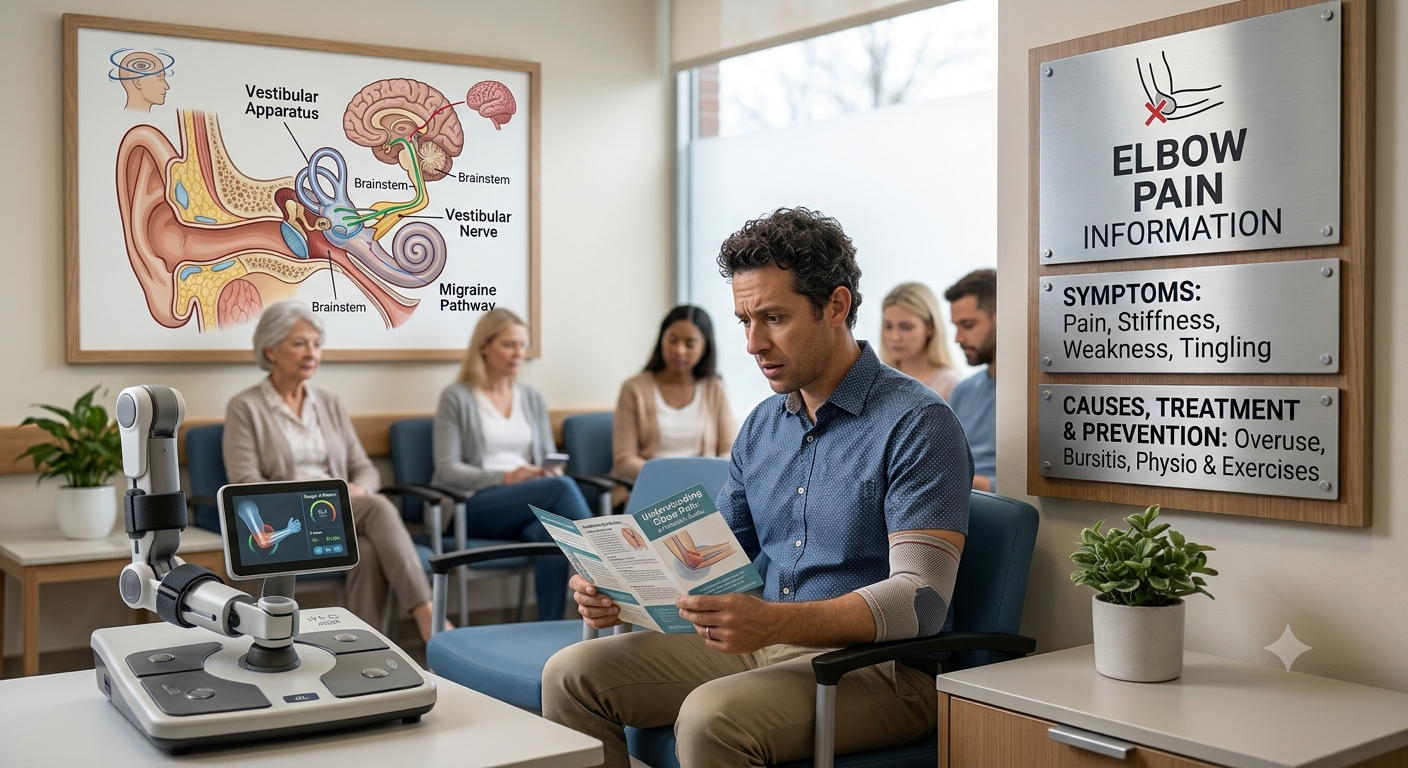
Elbow discomfort can make everyday activities such as lifting objects, writing, exercising, and even getting dressed difficult. The elbow joint plays an important role in arm movement and connects the upper arm with the forearm. Pain in this area can develop due to injuries, repetitive movements, joint problems, or inflammation. Understanding the possible causes and treatment options can help people manage discomfort and maintain normal arm function.
Elbow pain is a common problem that can affect people of different age groups and activity levels. It may develop gradually due to repeated strain or suddenly following an injury. Some people experience mild discomfort, while others may have swelling, stiffness, weakness, or difficulty moving their arms. Identifying the underlying cause is important for choosing the right treatment and preventing further complications.
What Causes Elbow Pain?
The elbow is made up of bones, muscles, tendons, ligaments, and cartilage. Problems affecting any of these structures can result in discomfort or restricted movement.
Some common causes include:
1. Tennis Elbow
Tennis elbow, medically known as lateral epicondylitis, occurs when the tendons on the outer side of the elbow become irritated or damaged due to repetitive movements. It is not limited to tennis players and can affect people who frequently use their wrists and arms.
Common symptoms include:
-
Pain on the outer side of the elbow.
-
Weak grip strength.
-
Discomfort while lifting objects.
-
Pain during wrist movements.
2. Golfer's Elbow
Golfer's elbow, also called medial epicondylitis, affects the tendons attached to the inner side of the elbow. It commonly develops due to repetitive gripping, lifting, or wrist movements.
People may experience inner elbow pain, stiffness, and weakness while holding objects.
3. Elbow Bursitis
Bursitis occurs when the small fluid-filled sac that cushions the elbow joint becomes inflamed. It can develop due to repeated pressure, injury, or infection.
Symptoms may include swelling at the back of the elbow, tenderness, redness, and discomfort while bending the arm.
4. Joint Injuries
Falls, sports injuries, and accidents can damage the bones, ligaments, or surrounding tissues of the elbow. In some cases, these injuries may cause fractures, dislocations, or ligament tears.
5. Arthritis
Arthritis can affect the elbow joint and lead to inflammation, stiffness, and pain. Osteoarthritis and rheumatoid arthritis are among the conditions that may affect joint movement.
Common Symptoms of Elbow Problems
Symptoms can vary depending on the underlying condition and severity. Some common warning signs include:
-
Pain while bending or straightening the arm.
-
Swelling around the elbow joint.
-
Stiffness or reduced flexibility.
-
Weakness while gripping or lifting objects.
-
Tenderness when touching the affected area.
-
Tingling or numbness in the hand or fingers.
-
Difficulty performing everyday activities.
Persistent or worsening symptoms should be evaluated by a healthcare professional.
How Is Elbow Pain Diagnosed?
An accurate diagnosis helps determine the reason behind discomfort and guides appropriate treatment.
A healthcare professional may recommend the following:
Physical Examination: The doctor checks the elbow's movement, strength, swelling, and areas of tenderness.
Medical History: Information about previous injuries, daily activities, exercise habits, and symptom duration helps identify possible causes.
X-rays: These may be used to identify fractures, bone abnormalities, or signs of arthritis.
MRI or Ultrasound: These imaging tests may help assess soft tissues, including tendons, ligaments, and muscles, when necessary.
Treatment Options for Elbow Pain
Treatment depends on the cause, severity, and duration of symptoms. Many mild conditions improve with conservative care, while more serious injuries may require specialised treatment.
1. Rest and Activity Modification
Avoiding activities that worsen discomfort can help reduce stress on the affected tissues. Temporary changes to work, sports, or exercise routines may support recovery.
2. Ice Therapy
Applying an ice pack wrapped in a towel to the affected area for short periods may help reduce swelling and discomfort. Avoid placing ice directly on the skin.
3. Medications
A healthcare professional may recommend suitable pain-relieving or anti-inflammatory medicines depending on the individual's medical history and condition.
4. Physiotherapy
Physiotherapy can help improve joint flexibility, muscle strength, and movement. A physiotherapist may suggest stretching and strengthening exercises based on the specific condition.
5. Supportive Braces
In certain cases, elbow supports or braces may help reduce strain on affected tendons and provide additional support during daily activities.
6. Surgical Treatment
Surgery is generally considered when conservative treatments do not provide sufficient relief or when there is a significant injury requiring surgical repair.
Tips to Prevent Elbow Pain
Following healthy movement habits can help reduce the risk of elbow injuries and repetitive strain.
-
Avoid repetitive movements for extended periods.
-
Take regular breaks during work and exercise.
-
Maintain proper posture while using computers.
-
Warm up before sports and physical activities.
-
Use appropriate techniques while lifting heavy objects.
-
Strengthen the muscles of your arms and shoulders.
-
Avoid putting excessive pressure on your elbows.
These precautions can help maintain joint function and reduce unnecessary strain.
When Should You Consult a Doctor?
You should seek medical advice if elbow discomfort continues, becomes severe, or interferes with daily activities. Medical evaluation is particularly important if you experience significant swelling, restricted movement, numbness, or weakness.
Following an accident, seek prompt medical attention if there is visible deformity, severe pain, or an inability to move the arm. A red, hot, swollen elbow accompanied by fever also requires urgent assessment.
Conclusion
Elbow problems can affect mobility, work performance, and everyday comfort. Although many conditions improve with rest, physiotherapy, and appropriate medical care, persistent symptoms should not be ignored. Early diagnosis can help identify the underlying cause and prevent further joint complications.
If you are experiencing elbow pain treatment, consult a qualified healthcare professional to understand the cause and explore suitable treatment options. Proper care, targeted exercises, and preventive measures can help restore movement and support long-term joint health.

 Arabic
 French
 Spanish
 Portuguese
 Deutsch
 Turkish
 Dutch
 Italiano
 Russian
 Romaian
 Portuguese (Brazil)
 Greek