


Can Cosmetic Surgery Be Planned Around Individual Body Types?
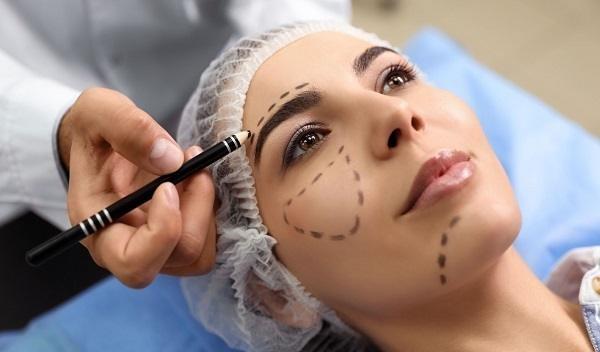
No two bodies are the same. Height, bone structure, skin quality, fat distribution and muscle tone all vary from person to person, and they shape how a body responds to any aesthetic treatment. That is why many patients ask whether a surgical plan can truly be built around their own proportions rather than a standard template. The short answer is yes, and it is the approach that tends to produce the most natural and satisfying results. For anyone exploring Cosmetic Surgery in Islamabad , understanding how body type influences planning is a valuable first step before booking a consultation.
Why Body Type Matters in Surgical Planning?
A procedure that suits one person can look out of place on another. Two people may both want a flatter abdomen, yet one may have loose skin with little fat, while the other carries stubborn fat with firm skin. These differences call for different techniques, different incisions and different expectations about recovery.Body type also affects how the final result sits within the overall silhouette. A surgeon who plans around your frame looks at balance: how the shoulders relate to the waist, how the waist relates to the hips, and how each area flows into the next. The goal is not to copy a trend but to enhance what already suits you.
Common Body Types and How They Influence Choices
Aesthetic professionals often describe body shapes in broad terms, such as pear, apple, hourglass, rectangular or athletic. These labels are only a starting point, since real bodies are rarely so tidy, but they help explain why plans differ.A person who stores weight mainly in the hips and thighs may be interested in contouring that area while keeping the upper body proportionate. Someone who carries weight around the midsection may focus on abdominal definition and waist refinement. A slim, straighter frame might look for subtle curves, while an athletic build may want to address small pockets of fat that exercise cannot shift.In every case, the treatment plan follows the anatomy, not the other way around. A good surgeon will tell you honestly when a particular procedure will not suit your build and suggest an alternative that will.
The Role of Skin Quality and Tissue Elasticity
Skin is one of the most overlooked factors in cosmetic planning. Elasticity determines how well the skin will tighten after fat is reduced or tissue is reshaped. Younger skin with good elasticity usually adapts well, while skin that has stretched through pregnancy, significant weight loss or ageing may need additional tightening to achieve a smooth outcome.This is a major reason why a one-size-fits-all approach rarely works. Two patients having the same procedure can end up with very different results simply because their skin behaves differently. A thorough assessment includes pinching and measuring the skin, checking for stretch marks and reviewing how your body has changed over time.
Fat Distribution and Muscle Structure
Where your body stores fat is largely determined by genetics, hormones and lifestyle. Some people carry fat just beneath the skin, which can be treated with liposuction. Others carry deeper visceral fat, which surgery cannot remove and which responds better to diet and exercise. Knowing the difference helps set realistic goals.Muscle structure matters too. After pregnancy, for example, the abdominal muscles may separate, creating a bulge that no amount of dieting will fix. In such cases, a procedure that repairs the muscle wall may be more appropriate than fat removal alone. Without a proper examination, this kind of detail is easy to miss, and the result may disappoint.
The Consultation: Where Personalised Planning Begins
Planning around your body type starts with a detailed consultation. This is more than a quick chat about what you want to change. A careful evaluation usually includes a discussion of your goals, a review of your medical history, a physical examination and, in some cases, photographs or measurements to assess symmetry and proportion.If you are considering Cosmetic Surgery in Islamabad, this is the stage to ask plenty of questions. How will the procedure suit your frame? What results are realistic for your skin and tissue type? What does recovery look like for someone with your build? A surgeon who listens carefully and answers openly is far more likely to design a plan that fits you. If you would like personalised guidance, you can contact us at Glamorous Clinic to discuss your goals with an experienced team.
Setting Realistic Expectations
Individual planning is also about honesty. Cosmetic surgery can refine and enhance, but it cannot turn one body type into a completely different one. A person with a naturally narrow frame will not develop wide hips through a single procedure, and someone with a broad ribcage will not gain a petite waist overnight.What surgery can do is bring your body closer to its own best proportions. Understanding this early helps you avoid disappointment and focus on improvements that are achievable and in harmony with your natural shape.
Combining Procedures for a Balanced Outcome
Sometimes the most natural result comes from addressing more than one area. For instance, contouring the waist can make the hips look fuller, and refining the abdomen can improve how clothes fit across the entire body. A skilled surgeon considers how each change affects the whole figure and may suggest staging procedures to keep the process safe and manageable.Careful sequencing also protects your recovery. Rather than attempting too much at once, a thoughtful plan prioritises the areas that will make the biggest difference while keeping risk low.
Lifestyle, Weight and Long-Term Results
Your body type is not fixed forever. Weight changes, pregnancy, ageing and fitness habits can all alter how your results look over time. For this reason, many surgeons prefer patients to be at a stable, healthy weight before surgery. Planning around your body also means planning for your future, including your family goals and your ability to maintain results.A balanced diet, regular movement and good skin care all help preserve the outcome. Surgery is a powerful tool, but it works best when supported by healthy daily habits.
Safety and Recovery Differ From Person to Person
Body type can influence healing as well. Tissue thickness, circulation, existing medical conditions and even age affect how quickly you recover and how you manage swelling or bruising. Following your surgeon’s aftercare instructions, attending follow-up appointments and allowing enough rest are essential for everyone, but the details may vary depending on your build and the procedure performed.Choosing a clinic that offers clear aftercare support gives you confidence that someone is watching your progress and ready to step in if anything needs attention.
Conclusion
Cosmetic surgery can absolutely be planned around individual body types, and the best results usually come from exactly that kind of tailored thinking. By considering your frame, skin quality, fat distribution, muscle structure and long-term lifestyle, a skilled surgeon can design a plan that looks natural and feels right for you. The key is an honest consultation, realistic goals and a team that treats you as an individual rather than a standard case.If you are ready to take the next step, Glamorous Clinic is here to guide you with personalised care and professional expertise. Reach out today to begin a conversation about what is possible for your body.

 English
 Arabic
 French
 Spanish
 Portuguese
 Deutsch
 Turkish
 Dutch
 Italiano
 Russian
 Romaian
 Portuguese (Brazil)