


Upper Blepharoplasty in London: Scarring and Healing
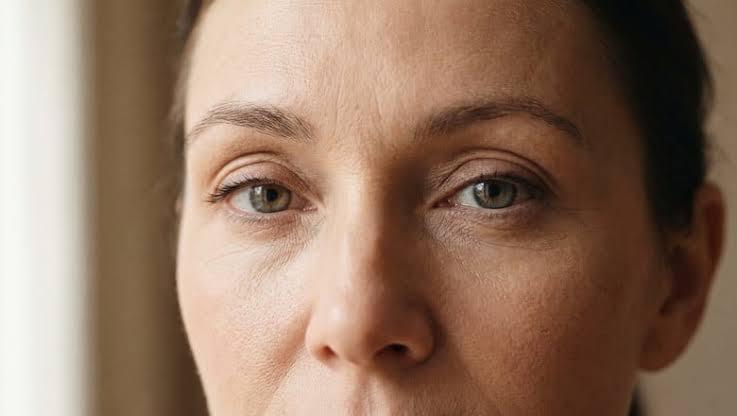
The eyes play an important role in facial appearance. However, as people get older, the upper eyelids may begin to lose firmness and develop excess skin. This can create a tired or aged appearance and, in some cases, may even affect the upper field of vision. Upper blepharoplasty is a cosmetic surgical procedure designed to remove excess skin and improve the appearance of the upper eyelids.
Upper Blepharoplasty in London is an option for people who want to address drooping upper eyelids and achieve a fresher appearance. However, before choosing surgery, it is important to understand the healing process, possible scars, recovery time, and aftercare requirements.
At Bodyvie Clinic, patients can learn about eyelid surgery and discuss their concerns during a professional consultation. Understanding what happens before and after surgery can help patients prepare for recovery and develop realistic expectations.
This article explains how upper blepharoplasty works, where scars are placed, how long healing takes, and what patients can do to support a comfortable recovery.
Understanding Upper Blepharoplasty in London and How the Procedure Works
Upper blepharoplasty, also known as upper eyelid surgery, is a procedure that removes excess skin and, when appropriate, small amounts of fat from the upper eyelids.
The main purpose is to improve the appearance of heavy or drooping upper eyelids. Some patients also consider surgery when excess skin affects their vision.
Why Do People Consider Upper Eyelid Surgery?
Several factors can contribute to changes in the upper eyelids. Ageing is one of the most common reasons, as the skin gradually loses collagen and elasticity.
Other contributing factors include:
- Natural genetic characteristics.
- Reduced skin elasticity.
- Excess skin around the eyelids.
- Changes in the distribution of facial fat.
- Age-related changes in the muscles and supporting tissues.
These changes can make the eyes appear smaller, tired, or less defined.
How Is Upper Blepharoplasty Performed?
During surgery, the surgeon makes an incision along the natural crease of the upper eyelid. Excess skin is carefully removed, and additional tissue may be adjusted when medically appropriate.
The incision is then closed with fine sutures. Placing the incision within the natural eyelid crease helps make the resulting scar less noticeable once healing is complete.
The exact surgical approach depends on the patient's eyelid anatomy, skin condition, and treatment goals.
Upper Blepharoplasty Scarring: Where Are the Surgical Scars Located?
One of the most common concerns before eyelid surgery is whether the procedure will leave visible scars. Since the eyelids have delicate and relatively thin skin, patients often want to understand how the incision will heal.
Incision Placement in the Natural Eyelid Crease
During Upper Blepharoplasty in London, the incision is generally made within the natural fold of the upper eyelid.
This location is selected because the crease naturally hides much of the incision when the eyes are open. As the healing process progresses, the scar usually becomes softer and less noticeable.
Do Upper Blepharoplasty Scars Remain Visible?
All surgical incisions create scars, but their appearance changes over time.
Initially, the incision may look pink, slightly raised, or more noticeable. Over the following weeks and months, the scar generally becomes flatter and gradually fades.
The final appearance depends on several factors, including:
- Individual skin type.
- Natural healing response.
- Surgical technique.
- Incision placement.
- Aftercare and wound management.
- Genetic tendency towards scar formation.
Although scars are usually discreet, they cannot be guaranteed to disappear completely.
Upper Blepharoplasty Healing Timeline: What Happens After Surgery?
Understanding the healing timeline can help patients prepare for the recovery period. Healing takes place gradually, and every individual may experience a slightly different recovery process.
The First 24 to 48 Hours After Upper Eyelid Surgery
During the first two days, patients may experience swelling, bruising, mild discomfort, and tightness around the eyes.
These symptoms are common after surgery because the tissues need time to recover.
Patients are generally advised to:
- Rest and avoid unnecessary physical activity.
- Keep their head elevated when resting.
- Follow prescribed medication instructions.
- Use cold compresses if recommended by the surgeon.
- Avoid rubbing or touching the incision area.
Following these instructions can help support early recovery.
The First Week of Healing
During the first week, swelling and bruising may remain noticeable but should gradually begin to improve.
Patients may need to attend a follow-up appointment so the surgeon can assess healing. If non-dissolvable stitches were used, they are commonly removed around five to seven days after surgery, depending on the surgical plan.
The incision may still look slightly pink or delicate. Patients should avoid applying makeup or skincare products directly to the healing area until their surgeon confirms it is safe.
Two to Four Weeks After Surgery
By the second to fourth week, many patients notice a significant improvement in bruising and swelling.
The eyelids may begin to look more natural, although some mild swelling or tightness can remain.
Patients may gradually return to their normal daily activities according to their surgeon's advice. Strenuous exercise and activities that increase pressure around the eyes should be avoided until medical clearance is given.
Several Months After Upper Blepharoplasty
The healing process continues for several months. The incision gradually becomes softer, and the scar may become less visible.
Final results are generally assessed after the tissues have had enough time to settle. Patients should understand that complete scar maturation can take around six to twelve months.
Best Upper Blepharoplasty in London: How to Choose the Right Clinic
Choosing the Best Upper Blepharoplasty in London requires careful research. Since eyelid surgery involves a delicate area of the face, selecting an appropriately qualified and experienced surgeon is essential.
Check the Surgeon's Qualifications and Experience
Patients should check whether their surgeon has the appropriate specialist qualifications, professional registration, and experience in eyelid procedures.
It is also useful to ask about the surgeon's experience with different upper eyelid conditions and surgical techniques.
Understand the Surgical Approach
Not every patient needs the same surgical treatment. Some people have excess skin, while others may have additional concerns involving fat distribution or eyelid muscle function.
A detailed consultation helps determine the appropriate approach.
At Bodyvie Clinic, patients can discuss their concerns, understand the procedure, and learn about the expected recovery process.
Review Before and After Results
Before and after photographs may help patients understand the types of changes that can be achieved through upper eyelid surgery.
When reviewing photographs, patients should look for natural-looking results, balanced eyelid contours, and scars that follow the natural eyelid crease.
However, individual results vary, and photographs cannot guarantee a particular outcome.
Upper Blepharoplasty Cost in London: What Affects the Price?
The Upper Blepharoplasty cost in London can vary depending on the complexity of the procedure, the surgeon's experience, the surgical facility, and the type of anaesthesia used.
Patients should understand the full treatment cost before making a decision.
Factors That Influence Upper Eyelid Surgery Costs
Several factors may affect the overall price:
- Surgeon's professional fees.
- Surgical facility charges.
- Anaesthesia costs.
- Pre-operative consultations.
- Complexity of the eyelid condition.
- Post-operative appointments.
- Medication and aftercare requirements.
Why It Is Important to Understand What Is Included
When discussing the Upper Blepharoplasty cost in London, patients should ask whether the quoted price includes consultations, surgery, follow-up visits, and any additional expenses.
At Bodyvie Clinic, patients can discuss their treatment requirements and request clear information about the costs involved.
Choosing surgery based only on the lowest price is not advisable. Professional qualifications, patient safety, and appropriate aftercare should remain important priorities.
How to Reduce the Appearance of Upper Blepharoplasty Scars
Although surgical scars cannot be completely prevented, proper wound care can help support healing and improve their appearance over time.
Follow Your Surgeon's Wound Care Instructions
Keeping the incision clean and following the recommended wound care routine are important during early recovery.
Patients should use only the ointments or products recommended by their surgeon. Applying unapproved creams or skincare ingredients may irritate the healing skin.
Avoid Direct Sun Exposure
New scars can be sensitive to sunlight. UV exposure may make scars darker and more noticeable.
Once the incision has healed sufficiently and the surgeon approves, patients should use suitable sun protection and sunglasses when outdoors.
Avoid Rubbing or Pulling the Eyelids
The eyelid area is delicate, particularly during the first few weeks after surgery.
Patients should avoid rubbing their eyes, pulling the skin, or applying unnecessary pressure to the incision. Gentle handling supports the healing process.
Maintain a Healthy Lifestyle
A healthy lifestyle can support the body's natural recovery process.
Patients should maintain a balanced diet, drink enough water, get sufficient sleep, and avoid smoking. Smoking can interfere with circulation and wound healing, potentially increasing the risk of complications.
Possible Side Effects and Risks of Upper Blepharoplasty
Like any surgical procedure, upper eyelid surgery has possible side effects and risks. Understanding them before treatment helps patients make informed decisions.
Common Temporary Side Effects
Some common effects after surgery include:
- Swelling around the eyelids.
- Bruising.
- Mild discomfort.
- Temporary dryness or irritation.
- Tightness around the incision.
- Temporary changes in skin sensation.
These symptoms generally improve as healing progresses.
Potential Surgical Complications
Less common complications may include infection, bleeding, noticeable scarring, asymmetry, difficulty closing the eyes, or changes in eyelid position.
Patients should contact their surgeon if they experience increasing pain, worsening redness, discharge, or unusual swelling.
Sudden vision changes, severe eye pain, or rapidly increasing swelling require urgent medical assessment.
Who Is a Suitable Candidate for Upper Blepharoplasty?
Upper blepharoplasty may be suitable for adults who have excess upper eyelid skin and want to improve their appearance or address functional concerns.
People With Drooping Upper Eyelids
Patients with excess skin that creates a heavy appearance around the eyes may benefit from an assessment for upper eyelid surgery.
People Experiencing Vision Obstruction
In some cases, excess upper eyelid skin may interfere with the upper field of vision. A suitable medical assessment can help determine whether surgery may improve this concern.
People With Realistic Expectations
Suitable candidates should understand the benefits, limitations, recovery requirements, and possible complications of surgery.
A consultation is essential to determine whether upper blepharoplasty is appropriate for an individual's needs.
Conclusion: Understand Upper Blepharoplasty Healing with Bodyvie Clinic
Upper eyelid surgery can help improve the appearance of heavy or drooping eyelids and, in selected cases, address vision obstruction caused by excess skin. However, understanding scarring and healing is an important part of preparing for the procedure.
Upper Blepharoplasty in London involves an incision that is generally placed within the natural eyelid crease, helping keep the scar discreet as healing progresses. Patients should follow proper aftercare, protect the incision from sunlight, and allow enough time for the final results to develop.
When researching the Best Upper Blepharoplasty in London, patients should prioritise surgical qualifications, experience, safety standards, and personalised treatment planning. Understanding the Upper Blepharoplasty cost in London is also important when preparing for surgery.
At Bodyvie Clinic, patients can discuss their eyelid concerns, learn about the surgical process, and understand what to expect during recovery. With careful planning, professional guidance, and appropriate aftercare, patients can work towards a refreshed and natural-looking appearance.

 English
 Arabic
 French
 Spanish
 Deutsch
 Turkish
 Dutch
 Italiano
 Russian
 Romaian
 Portuguese (Brazil)
 Greek