


Healthy Skin Tips for Every Skin Type: A Complete Guide
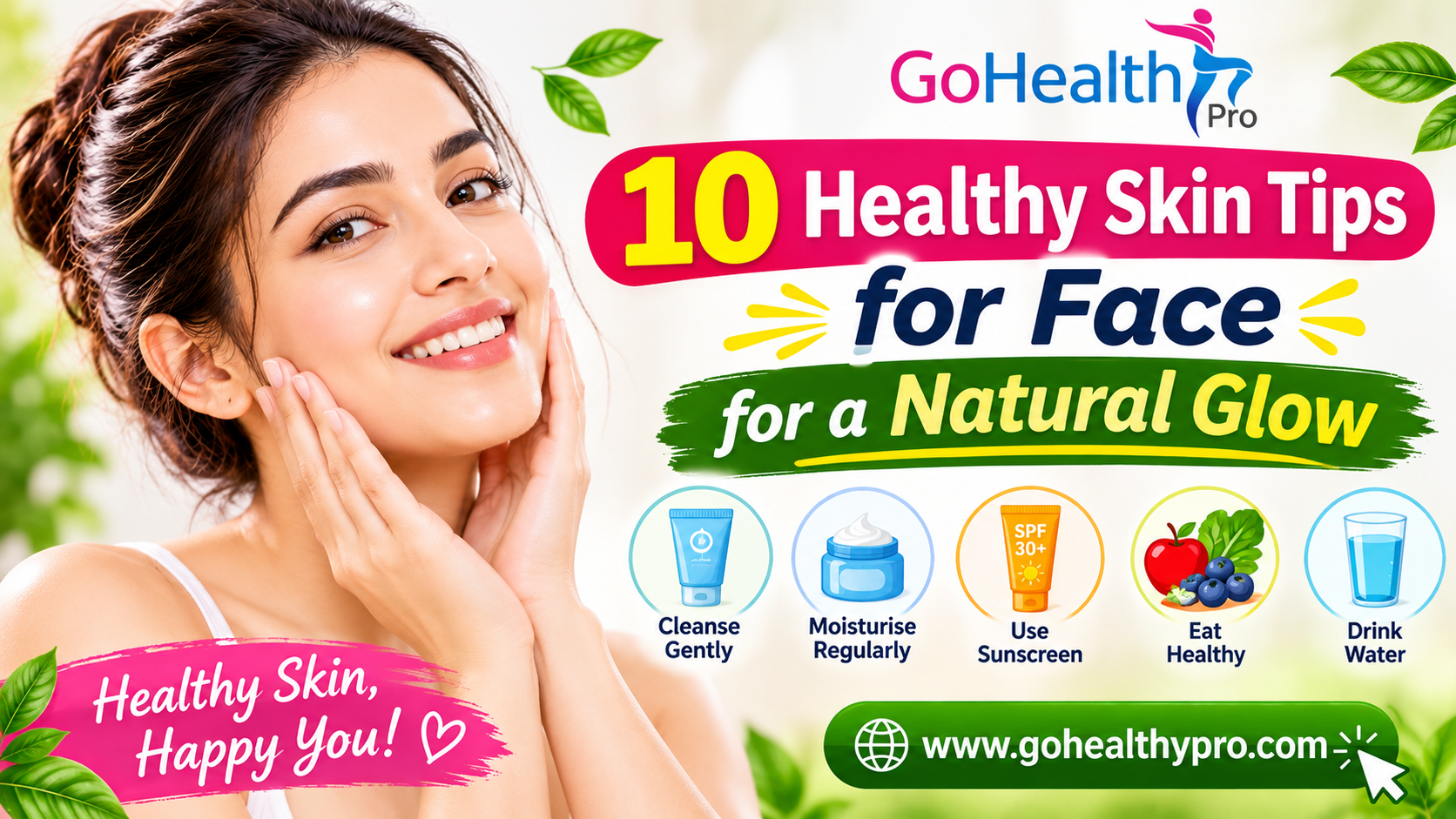
Healthy skin is not only about looking good but also about keeping your skin comfortable, protected, and well-nourished. Following the right skincare habits can help maintain your skin's natural barrier, manage dryness, reduce excess oil, and support a fresh, healthy appearance. However, every skin type is different, so a skincare routine that works for one person may not work for another.
Whether you have oily, dry, combination, sensitive, or normal skin, understanding your skin's needs is the first step towards better skincare. You do not always need expensive products or complicated routines. Simple habits such as gentle cleansing, moisturising, sun protection, and maintaining a healthy lifestyle can make a meaningful difference over time.
In this guide, we will explore practical healthy skin tips for every skin type, explain how to build a simple skincare routine, and share everyday habits that can help you maintain healthier skin.
Why Is It Important to Follow Healthy Skin Tips?
Your skin is the body's largest organ and helps protect you from external factors such as pollution, bacteria, environmental irritants, and ultraviolet (UV) rays. Taking proper care of your skin helps maintain its protective barrier and keeps it hydrated and comfortable.
A consistent skincare routine may help:
-
Maintain skin hydration and softness.
-
Protect skin from sun damage.
-
Reduce irritation caused by harsh skincare products.
-
Manage excess oil and clogged pores.
-
Support the skin's natural protective barrier.
-
Improve the overall appearance and texture of your skin.
Healthy skincare is about maintaining your skin's condition rather than trying to achieve a perfect or unrealistic appearance. Choosing products according to your skin type and using them consistently is more important than following every skincare trend.
1. Understand Your Skin Type Before Choosing Products
Before starting a skincare routine, it is important to understand your skin type. Different skin types have different needs, and using unsuitable products may cause dryness, excess oil, irritation, or breakouts.
Dry Skin
Skin may feel tight, rough, flaky, or uncomfortable, especially after washing.
Oily Skin
Skin may look shiny and produce excess oil, especially around the forehead, nose, and chin.
Combination Skin
Some areas may feel oily, while others remain dry or normal.
Sensitive Skin
Skin may easily react to certain products, fragrances, weather changes, or other triggers.
Normal Skin
Normal skin generally feels comfortable without excessive oiliness or dryness. It may still experience occasional pimples, dryness, or sensitivity, so maintaining a balanced skincare routine is important.
Knowing your skin type helps you select appropriate cleansers, moisturisers, and other skincare products without unnecessarily irritating your skin.
2. 10 Healthy Skin Tips for Every Skin Type
1. Cleanse Your Skin Gently
Cleansing helps remove dirt, sweat, excess oil, makeup, and other impurities from your skin. Choose a gentle cleanser suitable for your skin type and avoid products that leave your skin feeling tight or excessively dry.
Wash your face with lukewarm water and use your fingertips to gently massage the cleanser. Avoid scrubbing aggressively, as it may irritate your skin and damage its protective barrier.
-
Dry skin: Choose a gentle, hydrating cleanser.
-
Oily skin: Use a mild cleanser that removes excess oil without stripping the skin.
-
Sensitive skin: Prefer fragrance-free products with a simple formula.
-
Combination skin: Use a balanced cleanser that does not make dry areas feel uncomfortable.
2. Moisturise Your Skin Every Day
Moisturising is one of the most important healthy skin tips because it helps maintain hydration and supports the skin's natural barrier. Even oily skin needs moisturising.
Choose a moisturiser based on your skin's needs. Lightweight lotions or gel moisturisers may suit oily skin, while creams may feel more comfortable for dry skin.
Apply moisturiser after cleansing, preferably while your skin is slightly damp, to help retain moisture.
3. Apply Sunscreen Daily
Sun exposure can contribute to sunburn, premature ageing, uneven skin tone, and long-term skin damage. Daily sun protection is an essential part of skincare.
Choose a broad-spectrum sunscreen with SPF 30 or higher. Apply it to exposed skin before going outdoors and reapply approximately every two hours when outdoors, or sooner after sweating or swimming, following the product directions.
You can also protect your skin by:
-
Wearing a hat or cap.
-
Using sunglasses.
-
Staying in shade during strong sunlight.
-
Wearing protective clothing.
4. Avoid Overwashing Your Face
Washing your face too frequently may remove natural oils that help protect your skin. This can cause dryness, irritation, and discomfort.
For most people, washing the face in the morning and evening is sufficient. If you sweat heavily after exercise, gently cleanse your skin afterwards.
Avoid using harsh soaps, rough scrubs, and very hot water on your face.
5. Choose Skincare Products According to Your Skin Type
Not every skincare product is suitable for everyone. Before purchasing a cleanser, serum, moisturiser, or sunscreen, check its ingredients and consider your skin's specific needs.
-
Dry skin: Look for moisturising ingredients such as glycerin, ceramides, and hyaluronic acid.
-
Oily skin: Consider lightweight, non-comedogenic products.
-
Sensitive skin: Choose fragrance-free products and avoid ingredients that trigger reactions.
-
Combination skin: Use balanced products and adjust moisturising according to different areas of your face.
Introduce new products gradually. Patch testing a new skincare product on a small area can help identify possible irritation before applying it to your face.
6. Keep Your Skin Hydrated
Hydration is important for maintaining comfortable, healthy-looking skin. Drinking water throughout the day supports your body's normal functions, while moisturisers help reduce water loss from the skin.
Make hydration a part of your daily routine by:
-
Drinking water regularly throughout the day.
-
Using a suitable moisturiser.
-
Avoiding excessively hot showers.
-
Limiting harsh skincare products that dry out your skin.
Drinking extra water alone does not cure dry skin, but maintaining adequate hydration and using suitable skincare products can help support overall skin health.
7. Eat a Balanced and Nutritious Diet
Your daily diet plays an important role in overall health, including skin health. A balanced diet provides nutrients that support normal skin function.
Include a variety of foods such as:
-
Fruits like oranges, papaya, berries, and guava.
-
Vegetables such as spinach, carrots, tomatoes, and broccoli.
-
Nuts and seeds in suitable portions.
-
Protein sources such as lentils, beans, eggs, and fish.
-
Whole grains and other nutritious foods.
Eating a balanced diet is more beneficial than relying on a single food, juice, or supplement for glowing skin.
8. Get Enough Sleep and Manage Stress
Sleep and stress management are important parts of a healthy lifestyle. Poor sleep and ongoing stress may affect your overall well-being and can sometimes worsen certain skin concerns, such as acne or sensitivity.
Try to:
-
Maintain a regular sleep schedule.
-
Get sufficient sleep according to your age and needs.
-
Practise breathing exercises or meditation.
-
Take short breaks during stressful days.
-
Make time for relaxing activities.
A balanced lifestyle supports your overall health and may help you maintain healthier-looking skin.
9. Avoid Touching and Picking Your Skin
Repeatedly touching your face with unwashed hands can transfer dirt and oils to your skin. Picking pimples or squeezing blackheads may increase irritation and the risk of marks or scarring.
Instead, keep your hands clean, avoid squeezing blemishes, and use skincare products designed for your skin concerns. If acne is persistent, painful, or causing scars, consider consulting a dermatologist.
10. Maintain a Consistent Skincare Routine
Healthy skin habits work best when you follow them regularly. Changing products frequently or using too many active ingredients at once may irritate your skin.
A simple routine with cleansing, moisturising, and sunscreen can be a good starting point. Add other products only when necessary and introduce them gradually.
Consistency, patience, and choosing suitable products are more important than following complicated routines.
3. Skincare Routine for Different Skin Types
A skincare routine does not need to include many products. The best routine is one that suits your skin type and is easy to follow every day.
Morning Skincare Routine
|
Step |
What to do |
|---|---|
|
1 |
Cleanse your face with a gentle cleanser. |
|
2 |
Apply a lightweight moisturiser suitable for your skin. |
|
3 |
Apply broad-spectrum SPF 30 or higher sunscreen. |
Night Skincare Routine
|
Step |
What to do |
|---|---|
|
1 |
Remove makeup and sunscreen properly. |
|
2 |
Cleanse your face gently. |
|
3 |
Apply moisturiser to help maintain skin hydration. |
Skincare Routine for Dry Skin
Dry skin needs extra attention to hydration and moisture.
-
Use a gentle, non-stripping cleanser.
-
Choose a moisturising cream.
-
Avoid frequent exfoliation.
-
Apply moisturiser after washing your face.
-
Protect your skin from cold weather and harsh environmental conditions.
Skincare Routine for Oily Skin
Oily skin benefits from gentle cleansing and lightweight products.
-
Use a gentle cleanser twice daily.
-
Choose lightweight, oil-free moisturisers if suitable.
-
Use non-comedogenic skincare products.
-
Avoid washing your face excessively to remove oil.
-
Do not skip sunscreen.
Skincare Routine for Sensitive Skin
Sensitive skin requires a gentle approach to avoid irritation.
-
Choose fragrance-free products.
-
Avoid introducing several new products at once.
-
Patch test new products before regular use.
-
Avoid rough scrubbing and strong exfoliants.
-
Stop using products that cause irritation.
Skincare Routine for Combination Skin
Combination skin may require different approaches for oily and dry areas.
-
Use a gentle cleanser across the face.
-
Apply a lightweight moisturiser where needed.
-
Use a suitable moisturiser on dry areas.
-
Avoid harsh products that increase dryness.
-
Apply sunscreen evenly to the entire face.
4. Natural Habits That Support Healthy Skin
Along with skincare products, everyday habits can help support your skin's overall health.
Drink Water Regularly
Drink water throughout the day to maintain adequate hydration. Your water requirements may vary depending on the weather, activity level, and individual needs.
Eat Nutrient-Rich Foods
A balanced diet containing fruits, vegetables, protein, healthy fats, and whole grains provides important nutrients for the body.
Exercise Regularly
Walking, cycling, yoga, or other physical activities can support overall health and help you maintain an active lifestyle. After exercise, wash away sweat gently rather than leaving it on your skin for a long time.
Keep Your Pillowcases and Towels Clean
Pillowcases, face towels, and makeup brushes can collect oils, dirt, and product residue. Wash them regularly and avoid sharing personal skincare items.
Reduce Stress
Stress management techniques such as yoga, meditation, deep breathing, and relaxing walks may help improve your overall well-being. A healthy lifestyle is an important part of caring for your skin.
5. Common Skincare Mistakes to Avoid
Many people make skincare mistakes while trying to achieve clear and glowing skin. Avoiding these habits can help prevent unnecessary irritation and protect your skin.
Using Too Many Products
Applying multiple serums, exfoliants, and treatments together may irritate your skin. Start with a basic routine and add products slowly.
Skipping Sunscreen
Not applying sunscreen regularly can leave your skin exposed to harmful UV rays. Sunscreen should be part of your morning skincare routine, even when the weather is cloudy.
Scrubbing Your Face Too Hard
Aggressive scrubbing may damage the skin's protective barrier and cause irritation. Use gentle movements while cleansing.
Using Products That Do Not Suit Your Skin
A product that works well for your friend may not work well for you. Consider your skin type, ingredients, and individual sensitivity before choosing products.
Expecting Immediate Results
Skincare improvements take time. Give your routine time to work, and avoid changing products every few days because you do not see immediate results.
6. Healthy Skin Tips for Different Age Groups
Your skin's needs may change as you grow older. A skincare routine that suits a teenager may be different from the routine needed by an adult.
Skincare Tips for Teenagers
Teenagers may experience oily skin, acne, and hormonal changes. A simple routine with gentle cleansing, moisturising, and sunscreen is a good starting point. Avoid harsh acne treatments without appropriate guidance.
Skincare Tips for Adults
Adults should focus on maintaining hydration, protecting their skin from sun exposure, and choosing suitable skincare products. Consistent habits can help support the skin's natural barrier.
Skincare Tips for Mature Skin
Mature skin may become drier or more sensitive. Gentle cleansing, regular moisturising, sun protection, and avoiding irritating products can help maintain skin comfort.
If you have ongoing skin concerns such as persistent acne, eczema, unusual rashes, or changes in moles, seek advice from a qualified healthcare professional or dermatologist.
7. Related Skincare Guides
If you want to learn more about maintaining healthy, clear, and naturally glowing skin, explore these related skincare articles from GoHealthyPro:
-
10 Healthy Skin Tips for Face for a Natural Glow – Learn simple daily practices to care for your facial skin and support a natural glow.
-
10 Healthy Skin Tips for Naturally Glowing and Radiant Skin – Explore practical skincare and lifestyle habits that help you maintain healthy-looking, radiant skin.
Note: The links above point to the homepage for now. Replace them with the exact published blog URLs before publishing this article.
8. Frequently Asked Questions (FAQs)
What are the best healthy skin tips for everyday use?
The best daily skincare habits include gentle cleansing, moisturising, applying sunscreen, eating a balanced diet, drinking enough water, getting adequate sleep, and avoiding harsh skincare products.
How can I keep my skin healthy naturally?
You can support your skin naturally by eating nutritious foods, maintaining good hydration, sleeping well, exercising regularly, protecting your skin from the sun, and following a gentle skincare routine.
How many times should I wash my face daily?
Most people can wash their face twice daily, once in the morning and once in the evening. You may also cleanse after sweating heavily. Avoid excessive washing, as it may cause dryness and irritation.
Which skincare routine is best for oily skin?
A simple routine for oily skin includes a gentle cleanser, lightweight moisturiser, and broad-spectrum sunscreen. Choose non-comedogenic products when possible and avoid over-cleansing.
Can dry skin become healthy and soft?
Dry skin can often feel more comfortable and softer with regular moisturising, gentle cleansing, avoiding hot water, and using products that help maintain the skin barrier. Persistent dryness may require professional advice.
How long does it take to see improvements in skin?
The time required depends on your skin type, skincare routine, and specific concern. Hydration and comfort may improve sooner, while acne, pigmentation, and texture concerns may take weeks or longer. Consistency is important.
Is sunscreen necessary every day?
Daily sun protection is recommended when your skin is exposed to daylight. Broad-spectrum sunscreen, protective clothing, and shade help protect your skin from UV damage.
Conclusion
Maintaining healthy skin starts with understanding your skin type and following simple, consistent skincare habits. From gentle cleansing and daily moisturising to sun protection, balanced nutrition, and adequate sleep, small changes in your daily routine can support your skin's overall health.
You do not need expensive products or complicated treatments to care for your skin. Focus on choosing suitable products, protecting your skin from environmental damage, and maintaining healthy lifestyle habits. Be patient with your skincare routine, as lasting improvements take time.
At GoHealthyPro, we share practical health, beauty, skincare, nutrition, and wellness information to help you make better everyday choices. Follow these healthy skin tips, build a routine that works for your skin, and take small steps towards healthier, happier, and naturally glowing skin.
Disclaimer: This article is intended for general health and wellness information only and should not be considered medical advice. Skin types and conditions vary from person to person. Consult a qualified dermatologist for persistent skin concerns, allergies, irritation, or other skin-related problems.

 Arabic
 French
 Spanish
 Portuguese
 Deutsch
 Turkish
 Dutch
 Italiano
 Russian
 Romaian
 Portuguese (Brazil)
 Greek