


Common Mistakes Brands Make When Hiring an Ayurvedic Third Party Manufacturer in India
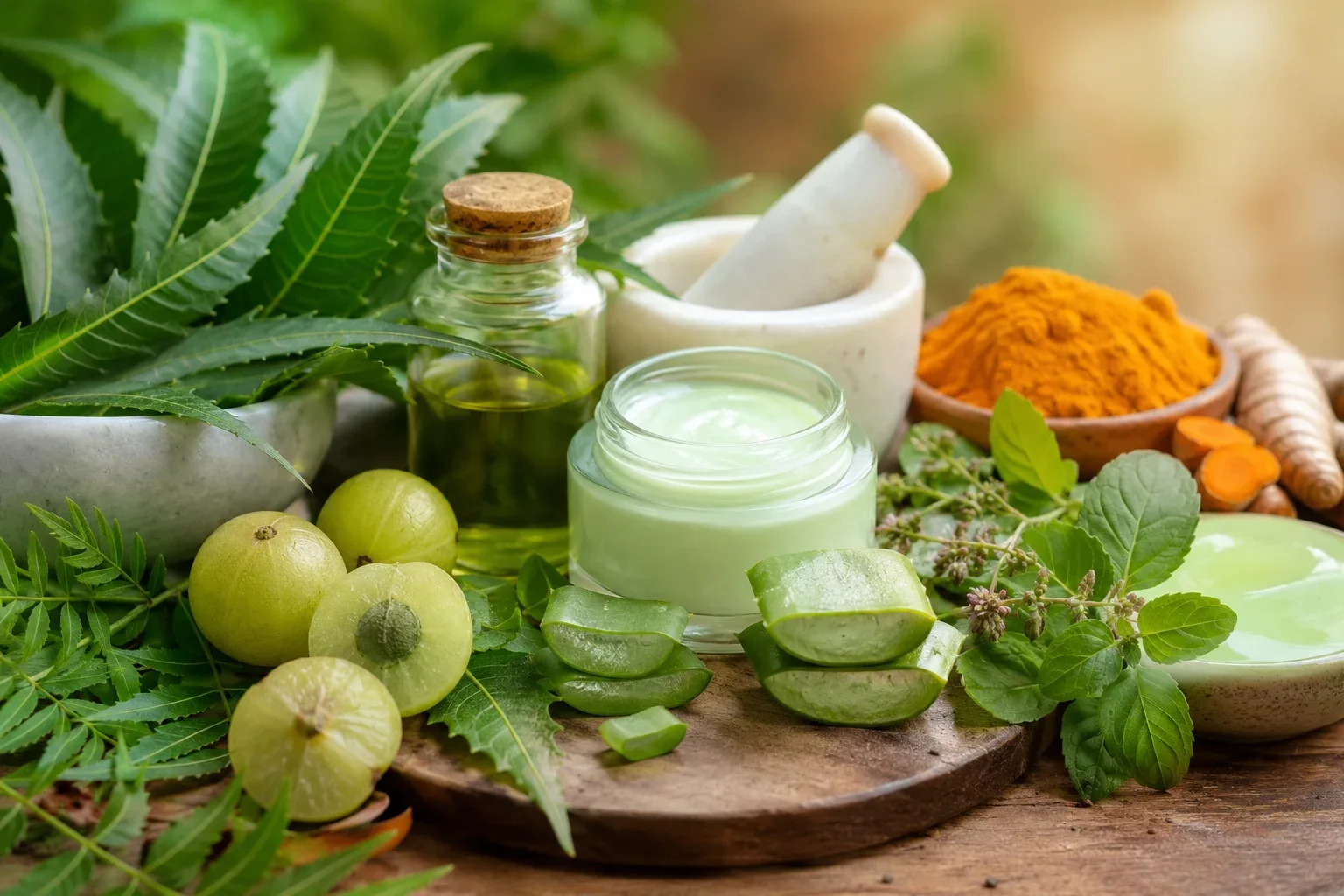
Launching an Ayurvedic product line is an exciting step, but the manufacturer you choose will shape almost everything that follows. Product quality, regulatory safety, delivery timelines, and customer trust all depend on this partnership.
Yet many brands, especially startups and first-time owners, make avoidable errors during the selection process. These mistakes can lead to delayed launches, compliance problems, and wasted investment. Here are the most common ones, and how to steer clear of them.
1. Making Price the Deciding Factor
It is natural to compare quotations and lean toward the lowest one. But in Ayurvedic manufacturing, a low price often means compromises: lower-grade herbs, minimal testing, or inconsistent processes.
Customers who buy Ayurvedic products expect purity and results. If your product disappoints, a few savings on production will not compensate for lost repeat sales and a damaged reputation.
What to do instead: Evaluate the full picture, including raw material quality, testing procedures, packaging, and support, not just the cost per unit.
2. Not Verifying Licenses and Certifications
Some brands take a manufacturer's claims at face value. In India, Ayurvedic products must be made under valid licenses and in facilities that follow recognized standards. Working with a manufacturer whose paperwork is incomplete or outdated can expose your brand to legal action, product seizures, or removal from online marketplaces.
What to do instead: Ask for copies of GMP, FSSAI, and AYUSH-related licenses, and confirm that they are valid and cover the product category you plan to launch.
3. Never Visiting the Manufacturing Facility
A professional website and a well-designed brochure do not show how products are actually made. Brands that skip facility checks may later discover poor hygiene, outdated equipment, or weak storage conditions.
What to do instead: Visit the plant or request a detailed video walkthrough. Look at cleanliness, equipment, raw material storage, testing areas, and documentation practices.
4. Overlooking Raw Material Sourcing and Testing
In Ayurveda, the quality of herbs and ingredients directly affects the final product. Adulterated, poorly stored, or wrongly identified raw materials can reduce effectiveness or even create safety concerns.
Many brands never ask where ingredients come from or how they are checked. That is a costly oversight.
What to do instead: Ask how raw materials are sourced, verified, and tested before use. A reliable manufacturer will explain its process clearly and provide batch-wise quality documentation.
5. Choosing a Manufacturer with Limited Capabilities
Your first product may be a single capsule or syrup, but your brand will likely grow. If your manufacturer handles only one or two formats, you may need to find new vendors later, which complicates quality control, pricing, and logistics.
What to do instead: Look for a partner that offers a wide range of formats, such as capsules, tablets, syrups, softgels, oils, churnas, and lehyam, along with nutraceutical and food supplement options if you plan to expand beyond classical Ayurveda.
6. Ignoring R&D and Customization Support
Relying only on ready-made formulas can leave your brand with products identical to competitors'. In a competitive market, differentiation matters.
A manufacturer with in-house R&D can help you develop customized formulations, adjust existing recipes, and respond to new wellness trends. Brands that overlook this often struggle to stand out.
What to do instead: Ask about the R&D team, past development work, and how customization requests are handled.
7. Overlooking Minimum Order Quantities
Rigid MOQs can be a serious obstacle. Ordering too much stock ties up capital and risks expiry before the products sell. Ordering too little with a manufacturer who cannot scale can leave you short when demand rises.
What to do instead: Discuss MOQs early. Choose a manufacturer who offers flexible quantities for initial launches and can handle larger volumes as you grow.
8. Neglecting Label and Packaging Compliance
A great formulation can be undermined by a poorly designed or non-compliant label. Incorrect claims, missing details, or unclear ingredient lists can lead to regulatory trouble and weaken customer confidence.
Many brands treat packaging as an afterthought and only discover problems after printing.
What to do instead: Work with a manufacturer that understands labeling requirements and offers private label support, so your brand name and logo appear correctly on every product.
9. Underestimating Timelines and Communication
Delays happen in manufacturing, but poor communication makes them worse. Missed deadlines can mean stockouts, delayed campaigns, and lost sales during peak seasons.
What to do instead: Ask about production schedules, dispatch processes, and delivery capability across India. Pay attention to how responsive the manufacturer is during early discussions, since this often reflects how the working relationship will be.
10. Skipping a Clear Written Agreement
Verbal promises are not enough. Without a proper agreement, brands can face disputes over pricing, exclusivity, formula ownership, or quality standards.
What to do instead: Document everything in writing, including pricing, timelines, quality parameters, confidentiality, and ownership of formulations. A trustworthy manufacturer will welcome this transparency.
A Quick Checklist Before You Decide
Before finalizing any manufacturing partner, confirm that they offer:
- Valid GMP, FSSAI, and AYUSH certifications
- A transparent, verifiable manufacturing facility
- Documented raw material testing and quality checks
- A broad range of product formats
- In-house R&D and customization support
- Flexible MOQs
- Private label and compliant packaging support
- Reliable delivery and clear communication
- A written agreement covering all key terms
A manufacturer that meets these criteria is not just a supplier. It becomes a long-term partner in your brand's growth.
Build Your Brand with the Right Manufacturing Partner
At Kai Herbals, we support startups, brand owners, and direct selling businesses across India with third-party manufacturing, private label solutions, in-house R&D, and flexible MOQs. As a GMP, FSSAI, and AYUSH certified manufacturer, we produce capsules, tablets, syrups, softgels, oils, churnas, lehyam, wellness juices, and more.
Choosing the right Ayurvedic third party manufacturer in India is a decision that affects your product quality, your customers' trust, and your long-term success. By avoiding these common mistakes, you give your brand a stronger and more reliable start.

 English
 Arabic
 French
 Spanish
 Deutsch
 Turkish
 Dutch
 Italiano
 Russian
 Romaian
 Portuguese (Brazil)
 Greek