


MLB The Show 26 Free Pitcher Sequencing Tips by U4GM
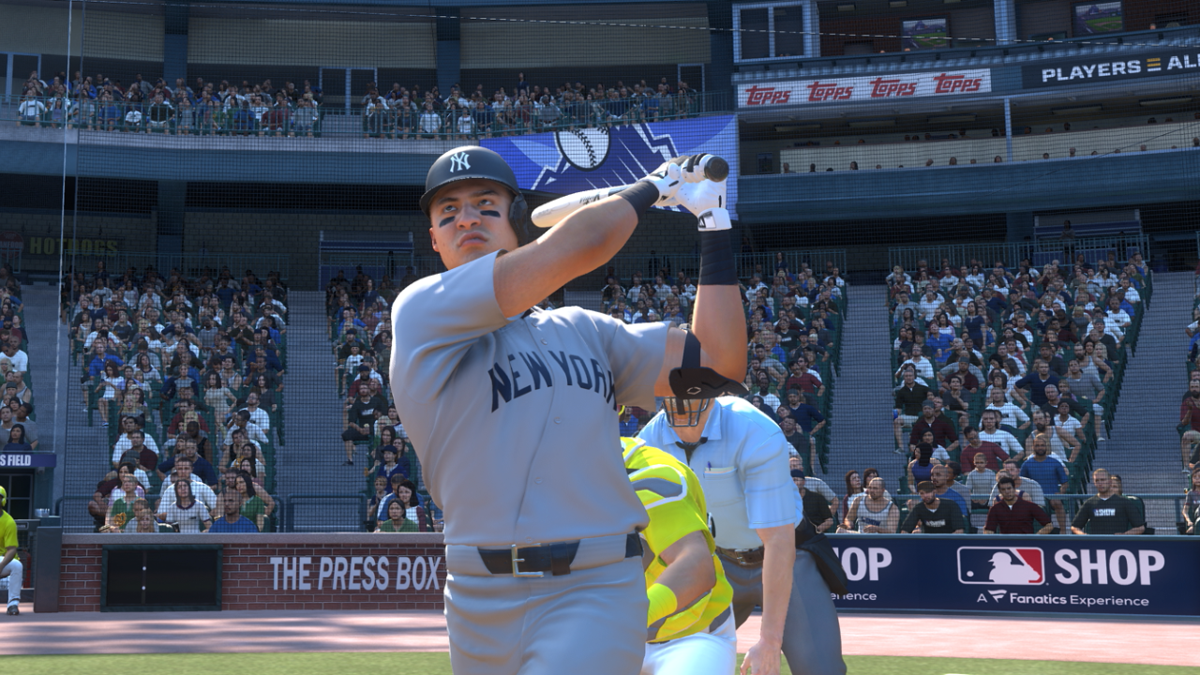
MLB The Show 26 lets you choose pitch type and location, so build each free pitcher's sequence around the pitches you can place consistently, then adjust to the hitter's response. Pitch History and Batter Analysis are available before pitch selection to help you review your approach. Before spending on MLB The Show 26 Stubs, identify which pitching option your free staff actually lacks.
Pitch selection and execution need the same plan
A useful sequence needs both a target and a repeatable input: Pinpoint requires a gesture and release timing, while Meter uses inputs to set power and accuracy. Keep your chosen interface consistent during evaluation so you can distinguish an awkward delivery from a poor pitch choice.
Parallel progression also changes the card you're evaluating, with MLB The Show 26 offering personalized attribute boosts through Parallel XP 2.0. Compare the versions currently in your inventory, then treat pitch mix, stamina and matchup coverage as separate checks before choosing your staff.
1 Give each free pitcher a clear assignment
Start by deciding how you'll use each World Baseball Classic Series or 2026 Finest Series arm before planning elaborate sequences. A starter needs a sustainable approach across repeated plate appearances, while a reliever should offer a useful change from the pitcher leaving the game.
Inspect the card before assigning its job.
• Check the listed arsenal and identify a pitch you can locate for a strike with your chosen pitching interface.
• Compare stamina and Parallel level when choosing between free starters from the World Baseball Classic Series and 2026 Finest Series.
• Give your bullpen both left-handed and right-handed options, with different arm slots and complementary pitch types.
For your first practice outing, give each pitcher a simple job: establish strikes, change the hitter's timing, or offer a different movement pattern. These are planning choices, so revise them when an arm's actual execution fails to support the assignment.
2 Let the count and swing response choose the follow-up
Use your first located strike to learn what the hitter is prepared to swing at, then select a follow-up that challenges that reaction. In Ranked, a fixed opening pitch and automatic follow-up can give your opponent a pattern to anticipate.
Use these checks to choose your next target.
• Pitch History and Batter Analysis are available before pitch selection, giving you tools to review your previous choices before committing to another pitch.
• With a favorable count, consider expanding beyond the zone only when the hitter has shown a willingness to follow that location.
• When you're behind in the count, prioritize a pitch and target you can execute for a strike before attempting another speculative chase.
For example, try a slower option after a hitter commits early to hard stuff, provided that pitch belongs to your card's arsenal and you can control it. When the opponent takes that slower pitch comfortably, return to your reliable strike target and change the location or order; the first response hasn't earned an automatic repeat.
3 Prepare the bullpen before your sequence loses its purpose
Prepare a different look when your starter's current approach stops producing manageable plate appearances. Check the active mode first, because Events can impose roster restrictions and different game rules that change how you should manage your pitchers.
Match your preparation to the game you're entering.
• Review the current Event's roster requirements before building a plan around a particular free pitcher.
• Use Conquest, Mini Seasons or Diamond Quest outings to give under-used free arms opportunities to build Parallel XP.
• Rehearse unfamiliar pitch sequences in Practice or offline games before asking that pitcher to protect a close Ranked lead.
Choose the next reliever for the problem in front of you: handedness, a different release, or a pitch type your starter couldn't offer reliably. Keep your established competitive options ready while developing another arm, because progression time has a practical cost when it replaces innings you could spend refining an already useful pitcher.
What should you check before your next Ranked game
Choose your starter, confirm the current Parallel version, and rehearse a reliable strike pitch plus a contrasting follow-up before reviewing bullpen coverage. When that review exposes a specific roster gap, you can consider MLB 26 Stubs for sale while planning your next targeted addition. Give each new free arm meaningful innings first, then spend only when you can explain what the replacement adds to your pitching plan.

 English
 Arabic
 French
 Spanish
 Portuguese
 Turkish
 Dutch
 Italiano
 Russian
 Romaian
 Portuguese (Brazil)
 Greek