


How to Identify Quality Facelift Care in Islamabad
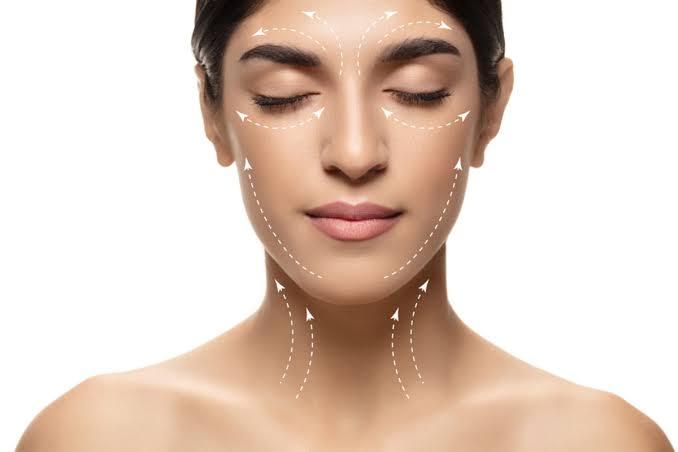
A facelift is a cosmetic surgical procedure designed to address visible signs of facial ageing, including sagging skin, deep folds, loose jawline contours, and changes around the lower face and neck. As people become more interested in facial rejuvenation, choosing the right clinic and surgeon has become an important part of the treatment journey. However, finding quality facelift care requires more than comparing prices or looking at before-and-after photographs.
For individuals considering a facelift in Islamabad, understanding surgical qualifications, clinic standards, consultation practices, treatment options, and post-operative care can help them make informed decisions. A professional approach prioritises patient safety, realistic expectations, personalised treatment planning, and appropriate medical supervision.
What Defines Quality Facelift Care?
Quality facelift care involves a complete treatment process, beginning with an initial consultation and continuing through surgery and recovery. A reliable clinic should focus on the patient's facial anatomy, individual concerns, medical history, and desired results rather than recommending the same procedure to everyone.
Several factors help identify professional facelift services:
-
Qualified plastic surgeon: The procedure should be performed by a properly trained and qualified plastic surgeon with relevant surgical experience.
-
Individual treatment planning: Facial structure, skin elasticity, ageing patterns, and aesthetic goals should guide the surgical approach.
-
Patient safety: Appropriate medical facilities, hygiene protocols, anaesthesia arrangements, and emergency preparedness are essential.
-
Clear communication: Patients should receive understandable information about the procedure, possible complications, recovery, and expected outcomes.
-
Post-operative support: Follow-up appointments and recovery guidance should be part of the treatment plan.
These factors help patients distinguish professional surgical care from services that focus primarily on promotional offers.
Check the Surgeon's Qualifications and Experience
One of the most important steps in identifying quality facelift care is reviewing the surgeon's professional background. A facelift requires detailed knowledge of facial anatomy, skin and underlying tissue structures, surgical techniques, and facial proportions.
Patients should verify whether their surgeon has recognised qualifications in plastic surgery and relevant experience with facial rejuvenation procedures.
During the consultation, consider asking:
-
What are your qualifications and surgical training?
-
How frequently do you perform facelift procedures?
-
Which facelift techniques do you offer?
-
What complications should patients understand?
-
Who will supervise the recovery process?
An experienced surgeon should be comfortable discussing both the benefits and limitations of surgery. They should also explain why a particular approach may or may not be suitable for an individual patient.
Evaluate the Consultation Process
A detailed consultation is another important indicator of professional facelift care. It allows the surgeon to understand the patient's concerns and determine whether surgery is an appropriate option.
A quality consultation should include an assessment of:
Facial structure: The surgeon examines the jawline, cheeks, lower face, neck, and areas showing visible ageing.
Skin condition: Skin elasticity and existing wrinkles help determine the potential benefits of different facelift techniques.
Medical history: Previous surgeries, medications, allergies, smoking habits, and existing health concerns should be discussed.
Aesthetic expectations: Patients should explain what they hope to achieve, while the surgeon provides realistic guidance about possible improvements.
A trustworthy clinic will not pressure patients into making immediate decisions. Instead, it should provide sufficient information and time to consider the available options.
Understand Different Facelift Techniques
Not every patient requires the same type of facelift. The appropriate procedure depends on the degree of facial ageing, skin laxity, anatomical features, and treatment goals.
Some commonly discussed facelift approaches include:
-
Traditional facelift: Generally addresses moderate to advanced sagging around the cheeks, jawline, and lower face.
-
Mini facelift: A less extensive surgical approach that may be suitable for selected patients with early signs of facial sagging.
-
SMAS facelift: Focuses on repositioning deeper facial support tissues to improve facial contours.
-
Neck lift: May be performed alongside a facelift when loose neck skin or other neck-related concerns are present.
Patients should understand that these procedures are not interchangeable. A qualified surgeon can recommend the most appropriate option after examining facial anatomy and discussing individual expectations.
Review Clinic Facilities and Patient Safety Standards
The quality of the surgical environment is just as important as the surgeon's experience. Facelift surgery should take place in an appropriately equipped medical facility with suitable infection-control procedures and anaesthesia support.
Before selecting a clinic, consider the following:
-
Is the surgical facility properly equipped for the planned procedure?
-
Are hygiene and sterilisation practices maintained?
-
Is qualified anaesthesia support available?
-
Are emergency arrangements in place?
-
Does the clinic provide clear pre-operative instructions?
Patients should also understand where the procedure will take place. A professional consultation should clearly explain the surgical setting and the medical team involved.
Look Beyond Before-and-After Photographs
Before-and-after photographs can help patients understand a surgeon's aesthetic approach, but they should not be the only factor influencing their decision.
When reviewing results, look for consistency, natural-looking facial contours, and improvements that suit the patient's original facial structure.
It is also important to remember that individual results vary. Factors such as age, skin quality, healing response, surgical technique, and lifestyle can influence the final outcome.
Rather than expecting to look exactly like someone in a photograph, patients should discuss achievable improvements with their surgeon.
Consider Recovery and Aftercare Services
Facelift care does not end when surgery is completed. Recovery requires appropriate medical guidance, follow-up appointments, and attention to healing.
Patients may experience temporary swelling, bruising, tightness, and discomfort after surgery. These effects generally improve over time, although recovery varies between individuals.
A responsible clinic should explain:
-
How to care for surgical incisions.
-
When normal daily activities can gradually resume.
-
Which activities should temporarily be avoided.
-
How to manage prescribed medications.
-
When follow-up appointments are required.
-
Which symptoms require immediate medical attention.
Patients should also receive a clear contact pathway for concerns that arise during recovery.
Why Consider SKN Cosmetics in Islamabad for Facelift Care?
When exploring facelift options, patients may consider SKN Cosmetics in Islamabad as one of the clinics to research during their selection process. Located in F-7 Markaz, Islamabad, the clinic offers cosmetic and aesthetic services for individuals interested in facial and body enhancement.
Dr. Naveed Azhar, a qualified plastic surgeon with FCPS credentials and experience in cosmetic and body contouring surgery, is among the professionals associated with the clinic.
Individuals considering facelift surgery should arrange a consultation to discuss their facial concerns, surgical suitability, available techniques, and expected recovery. They should also verify the surgeon's experience with facelift procedures, understand the surgical arrangements, and review the aftercare plan before making a decision.
The best treatment choice should always be based on professional assessment, patient safety, and realistic expectations rather than promotional claims alone.
How to Make a Confident Facelift Decision
Choosing quality facelift care requires careful research and open communication with the medical team. Patients should compare professional qualifications, consultation standards, surgical facilities, treatment recommendations, and follow-up arrangements before proceeding.
A good facelift experience is not simply about achieving a younger appearance. It is about selecting an appropriate procedure, understanding potential risks, and receiving responsible medical care throughout the process.
Taking time to evaluate these factors can help individuals in Islamabad make more informed decisions about facial rejuvenation.
Meta Description
Discover how to identify quality facelift care in Islamabad by evaluating surgeon qualifications, clinic facilities, surgical techniques, safety, and aftercare.
Frequently Asked Questions (FAQs)
Q1. How can I identify a good facelift clinic in Islamabad?
Check surgeon qualifications, surgical facilities, patient safety standards, consultation quality, and aftercare services.
Q2. What qualifications should a facelift surgeon have?
A facelift surgeon should have recognised plastic surgery qualifications and relevant experience in facial rejuvenation procedures.
Q3. Which facelift technique is best?
The best technique depends on facial anatomy, skin laxity, ageing concerns, and individual treatment goals.
Q4. How long does facelift recovery take?
Initial recovery generally takes a few weeks, while swelling and final healing may take several months.
Q5. Is a facelift suitable for everyone?
No. Suitability depends on overall health, medical history, facial ageing, skin condition, and realistic expectations.

 English
 Arabic
 French
 Spanish
 Portuguese
 Deutsch
 Turkish
 Dutch
 Italiano
 Romaian
 Portuguese (Brazil)
 Greek