


Muscle Spasms Explained: Why They Happen & How to Get Relief
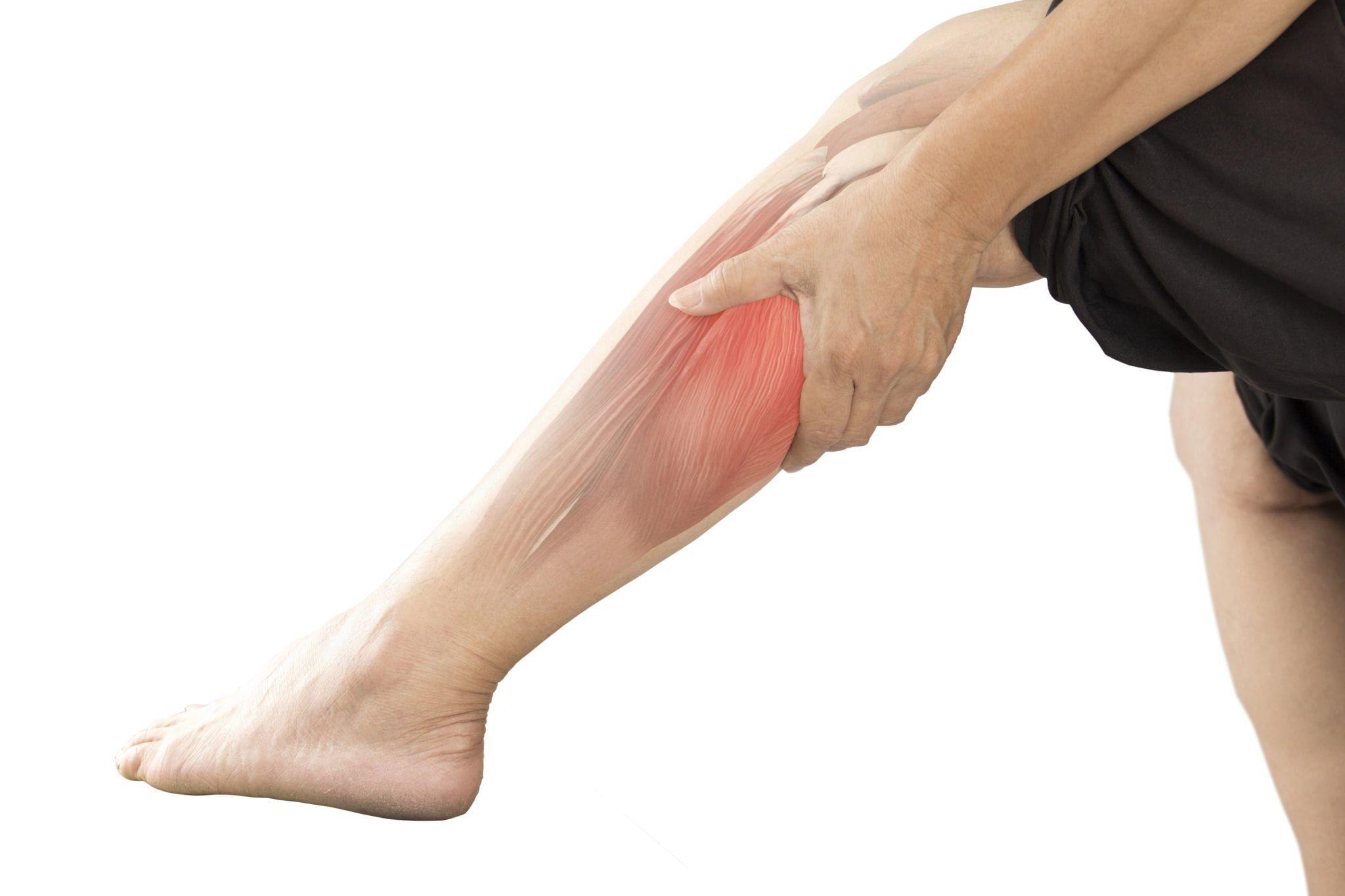
Muscle spasms are sudden, involuntary contractions of one or more muscles that can cause sharp pain and discomfort. These spasms can occur in any part of the body but are most common in the legs, back, and neck. While they are usually harmless, frequent or severe muscle spasms can interfere with daily activities and reduce quality of life.
Understanding why muscle spasms happen and how to manage them effectively can help you find quick relief and prevent future episodes.
What Are Muscle Spasms?
A muscle spasm (cramp) occurs when a muscle contracts tightly without control and fails to relax. This can last for a few seconds or several minutes, depending on the cause and severity. In some cases, the affected muscle may feel hard to the touch and visibly twitch.
Muscle spasms are often temporary, but recurring spasms may indicate an underlying issue such as muscle strain, dehydration, or nerve-related conditions.
Why Do Muscle Spasms Happen?
There are several reasons why muscle spasms occur. Identifying the root cause is essential for effective treatment.
1. Muscle Overuse
Excessive physical activity or repetitive movements can strain the muscles, leading to spasms. Athletes and individuals involved in heavy physical work are more prone to this condition.
2. Dehydration
Lack of proper hydration can disrupt the balance of electrolytes in the body, such as potassium, calcium, and magnesium. This imbalance can trigger muscle contractions.
3. Poor Blood Circulation
Reduced blood flow to muscles, especially in the legs, can cause cramping and spasms. This is often seen during prolonged sitting or standing.
4. Nerve Compression
Conditions like a herniated disc or spinal issues can put pressure on nerves, leading to muscle spasms in the back or legs.
5. Nutritional Deficiencies
Low levels of essential minerals can increase the risk of spasms and muscle stiffness.
6. Stress and Fatigue
Mental stress and physical fatigue can affect muscle function, making spasms more likely.
Common Symptoms of Muscle Spasms
Muscle spasms are usually easy to recognize. Common symptoms include:
- Sudden, sharp pain in the affected muscle
- Tightness or stiffness
- Visible twitching or movement under the skin
- Temporary loss of muscle control
In most cases, symptoms subside on their own, but severe spasms may require treatment.
How to Get Relief from Muscle Spasms
Relieving muscle spasms involves both immediate care and long-term prevention strategies.
1. Stretching and Massage
Gently stretching the affected muscle can help it relax. Massaging the area improves blood flow and reduces tension.
2. Apply Heat or Cold Therapy
- Heat helps relax tight muscles
- Cold packs reduce inflammation and pain
Using the right therapy depends on the cause of the spasm.
3. Stay Hydrated
Drinking enough water and maintaining electrolyte balance can prevent spasms caused by dehydration.
4. Rest the Muscle
Avoid activities that strain the affected muscle until it fully recovers.
5. Medications for Relief
In cases of severe or persistent muscle spasms, doctors may prescribe muscle relaxants such as Prosoma 350mg. This medication contains carisoprodol and works by acting on the central nervous system to reduce muscle tension and discomfort.
It is typically recommended for short-term use along with rest and physical therapy to support recovery.
When to Use Prosoma 350 mg
Prosoma 350 mg is usually prescribed when muscle spasms are intense or do not respond to basic treatments. It helps:
- Reduce muscle stiffness
- Relieve pain caused by acute injuries
- Improve mobility and comfort
However, it should only be used under medical supervision and for a limited duration.
Preventing Muscle Spasms
Preventing muscle spasms is often possible with simple lifestyle changes.
1. Maintain Proper Hydration
Drink enough fluids, especially during physical activity or hot weather.
2. Warm Up Before Exercise
Preparing your muscles before intense activity reduces the risk of strain.
3. Maintain a Balanced Diet
Ensure adequate intake of essential minerals like potassium, calcium, and magnesium.
4. Practice Good Posture
Poor posture can strain muscles and lead to spasms, particularly in the back and neck.
5. Regular Stretching
Incorporating stretching into your daily routine keeps muscles flexible and less prone to cramping.
When to See a Doctor
While most muscle spasms are harmless, medical attention may be required if:
- Spasms occur frequently
- Pain is severe or persistent
- There is swelling or redness
- The spasm is caused by an injury
A healthcare professional can determine the underlying cause and recommend appropriate treatment.
Conclusion
Muscle spasms are a common condition that can result from overuse, dehydration, or underlying health issues. Although they are usually temporary, they can cause significant discomfort. Simple remedies like stretching, hydration, and rest can provide quick relief in most cases.
For more severe symptoms, medications such as Prosoma 350 mg may be prescribed to relax muscles and ease pain. By understanding the causes and adopting preventive measures, you can effectively manage muscle spasms and maintain better muscle health.

 Arabic
 French
 Spanish
 Portuguese
 Deutsch
 Turkish
 Dutch
Dutch
 Italiano
 Russian
 Romaian
 Portuguese (Brazil)
 Greek
Greek