


Practical Uses of Transparent Masking Tape in Industrial and Everyday Applications
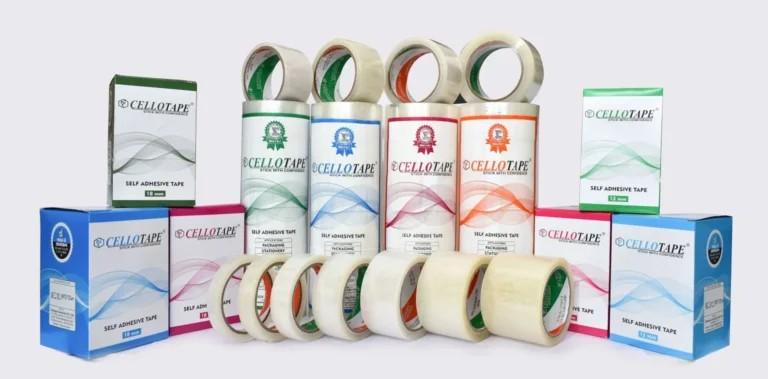
Adhesive tapes are widely used in various industries for masking, protection, labeling, and light bonding tasks. Among the many options available, transparent masking tape has gained attention for its versatility and ease of use. Unlike traditional masking tapes that are usually opaque, transparent masking tape allows visibility of surfaces while still providing masking functionality. This makes it suitable for applications where accuracy and clean results are important.
Transparent masking tape is commonly used in painting, packaging, crafting, labeling, and light-duty industrial applications. Its easy-to-remove adhesive and flexible structure make it a practical option for temporary applications. Because of these features, transparent masking tape is used across industries including automotive, construction, printing, and household tasks.
One of the key advantages of transparent masking tape is that it provides temporary adhesion without leaving significant residue under suitable conditions. This makes it useful in tasks that require temporary masking or surface protection. As industries continue to look for convenient and flexible adhesive solutions, transparent masking tape remains a practical option.
What Is Transparent Masking Tape?
Transparent masking tape is a pressure-sensitive adhesive tape designed for temporary masking applications. It combines transparency with easy removal properties, making it useful for tasks where visibility is required.
Common features of transparent masking tape include:
- transparent surface for visibility
- easy application and removal
- flexible structure
- suitable for temporary use
- light adhesive strength
These features make it useful in various applications.
Applications in Painting and Surface Protection
One of the most common uses of transparent masking tape is in painting applications. It helps cover areas that should not be painted while allowing users to see the surface underneath.
Painting applications include:
- masking edges before painting
- protecting surfaces from paint
- creating clean paint lines
- covering small areas
- temporary surface protection
These applications make it useful in painting projects.
Use in Packaging and Labeling
Transparent masking tape is also used in packaging and labeling tasks. It can be applied for temporary sealing and identification.
Packaging uses include:
- temporary carton sealing
- label attachment
- marking packages
- bundling lightweight items
- organizing materials
These uses make it practical in packaging environments.
Relevance in Automotive Applications
Automotive applications often require masking during painting and detailing work. Transparent masking tape is used to protect surfaces and create clean lines.
Automotive uses include:
- vehicle painting preparation
- surface masking
- temporary protection
- detailing work
- trim protection
These applications highlight versatility.
Use in Printing and Craft Work
Transparent masking tape is commonly used in printing and craft applications where precision is required. Its transparency allows accurate placement.
Craft and printing uses include:
- artwork masking
- paper alignment
- craft projects
- template positioning
- design work
These uses support creative applications.
Benefits of Transparent Masking Tape
Transparent masking tape offers several benefits that make it suitable for different applications.
Some advantages include:
- visibility during application
- easy removal
- clean finish
- flexible use
- suitable for temporary applications
These benefits contribute to its popularity.
Use in Industrial Applications
Transparent masking tape is also used in industrial environments for temporary masking and protection.
Industrial applications include:
- surface protection
- temporary labeling
- assembly masking
- packaging support
- product identification
These uses highlight industrial relevance.
Importance of Surface Preparation
Proper surface preparation helps improve adhesion and performance. Clean and dry surfaces allow better application.
Some practical tips include:
- clean surface before use
- apply even pressure
- ensure dry conditions
- avoid dust and oil
- remove carefully
These steps improve results.
Choosing the Right Masking Tape
Selecting the right masking tape depends on application needs. Factors such as adhesive strength and surface type should be considered.
Selection factors include:
- surface material
- duration of application
- temperature conditions
- adhesive strength
- tape width
Proper selection ensures better performance.
Advantages in Everyday Applications
Transparent masking tape is useful in everyday tasks. Its flexibility and ease of use make it suitable for multiple purposes.
Some everyday uses include:
- home repair tasks
- labeling items
- craft projects
- packaging support
- temporary fixing
These uses increase its demand.
Role in Construction and Interior Work
Construction and interior projects often require masking and surface protection. Transparent masking tape helps with temporary applications.
Construction uses include:
- surface masking
- painting preparation
- trim protection
- marking areas
- temporary fixing
These applications highlight practicality.
Final Thoughts
Transparent masking tape is a versatile adhesive solution used across industries and everyday tasks. Its transparency, easy removal, and flexible usage make it suitable for painting, packaging, labeling, and craft applications.
With its ability to provide temporary masking and clean results, transparent masking tape continues to be a practical choice for both industrial and general use. Its versatility and ease of handling make it an important adhesive solution for various applications.

 English
 Arabic
 Spanish
 Portuguese
 Deutsch
 Turkish
 Dutch
Dutch
 Italiano
 Russian
 Romaian
 Portuguese (Brazil)
 Greek
Greek