


How to Feed a Black Cockatoo (Without Getting It Wrong… Because It’s Easier Than You Think to Mess Up)
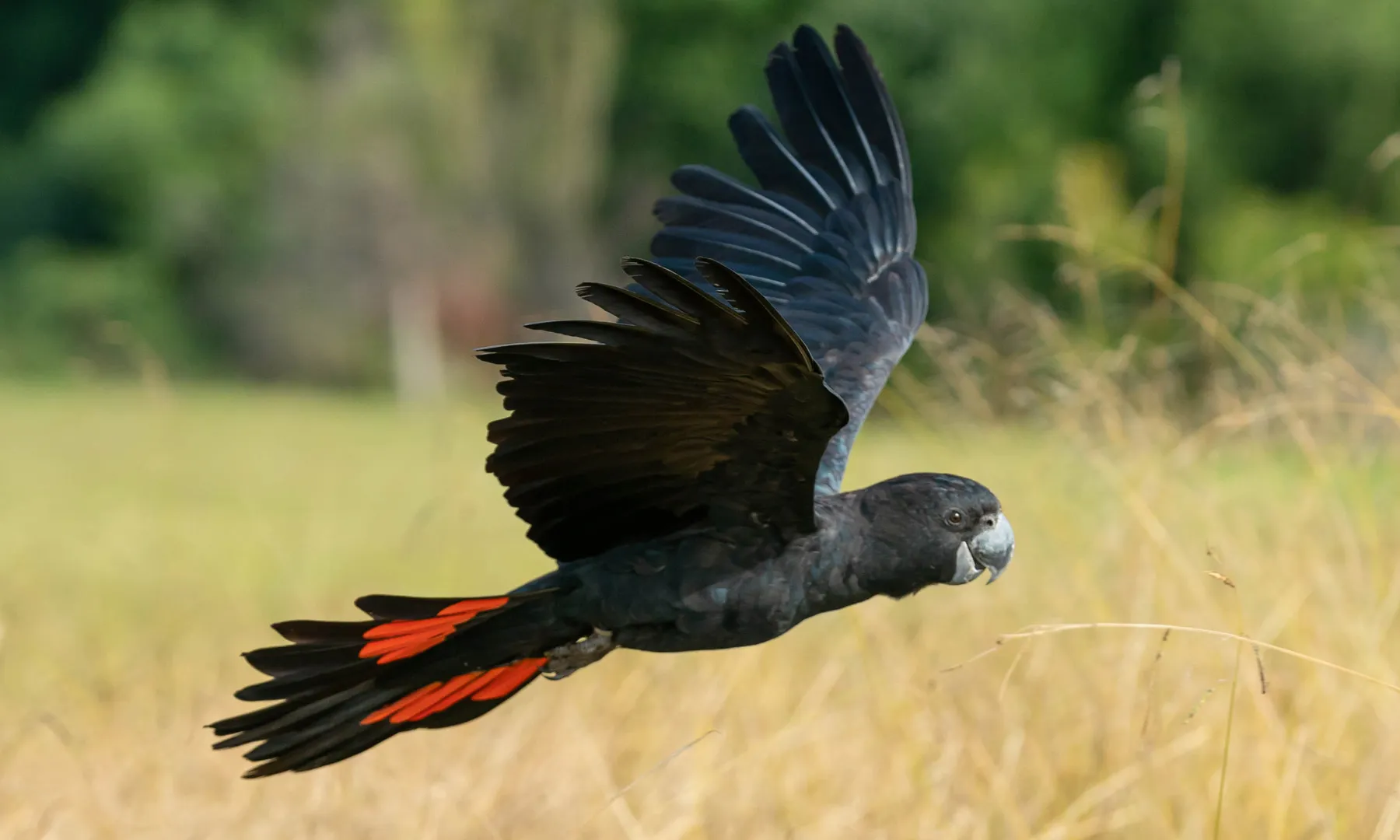
It’s Not Just “Food in a Bowl” — There’s More Going On
Feeding a black cockatoo sounds simple at first. You put food in a bowl, they eat, done.
But… yeah, not really.
These birds—Palm cockatoos, Red-tailed, Yellow-tailed—have pretty specific dietary needs. And if you don’t get the balance right, it can affect their feathers, energy, even behavior. Slowly, sometimes. Which makes it easy to miss at first.
Understanding What Black Cockatoos Actually Eat
In the wild, black cockatoos don’t stick to one thing. They eat a mix—seeds, nuts, fruits, even bits of vegetation depending on the species.
So in captivity, the goal is to replicate that variety, not simplify it.
I think that’s where people go wrong. They try to make feeding easier… but end up making it less balanced.
Base Diet: Pellets (Yes, Even for Black Cockatoos)
A high-quality pellet should form a big part of the diet. Maybe around 50–60%, give or take.
Pellets help cover nutritional gaps—vitamins, minerals, all the stuff that’s hard to balance manually.
But here’s the catch: some black kakatua for sale are picky. Really picky. They might ignore pellets at first, which can get frustrating.
Transitioning takes time. Sometimes a lot of time.
Nuts and Seeds (Important, But Don’t Overdo It)
Black cockatoos naturally eat a lot of nuts, especially species like Palm cockatoos.
So yes—nuts are important. Not just treats.
You can include:
- Almonds
- Walnuts
- Macadamia nuts (in moderation)
- Sunflower seeds (not too many)
But here’s the tricky part—too many fatty foods can lead to health issues. So it’s about balance, not restriction or overload. Somewhere in between.
Fresh Fruits and Vegetables (Adds Variety… and Nutrients)
This part keeps the diet interesting—and healthier.
Try offering:
- Apples (no seeds)
- Berries
- Carrots
- Leafy greens
- Sweet potatoes
Not every bird will accept everything. Mine ignored carrots for weeks before suddenly deciding they were acceptable. No idea why.
So yeah, you might have to experiment a bit.
Foraging Matters More Than You Think
Feeding isn’t just about nutrition—it’s also about activity.
In the wild, black cockatoos spend time working for food. Cracking shells, searching, exploring.
You can recreate that by:
- Hiding food in toys
- Using puzzle feeders
- Offering nuts in shells
It keeps them mentally engaged. Otherwise… boredom creeps in. And bored cockatoos? Not fun.
Feeding Routine (Structure Helps… Usually)
Black cockatoos tend to do well with routine.
You might feed:
- Morning: pellets + fresh foods
- Evening: pellets + nuts or treats
It doesn’t have to be exact, but consistency helps them feel secure. Less stress, fewer random behavior issues—well, fewer.
Foods to Avoid (This Part Is Non-Negotiable)
Some foods are dangerous for all parrots, including black cockatoos:
- Avocado
- Chocolate
- Caffeine
- Alcohol
- Salty or processed foods
Even small amounts can be harmful. It’s not something to “test and see.”
Watch How They Eat (Not Just What They Eat)
Sometimes the signs aren’t in the food—they’re in the behavior.
Look for:
- Sudden loss of appetite
- Only eating certain foods
- Dropping food more than usual
These small changes can signal problems early. Not always, but often enough to pay attention.
Portion Control (They Will Overeat If You Let Them)
Black cockatoos, especially with access to nuts, can eat more than they should.
It’s easy to overfeed without realizing.
You don’t need exact measurements, but you do need awareness. Watch their weight, their activity level—it all connects.
For more information about this pet bird or where to find black cockatoos for sale kindly check Chatty Bird Home.

 English
 Arabic
 French
 Portuguese
 Deutsch
 Turkish
 Dutch
Dutch
 Italiano
 Russian
 Romaian
 Portuguese (Brazil)
 Greek
Greek