


Timeless Beauty of Traditional Home Design
Introduction
Traditional home design is a style of architecture and interior planning that reflects cultural heritage, historical influences, and timeless aesthetics. It focuses on comfort, symmetry, and detailed craftsmanship, often inspired by regional customs and long-established building practices. Unlike modern minimalist designs, traditional homes emphasize warmth, richness, and a sense of history.
Key Features of Traditional Home Design
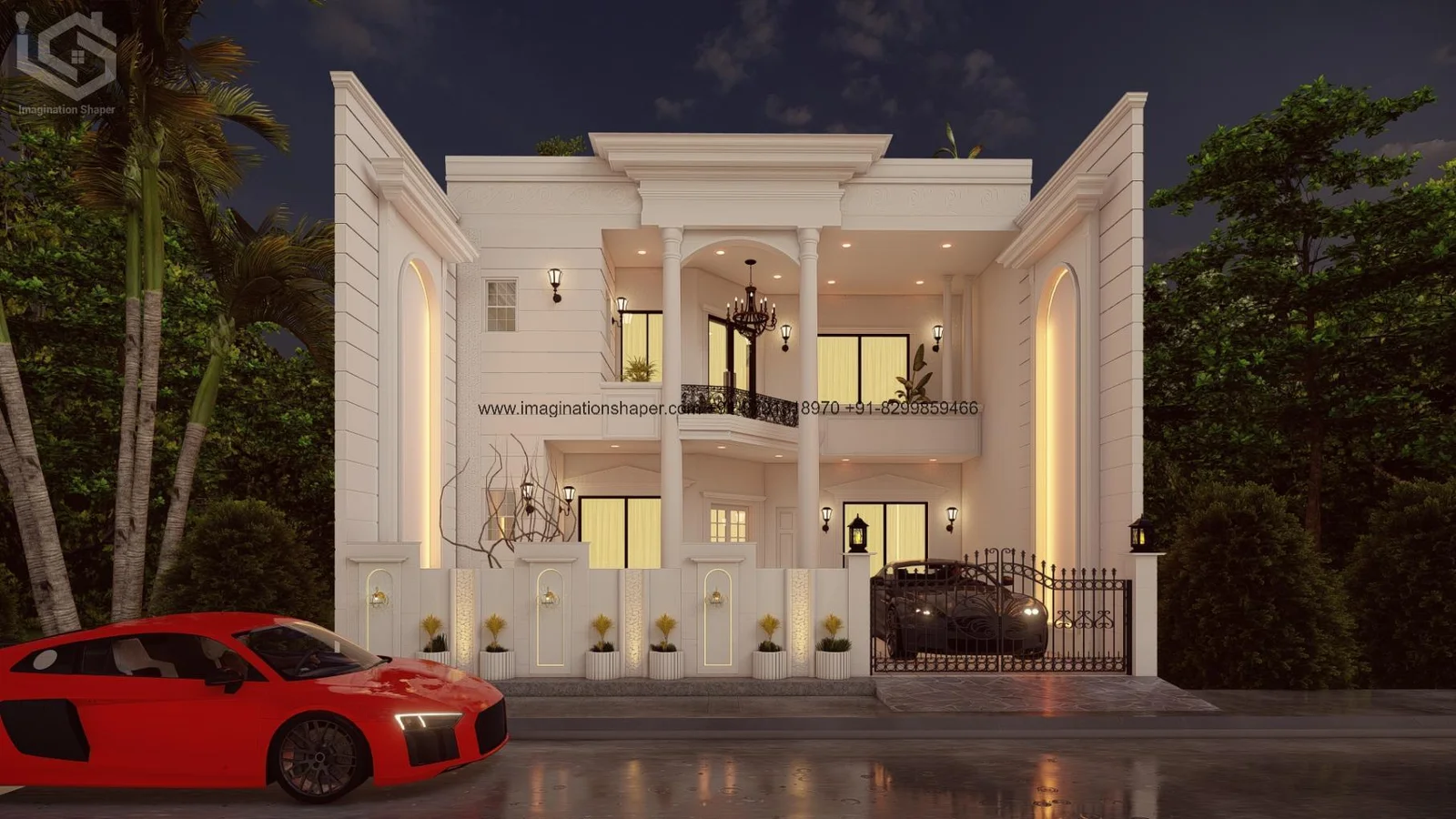
One of the most recognizable aspects of traditional home design is its attention to detail. These homes often include decorative moldings, carved woodwork, and elegant furniture with classic shapes. Symmetry plays an important role, with balanced room layouts and evenly placed architectural elements such as windows, doors, and fireplaces. Natural materials are also a defining feature. Wood, stone, clay, and brick are commonly used, giving the home a natural and grounded feel. The use of warm and neutral color palettes further enhances the cozy and inviting atmosphere.
Architectural Elements
Traditional homes often feature pitched roofs, arches, columns, and detailed facades. These elements not only add beauty but also reflect the architectural traditions of specific regions. For example, South Asian traditional homes may include courtyards and jharokhas, while European styles may feature chimneys and gabled roofs. Windows in traditional homes are typically larger and symmetrically placed to allow natural light while maintaining aesthetic balance. Wooden doors with intricate carvings are also a common feature, often serving as a focal point of the exterior design.
Interior Design Style
Inside a traditional home, furniture is usually classic and substantial in appearance. Upholstered sofas, wooden tables, and antique-style cabinets are commonly used. Fabrics such as silk, velvet, and cotton with floral or ornate patterns add elegance and texture to the rooms. Decorative items like paintings, rugs, chandeliers, and handcrafted artifacts play an important role in enhancing the traditional feel. Each piece is often chosen carefully to reflect culture, family heritage, or personal taste.
Advantages of Traditional Home Design
One major advantage of traditional home design is its timeless appeal. It does not go out of style easily and often increases the long-term value of the property. The design also promotes comfort and livability, making homes feel warm and welcoming. Additionally, traditional homes often use durable materials, which increases their longevity. The emphasis on craftsmanship ensures high-quality construction and attention to detail.
Conclusion
Traditional home design remains popular because it connects people to their cultural roots while providing a comfortable and elegant living space. Its blend of beauty, history, and practicality makes it a preferred choice for many homeowners who value timeless architecture and classic interior design.

 English
 Arabic
 French
 Spanish
 Portuguese
 Deutsch
 Turkish
 Italiano
 Russian
 Romaian
 Portuguese (Brazil)
 Greek
Greek