


Aero Function Body Kits Explained: Street vs Track Use
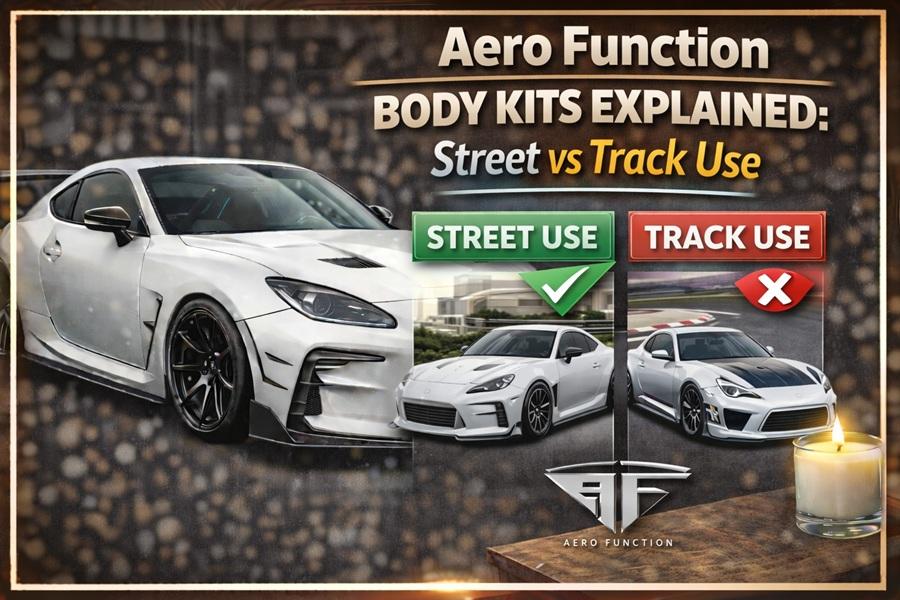
Not all body kits are created equal. Some are designed to turn heads at a stoplight, while others are engineered to keep a car glued to the asphalt at 120 mph. Understanding the difference between street-focused and track-focused aero function body kits is essential before you spend your money. This guide breaks down the key distinctions—materials, aerodynamics, durability, and usability—so you can choose the right kit for your driving style.
What Are Aero Function Body Kits?
Aero function body kits are exterior modifications designed to manage airflow around a vehicle. Unlike purely cosmetic kits, these components serve a purpose: reducing drag, increasing downforce, cooling brakes, and stabilizing the car at high speeds. The term aero function body kits covers everything from front splitters and canards to rear diffusers and large wings. However, the intended use—street or track—dictates the design philosophy and material choice.
Street-Focused Aero Function Body Kits
Street driving involves low to moderate speeds, frequent stops, speed bumps, and tight parking spaces. Street-oriented aero function body kits prioritize durability and subtlety over maximum downforce. Materials like polyurethane or ABS plastic are common because they flex upon impact and resist cracking from curb scrapes. Designs are usually conservative—a modest front lip, subtle side skirts, and a small rear spoiler. These kits enhance appearance and provide mild aerodynamic benefits without sacrificing ground clearance. They also maintain factory approach angles, so you won’t scrape on every driveway.
Track-Focused Aero Function Body Kits
Track driving demands maximum performance at high speeds, often exceeding 100 mph. Track-oriented aero function body kits prioritize downforce and stability over durability. Aggressive front splitters extend far forward, large canards redirect airflow, and towering rear wings generate significant downward force. Materials are often lightweight carbon fiber or fiberglass, as weight savings matter more than impact resistance. However, these kits sit very low, making them impractical for street driving. Speed bumps, potholes, and steep driveways will damage them. Track kits also require stiffer suspension to handle the increased aero load.
Key Differences at a Glance
-
Material: Street uses flexible polyurethane; track uses rigid carbon fiber or fiberglass.
-
Ground Clearance: Street kits offer near-stock clearance; track kits sit extremely low.
-
Downforce: Street kits provide mild stability; track kits generate significant, measurable downforce.
-
Durability: Street kits survive daily abuse; track kits are fragile and require careful handling.
-
Cost: Street kits are generally more affordable; track-grade aero can cost several thousand dollars.
Can You Use Track Aero on the Street?
Technically yes, but it’s rarely practical. Aggressive aero function body kits designed for track use will scrape on every incline, attract unwanted police attention, and may even reduce fuel efficiency due to increased drag at low speeds. Most enthusiasts maintain two setups or build a dual-purpose car with moderate aero.
Which Should You Choose?
If you daily drive your car and hit the track occasionally, a street-focused aero function body kits is the smarter choice. If you own a dedicated track car that lives on a trailer, go for full track aero. Overboost recommends starting with a polyurethane street kit—it offers the best balance of style, function, and durability for most drivers.
Frequently Asked Questions (FAQs)
1. Do aero function body kits actually improve performance on the street?
At legal speeds (under 60 mph), the aerodynamic benefits are minimal. However, they do improve high-speed stability on highways and add visual aggression. For real performance gains, track use is required.
2. What material is best for a daily-driven car?
Polyurethane (PU) or ABS plastic is best for daily drivers. These materials flex upon impact, resisting cracks from speed bumps, potholes, and minor collisions.
3. Will a track aero kit make my car slower on the street?
Yes, aggressive track aero creates drag at low speeds, which can slightly reduce acceleration and fuel economy. It also lowers ground clearance, making daily driving frustrating.
4. Can I install aero function body kits myself?
Lip kits and side skirts are often DIY-friendly with basic tools. Full splitters, canards, and wings may require drilling and professional alignment for proper function.
5. Does Overboost sell both street and track aero function body kits?
Absolutely. Overboost offers a curated selection of street-durable polyurethane kits and track-focused carbon fiber aero for serious enthusiasts. Visit Overboost to find the perfect match for your build.

 English
 Arabic
 French
 Spanish
 Portuguese
 Deutsch
 Turkish
 Dutch
Dutch
 Italiano
 Russian
 Romaian
 Greek
Greek