


Clonality-Based Testing Using ABI Fluorescence Detection: Advancing Precision in Hematologic Diagnostics
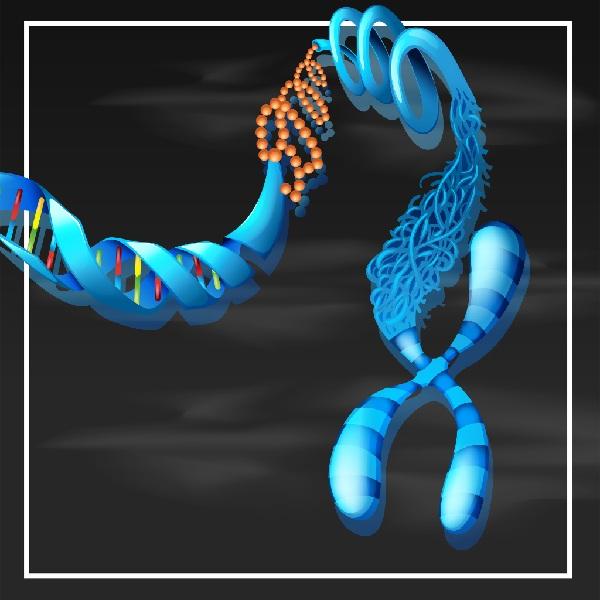
In modern oncology and molecular diagnostics, the ability to accurately identify and characterize clonal cell populations has become essential. Clonality-based testing, particularly using ABI fluorescence detection, plays a critical role in diagnosing and monitoring hematological malignancies such as leukemia and lymphoma.
With advancements in PCR-based technologies and capillary electrophoresis, laboratories can now achieve high-resolution, reproducible, and sensitive detection of clonal gene rearrangements. This has significantly improved disease classification, treatment decisions, and patient outcomes.
What is Clonality-Based Testing?
Clonality-based testing is a molecular diagnostic technique used to identify whether a population of lymphoid cells originates from a single clone (monoclonal) or multiple clones (polyclonal).
In hematologic cancers, malignant cells arise from a single transformed lymphocyte. These cells carry identical genetic rearrangements in antigen receptor genes, making clonality testing a reliable biomarker for malignancy.
This testing is widely used for:
- Differentiating reactive vs malignant lymphoid proliferations
- Identifying B-cell and T-cell malignancies
- Supporting lineage determination
- Monitoring minimal residual disease (MRD) and recurrence
Understanding ABI Fluorescence Detection
ABI fluorescence detection refers to the use of capillary electrophoresis systems such as ABI 310, 3100, and 3130 for analyzing PCR-amplified DNA fragments.
In this method:
- DNA is amplified using PCR targeting immunoglobulin (IG) or T-cell receptor (TCR) gene regions.
- Fluorescently labeled primers are used to generate detectable signals.
- Capillary electrophoresis separates DNA fragments based on size.
- Fluorescent signals are detected and translated into electropherograms for analysis.
This technique enables:
- Single nucleotide resolution
- High sensitivity and reproducibility
- Automated and objective data interpretation
Why ABI Fluorescence Detection is Preferred Over Gel-Based Methods
While gel electrophoresis has been traditionally used for clonality testing, ABI fluorescence detection offers several advantages:
1. Higher Sensitivity & Accuracy
Fluorescence-based detection allows precise sizing of PCR products, enabling better discrimination between clonal and polyclonal populations.
2. Improved Reproducibility
Capillary electrophoresis ensures consistent results across runs and laboratories.
3. Multiplexing Capability
Different fluorescent dyes allow simultaneous detection of multiple gene targets.
4. Safer Workflow
Unlike gel methods, fluorescence detection eliminates the need for hazardous chemicals such as ethidium bromide.
5. Digital Data Storage
Results can be archived and analyzed digitally, supporting clinical validation and research.
Key Applications in Clinical Diagnostics
Clonality-based testing using ABI fluorescence detection is widely used in:
1. Leukemia and Lymphoma Diagnosis
Clonal gene rearrangements in B-cell and T-cell receptors help confirm malignancy and subtype classification.
2. Differential Diagnosis
Distinguishes between reactive lymphoid proliferation and true malignancy.
3. Disease Monitoring
Tracks minimal residual disease (MRD) and detects early relapse.
4. Research and Clinical Trials
Supports development of targeted therapies and precision medicine approaches.
PCR-based clonality assays are globally recognized as a gold standard for detecting genetic rearrangements associated with hematologic cancers.
Common Assays Used in ABI Fluorescence Clonality Testing
Several standardized assays are used for clonality detection, including:
- IGH Gene Clonality Assay
- IGK Gene Clonality Assay
- IGL Gene Clonality Assay
- TCRB and TCRG Clonality Assays
These assays target conserved regions of antigen receptor genes and detect unique rearrangements specific to each lymphocyte clone.
How Clonality Testing Works at the Molecular Level
During normal lymphocyte development, antigen receptor genes undergo somatic rearrangement, creating unique DNA sequences.
- In polyclonal populations, multiple rearrangements produce a broad distribution of DNA fragments.
- In monoclonal populations, identical rearrangements produce a distinct peak in electropherograms.
This molecular signature allows clinicians to identify malignant clones with high precision.
Benefits for Laboratories and Clinicians
Adopting ABI fluorescence-based clonality testing offers several advantages:
- Standardized protocols for consistent results
- High-throughput capability for busy labs
- Reduced interpretation errors through automated analysis
- Better clinical decision-making through accurate diagnostics
Additionally, standardized assays reduce inter-laboratory variability and streamline workflow, making them suitable for both research and clinical settings.
Why Choose DSS Imagetech for Clonality Testing Solutions?
DSS Imagetech partners with global leaders like Invivoscribe to deliver advanced molecular diagnostic solutions in India.
With a strong presence in oncology diagnostics, DSS provides:
- High-quality ABI fluorescence-based clonality kits
- Technical expertise and support
- End-to-end solutions for molecular pathology labs
- Access to globally validated assays
Their solutions are designed to meet the evolving needs of precision medicine and clinical diagnostics.
Conclusion
Clonality-based testing using ABI fluorescence detection represents a major advancement in molecular diagnostics. By enabling accurate identification of clonal populations, it supports early diagnosis, effective treatment planning, and ongoing disease monitoring.
As hematologic malignancies continue to rise, adopting high-precision diagnostic tools like ABI fluorescence detection is no longer optional—it is essential.
Laboratories and healthcare providers looking to enhance diagnostic accuracy and efficiency should consider integrating these advanced clonality testing solutions into their workflow.
FAQs
1. What is clonality testing used for?
Clonality testing is used to detect monoclonal cell populations, helping diagnose lymphomas, leukemias, and other lymphoproliferative disorders.
2. How does ABI fluorescence detection work?
It uses fluorescently labeled PCR products analyzed through capillary electrophoresis to detect gene rearrangements with high precision.
3. What is the difference between gel detection and ABI fluorescence detection?
ABI fluorescence detection offers higher sensitivity, better resolution, and automated analysis compared to traditional gel-based methods.
4. Which genes are targeted in clonality testing?
Common targets include IGH, IGK, IGL (B-cell receptors) and TCRB, TCRG (T-cell receptors).
5. Is clonality testing enough to confirm cancer?
No. Results must be interpreted along with clinical, histological, and immunophenotypic data for accurate diagnosis.
6. What instruments are used for ABI fluorescence detection?
ABI 310, 3100, and 3130 genetic analyzers are commonly used.
7. Can clonality testing detect minimal residual disease?
Yes, it is widely used for monitoring disease recurrence and residual disease after treatment.

 English
 Arabic
 French
 Spanish
 Portuguese
 Deutsch
 Turkish
 Dutch
Dutch
 Italiano
 Romaian
 Portuguese (Brazil)
 Greek
Greek