


A Complete Guide to Vendor Onboarding in India for Businesses
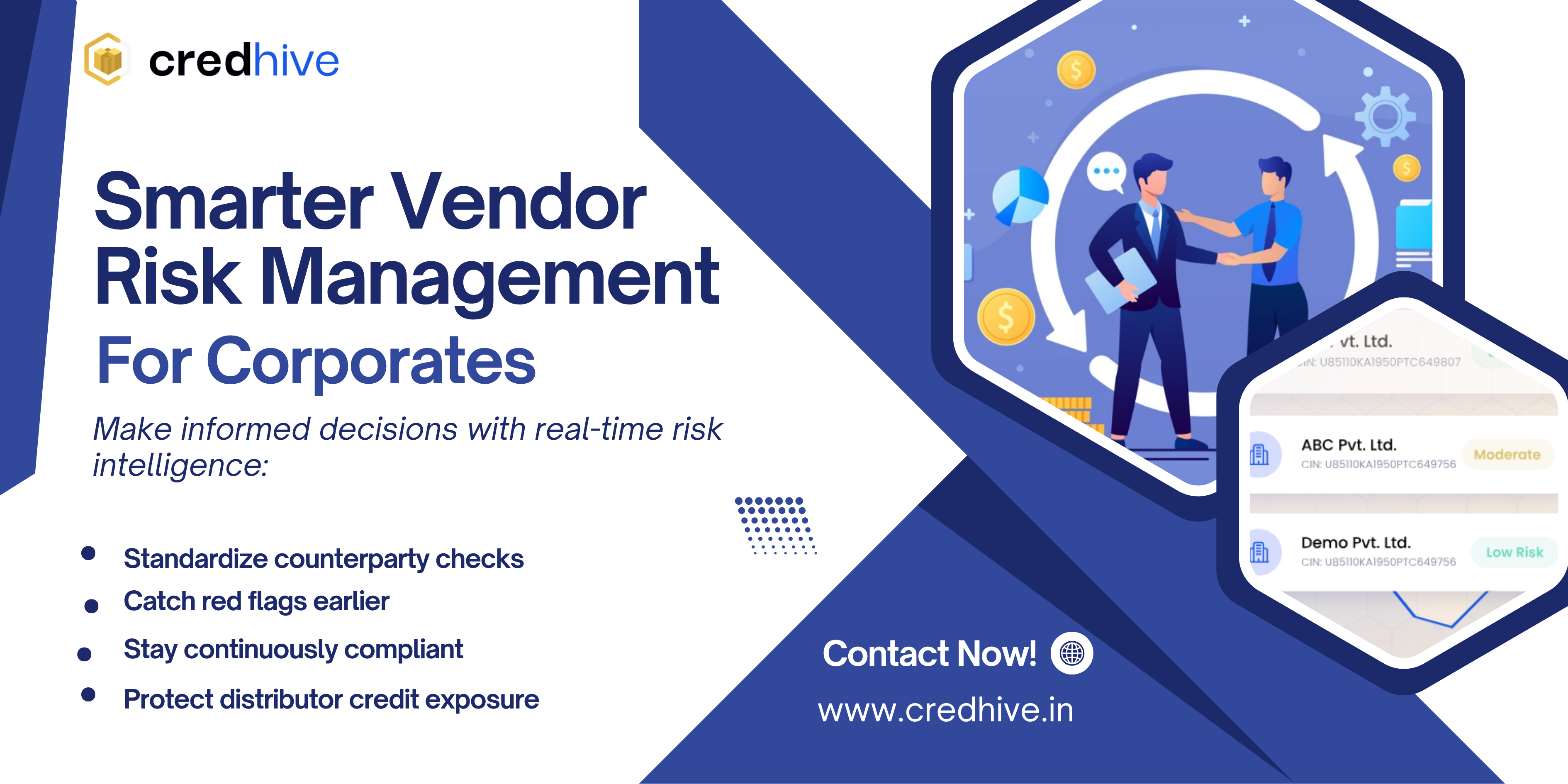
In today’s rapidly evolving business landscape, companies rely heavily on third-party vendors for products, services, and operational efficiency. Ensuring that these vendors are reliable, compliant, and trustworthy is critical. This is where Vendor onboarding becomes essential.
For Indian businesses, vendor onboarding is not just a procedural step—it is a strategic function that helps reduce risks, ensure compliance, and build strong supplier relationships. A well-structured onboarding process sets the foundation for long-term collaboration and business success.
What is Vendor Onboarding?
Vendor onboarding is the process of collecting, verifying, and approving vendor information before initiating a business relationship. It involves due diligence, compliance checks, and documentation to ensure that vendors meet organizational and regulatory requirements.
This process helps businesses confirm the credibility and reliability of vendors before engaging in transactions.
Importance of Vendor Onboarding in India
1. Regulatory Compliance
Indian businesses must comply with regulations such as GST, PAN verification, and other statutory requirements. Proper onboarding ensures adherence to these laws.
2. Risk Mitigation
Vendor onboarding helps identify potential risks such as fraud, financial instability, or legal issues.
3. Improved Vendor Relationships
A smooth onboarding process builds trust and sets clear expectations for both parties.
4. Operational Efficiency
Streamlined onboarding reduces delays and ensures faster vendor integration into business operations.
Key Steps in Vendor Onboarding
1. Vendor Information Collection
The process begins with gathering essential details such as company information, contact details, and business registration documents.
2. Document Verification
Verify key documents, including:
- PAN and GST registration
- Business licenses
- Bank account details
- Identity and address proof
3. Due Diligence and Risk Assessment
Conduct background checks to assess the vendor’s financial health, compliance status, and reputation.
4. Approval Process
Based on verification and risk assessment, vendors are approved, rejected, or sent for further review.
5. Contract Finalization
Define terms and conditions, including pricing, service levels, and compliance requirements.
6. Vendor Integration
Once approved, the vendor is integrated into the company’s systems and processes.
Challenges in Vendor Onboarding in India
1. Complex Compliance Requirements
Managing multiple regulatory requirements can be time-consuming and complex.
2. Manual Processes
Traditional onboarding methods often involve paperwork, leading to delays and errors.
3. Data Verification Issues
Ensuring the accuracy and authenticity of vendor data can be challenging.
4. Vendor Resistance
Some vendors may be hesitant to provide detailed information or adopt digital processes.
Best Practices for Effective Vendor Onboarding
1. Leverage Digital Platforms
Use automated tools to streamline data collection, verification, and approval processes.
2. Standardize Processes
Create a consistent onboarding framework to ensure efficiency and accuracy.
3. Conduct Thorough Due Diligence
Evaluate vendors comprehensively to minimize risks.
4. Ensure Transparency
Maintain clear communication with vendors regarding requirements and expectations.
5. Continuous Monitoring
Vendor onboarding should not end after approval. Regular monitoring ensures ongoing compliance and performance.
Benefits of Efficient Vendor Onboarding
1. Reduced Risks
Proper verification minimizes the chances of fraud and non-compliance.
2. Faster Onboarding
Automation speeds up the onboarding process, reducing delays.
3. Better Compliance
Ensures adherence to regulatory and internal policies.
4. Stronger Vendor Ecosystem
Builds a reliable network of vendors that supports business growth.
Conclusion
Vendor onboarding is a critical process for Indian businesses aiming to build strong, compliant, and efficient vendor relationships. By implementing a structured and technology-driven approach, organizations can reduce risks, improve operational efficiency, and ensure regulatory compliance.
In an increasingly competitive and regulated environment, effective vendor onboarding is not just a necessity—it is a strategic advantage that enables businesses to scale confidently and sustainably.

 English
 Arabic
 French
 Spanish
 Portuguese
 Deutsch
 Turkish
 Dutch
Dutch
 Italiano
 Russian
 Romaian
 Portuguese (Brazil)