A Floor Sink Drain plays a critical role in maintaining hygiene and proper wastewater flow in kitchens, restaurants, food processing units, and industrial environments. When neglected, it quickly becomes a hotspot for grease buildup, foul odors, bacterial growth, and drainage blockages that can disrupt operations. Proper cleaning is not just routine maintenance it is essential for safety, compliance, and efficiency in any high-use environment where water and waste constantly flow.
In this guide, the focus is on practical, effective cleaning techniques that keep floor sink systems functioning smoothly while preventing long-term damage and costly repairs.
Understanding the Role of a Floor Sink Drain
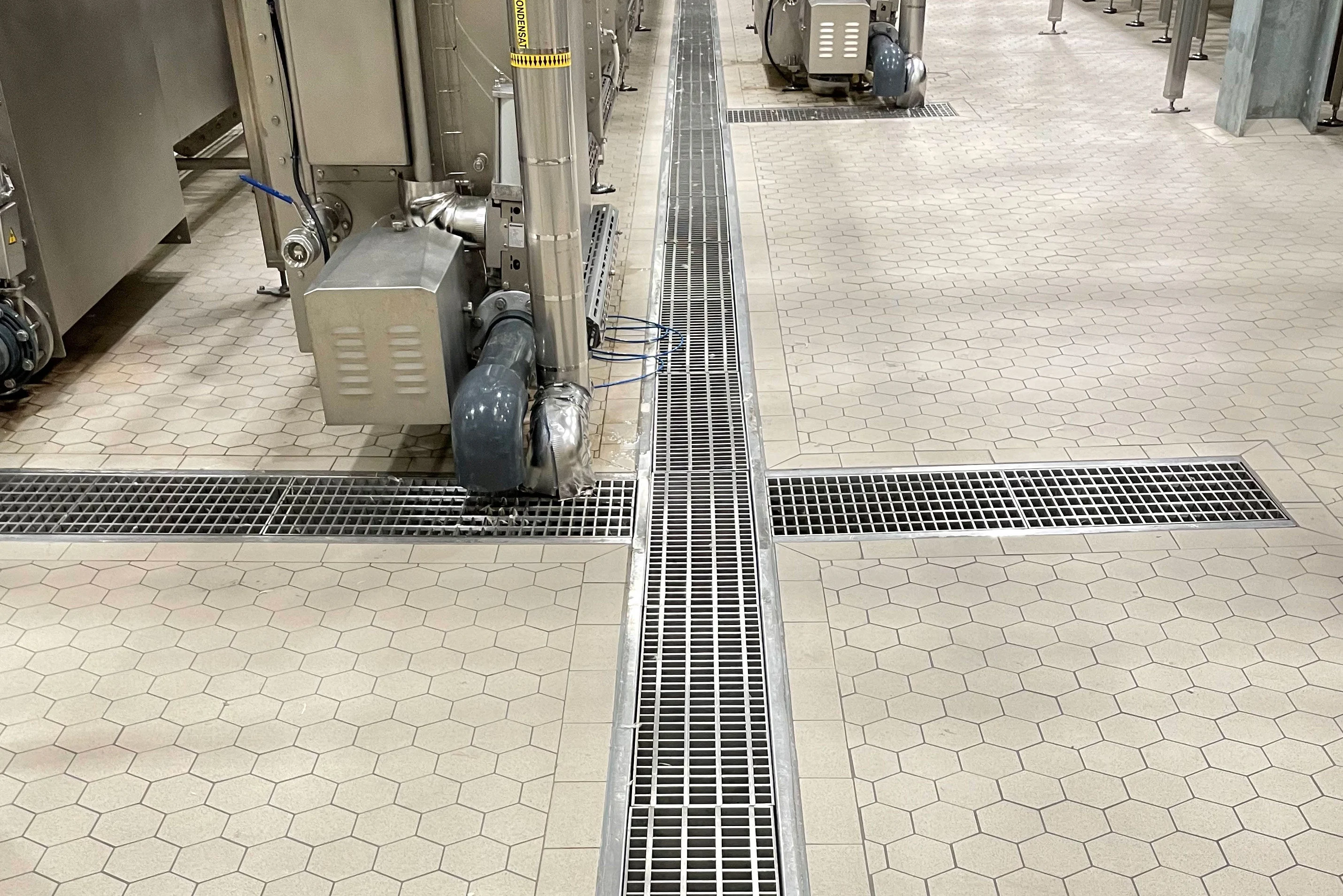
A Floor Sink Drain is designed to collect wastewater from multiple sources such as sinks, dishwashers, mop buckets, and equipment washdown areas. Unlike standard floor drains, it often has a deeper basin and a removable grate that helps trap debris before it enters the plumbing system.
Why is this important? Because in commercial kitchens and industrial facilities, water is rarely clean. It carries food particles, oils, chemicals, and solid waste that can easily clog pipes if not properly filtered.
When the system works as intended, it protects the main drainage line from severe blockages. But when neglected, the same drain becomes a source of contamination and operational delay.
Daily Cleaning Routine for Floor Sink Drains
Consistency is the foundation of effective maintenance. A daily cleaning routine prevents buildup before it becomes a serious problem.
Start by removing the drain cover or grate. Any visible debris such as food particles, packaging scraps, or sediment should be cleared immediately. Warm water should then be poured through the drain to flush out light residue.
A mild degreasing solution is often used in kitchen environments. This helps break down oils and prevents sticky layers from forming inside the basin. The surrounding area should also be wiped down to ensure no residue flows back into the drain.
Why is daily cleaning so important? Because grease and organic matter harden quickly, especially in warm commercial environments, making removal much more difficult over time.
Deep Cleaning Procedures for Industrial Areas
Industrial kitchens and food processing units require a more intensive cleaning approach at least weekly or biweekly depending on usage levels.
The process begins with removing the grate and scrubbing it separately using a stiff brush and a heavy-duty degreaser. Inside the Floor Sink Drain, buildup often collects along the walls and bottom, so thorough scrubbing is essential.
Hot water flushing helps loosen hardened residue. In many facilities, steam cleaning is also used to sanitize the interior surfaces and eliminate bacteria that regular cleaning cannot fully remove.
After scrubbing, a disinfectant solution should be applied and left for a few minutes before rinsing thoroughly. This step ensures microbial control, which is especially important in food-related environments.
What happens if deep cleaning is ignored? Over time, grease solidifies, odors intensify, and drainage efficiency drops significantly.
Managing Grease and Oil Buildup Effectively
Grease is one of the most common causes of Floor Sink Drain blockages in kitchens. Even small amounts accumulate over time, forming thick layers inside pipes and basins.
To manage this effectively, enzyme-based cleaners are often recommended. These products break down organic matter without damaging the plumbing system. They are particularly useful in commercial kitchens where grease production is continuous.
Avoid pouring boiling oil or fat directly into the drain, even if it seems liquid at the time. As it cools, it solidifies and clings to pipe walls, gradually narrowing the flow path.
Is grease removal really that critical? Absolutely, because grease buildup not only causes clogs but also traps food particles and accelerates bacterial growth.
Odor and Bacteria Control in Floor Sink Systems
Unpleasant odors are usually a sign of trapped organic waste or stagnant water inside the drain. In industrial settings, this can quickly become a hygiene concern.
Regular flushing with hot water helps reduce odor formation. Baking soda and vinegar solutions are sometimes used as a natural deodorizing method, especially in smaller kitchen environments.
For larger industrial systems, chemical disinfectants designed for commercial drainage systems are more effective. These solutions eliminate bacteria at the source rather than just masking the smell.
Proper ventilation around the sink area also plays a role in controlling odor buildup. Without airflow, moisture remains trapped, creating an ideal environment for microbial growth.
Establishing a Preventive Maintenance Schedule
A structured maintenance schedule is essential for keeping a Floor Sink Drain in optimal condition.
Daily tasks include debris removal and light flushing. Weekly maintenance should involve scrubbing and degreasing. Monthly or bi-monthly schedules should include deep cleaning and inspection of internal plumbing connections.
Facilities with high-volume usage may require even more frequent maintenance cycles. Tracking usage patterns helps determine the right cleaning frequency.
Why does scheduling matter so much? Because reactive maintenance—waiting for a problem to occur—often leads to downtime, emergency repairs, and higher operational costs.
Common Cleaning Mistakes to Avoid
One of the most common mistakes is relying only on water flushing without physical scrubbing. While water helps, it cannot remove hardened grease or stuck debris.
Another mistake is using overly harsh chemicals that can corrode metal components or damage seals within the drain system. Over time, this can lead to leaks or structural degradation.
Some facilities also neglect the drain grate, assuming it does not require cleaning. In reality, it often traps the majority of solid waste and needs regular attention.
Are quick fixes enough for long-term maintenance? No, because temporary cleaning rarely addresses deeper buildup inside the system.
When Professional Cleaning Becomes Necessary
Even with consistent maintenance, there are situations where professional intervention is required. Persistent clogs, recurring odors, or slow drainage are clear indicators that internal blockages may exist deeper in the system.
Professional cleaning services use specialized equipment such as high-pressure jetting systems and inspection cameras to identify hidden issues inside the drainage line.
This level of cleaning ensures complete removal of buildup that cannot be reached through standard methods.
If a Floor Sink Drain repeatedly causes operational issues despite regular maintenance, it is often a sign that a deeper plumbing evaluation is needed.
Final Thoughts
Maintaining a Floor Sink Drain is not a one-time task but an ongoing responsibility, especially in kitchens and industrial environments Acmesewer drain cleaning where water and waste flow continuously. Proper cleaning techniques from daily maintenance to deep industrial cleaning ensure smooth drainage, reduce health risks, and extend the lifespan of the entire system.
Neglect leads to buildup, contamination, and expensive repairs, while consistent care keeps operations efficient and compliant with hygiene standards. In environments where cleanliness directly impacts performance, the condition of a single drain can influence the entire workflow.




 English
 Arabic
 French
 Spanish
 Portuguese
 Deutsch
 Turkish
 Dutch
Dutch
 Italiano
 Russian
 Portuguese (Brazil)
 Greek
Greek