


How Property Owners Prepare Older Structures Before Major Demolition Projects
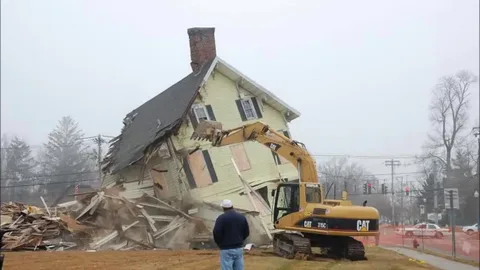
Preparing an older structure for demolition requires careful planning, site evaluation, and debris management. Aging buildings often contain unstable materials, outdated construction methods, and hidden structural concerns that increase project complexity. Many California property owners now rely on organized demolition planning to reduce delays and improve safety throughout the removal process. Property clearing support from Demo Pros Plus helps homeowners and investors manage demolition timelines while preparing sites for future development.
Key Takeaways
-
Demolition projects require permits, inspections, and site preparation.
-
Older structures may contain hazardous or unstable building materials.
-
Organized debris removal improves safety throughout the project.
-
Utility disconnections are necessary before structural removal begins.
-
Proper planning helps reduce delays during construction preparation.
Residential demolition activity continues increasing as property owners replace aging homes with updated structures. Industry studies show that construction and demolition debris accounts for more than 600 million tons of waste annually in the United States. In rapidly growing areas of Southern California, redevelopment projects continue driving demand for site clearing and material disposal services.
Demolition projects involve more than tearing down walls or removing roofing materials. Contractors must evaluate structural integrity, surrounding properties, environmental regulations, and disposal procedures before heavy equipment arrives on-site. Careful preparation reduces unnecessary risks while improving project coordination.
Why Structural Demolition Requires Detailed Planning
Every demolition project begins with a property assessment. Contractors inspect foundations, framing systems, utility connections, and access points to determine the safest removal strategy. Older buildings may contain weakened supports or hidden water damage that complicates equipment operation.
Permit requirements also play a major role in project scheduling. Local municipalities often require environmental reviews, utility confirmations, and inspection approvals before demolition work begins. Missing documentation may delay construction timelines or create compliance concerns during redevelopment.
Another important factor involves debris handling. Demolition sites generate large volumes of wood, drywall, roofing materials, metal, and concrete. Without organized disposal planning, debris piles may slow equipment access and increase safety hazards around the property.
Common Materials Removed During Demolition Projects
Residential demolition projects create multiple categories of waste materials. Contractors often separate reusable or recyclable components before structural removal begins. Salvaging certain materials may also reduce landfill pressure while lowering disposal costs.
Materials Frequently Removed During Structural Demolition
-
Roofing shingles and underlayment materials.
-
Wood framing and structural lumber.
-
Drywall, insulation, and flooring debris.
-
Concrete foundations and masonry waste.
-
Metal piping, wiring, and fixtures.
Construction recycling programs continue expanding across California. Many demolition companies now transport concrete, scrap metal, and asphalt to recycling facilities rather than sending all debris directly to landfills. These efforts support environmental goals while improving waste reduction practices.
Important Safety Measures Before Demolition Begins
Safety preparation remains one of the most critical stages of any demolition project. Contractors must disconnect utilities before heavy equipment enters the site. Electrical systems, gas lines, and water connections require confirmation from utility providers to prevent dangerous accidents.
Dust control also plays an important role, especially in densely populated neighborhoods. Water suppression systems help limit airborne debris during wall removal and material breakdown. Proper containment methods protect nearby homes, vehicles, and landscaping from excessive dust accumulation.
Property owners researching redevelopment opportunities often explore house demolition Corona, CA, services when aging structures become unsafe, outdated, or unsuitable for renovation. Demolition professionals typically assess zoning regulations, debris management needs, and site accessibility before recommending removal methods.
Factors That Affect Demolition Costs and Timelines
Several variables influence demolition pricing and scheduling. Property size, material composition, accessibility, and environmental conditions all impact project complexity. Structures built decades ago may contain hazardous materials such as asbestos or lead-based paint that require specialized handling.
Location also affects equipment access and debris transportation. Narrow streets, overhead utility lines, and nearby buildings may limit machinery movement or extend project duration. Contractors must coordinate carefully to prevent disruptions in residential neighborhoods.
Conditions That Commonly Increase Project Complexity
-
Limited access for excavation equipment.
-
Hazardous materials require specialized removal.
-
Shared property lines near neighboring structures.
-
Extensive concrete or foundation demolition.
-
Tight municipal permit requirements.
According to environmental agencies, recycling concrete and metal from demolition projects significantly reduces landfill use and conserves raw construction materials. These recycling efforts have become increasingly important as redevelopment activity expands in urban and suburban areas.
How Site Preparation Supports Future Construction
A properly cleared site creates a safer and more stable foundation for future building projects. Removing unstable debris, damaged concrete, and deteriorated structures allows contractors to inspect grading conditions and drainage systems more accurately.
Land preparation also improves construction scheduling. Builders often encounter fewer delays when demolition crews complete debris hauling, utility coordination, and grading work before excavation begins. Organized site clearing creates smoother transitions between demolition and rebuilding phases.
In many redevelopment projects, demolition teams coordinate directly with builders, surveyors, and engineers to maintain consistent project timelines. This collaboration helps property owners avoid unnecessary downtime between project stages.
Environmental Responsibilities During Structural Removal
Modern demolition projects increasingly emphasize responsible disposal and recycling practices. Construction debris contains reusable materials that may reduce environmental impact when processed correctly. Metal, concrete, asphalt, and untreated wood often qualify for recycling or reclamation programs.
Illegal dumping and improper disposal create long-term environmental concerns for surrounding communities. Responsible hauling and recycling practices help reduce contamination risks while supporting cleaner development standards.
Ways Demolition Teams Reduce Environmental Impact
-
Recycling concrete and metal materials.
-
Separating reusable construction components.
-
Limiting airborne dust through water suppression.
-
Follow the regulated disposal procedures for hazardous waste.
-
Reducing landfill dependency through material recovery.
California regulations continue to encourage sustainable construction and demolition practices. Recycling initiatives now play a major role in large-scale redevelopment and residential teardown projects throughout the state.
Common Questions Property Owners Ask Before Demolition
Many homeowners wonder whether partial demolition or complete removal makes more financial sense. The answer often depends on structural condition, renovation costs, and long-term property goals. Severely damaged buildings may require full demolition when repair expenses exceed rebuilding value.
Another common concern involves project duration. Smaller residential demolitions may finish within several days, while larger properties or environmentally regulated sites may require longer timelines. Permit approvals and debris hauling schedules also affect completion dates.
Property owners frequently ask about neighboring property protection during demolition. Contractors typically install fencing, dust control systems, and safety barriers to reduce risks to nearby homes and pedestrians.
Final Thoughts
Demolition projects require more planning and coordination than many property owners initially expect. Structural assessments, permit approvals, utility disconnections, and debris management all influence project safety and efficiency. Organized demolition planning helps reduce delays while supporting safer redevelopment outcomes. As residential rebuilding activity continues growing across Southern California, responsible demolition and disposal practices remain essential for preparing properties for future use.
Contact a Professional Demolition Team
Property owners preparing for residential teardown projects, land clearing, or redevelopment planning can benefit from experienced demolition support tailored to local regulations and site conditions. Professional demolition teams help manage debris removal, structural breakdown, permit coordination, and safety preparation throughout every project phase. Homeowners and investors planning future construction projects can contact the company directly to discuss timelines, site evaluations, and available demolition services for residential properties.
Frequently Asked Questions
How long does a residential demolition project usually take?
Most residential demolition projects take several days to complete, although larger structures or properties requiring environmental remediation may need additional time.
Are permits required before demolition starts?
Yes, most cities require demolition permits, utility confirmations, and inspections before contractors begin structural removal work.
Can demolition materials be recycled?
Many materials, such as metal, concrete, and asphalt, can be recycled through approved construction recycling facilities.
What happens if hazardous materials are discovered?
Licensed specialists typically remove hazardous materials like asbestos or lead-based paint before demolition continues.
Why is utility disconnection necessary before demolition?
Disconnecting gas, electricity, and water lines helps prevent serious accidents during structural removal and heavy equipment operation.

 English
 Arabic
 French
 Spanish
 Portuguese
 Deutsch
 Turkish
 Dutch
Dutch
 Italiano
 Romaian
 Portuguese (Brazil)
 Greek
Greek