


How Fleet Owners Maintain Commercial Vehicles Under California Emission Requirements
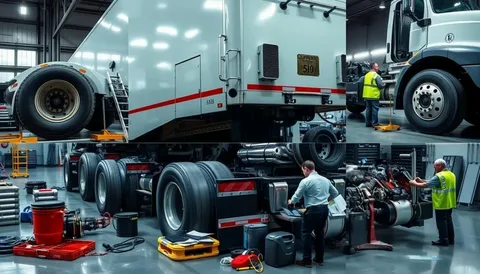
California commercial vehicle regulations continue becoming stricter as state agencies focus on reducing diesel emissions and improving air quality. Fleet operators, independent truck owners, and transportation companies now face increasing pressure to maintain compliant vehicles while avoiding penalties and operational delays. Regular inspections, emissions monitoring, and preventive maintenance have become essential parts of managing commercial transportation operations. Reliable support from JTD Clean Truck helps truck owners understand compliance responsibilities while maintaining safer and cleaner commercial fleets.
Key Takeaways
-
California emissions rules affect many commercial diesel vehicles.
-
Preventive maintenance reduces inspection and compliance problems.
-
Emission system failures may lead to operational penalties.
-
Fleet tracking records support long-term compliance planning.
-
Routine inspections help identify mechanical concerns early.
Air quality programs continue shaping transportation regulations throughout California. According to the California Air Resources Board, heavy-duty diesel vehicles contribute significantly to nitrogen oxide emissions statewide. These pollutants affect both environmental conditions and public health, leading regulators to strengthen oversight of commercial transportation operations.
Fleet owners now operate in an environment where emissions compliance directly affects business continuity. Delayed inspections or unresolved engine problems can interrupt deliveries, increase operating costs, and create unnecessary downtime for commercial carriers.
Why Commercial Vehicle Compliance Has Become More Important
California’s transportation industry supports millions of freight movements annually. With increasing commercial traffic, state agencies continue enforcing emissions standards designed to reduce pollution from diesel-powered vehicles. Commercial trucks operating without proper emissions compliance may face fines, registration holds, or restricted operation status.
Modern diesel engines rely on advanced emissions systems that include diesel particulate filters, exhaust gas recirculation systems, and onboard diagnostics. These components require regular monitoring because even minor malfunctions may trigger warning systems or failed inspections.
Fleet operators also face growing customer expectations regarding sustainability. Many logistics providers now prioritize cleaner transportation practices when selecting contractors and freight partners. Compliance therefore affects both legal operation and long-term business competitiveness.
Common Issues That Cause Emissions Compliance Problems
Commercial trucks often experience emissions-related problems as mileage increases. Excessive soot buildup, sensor malfunctions, fuel injector issues, and neglected maintenance schedules commonly contribute to compliance failures.
Engine warning lights represent one of the earliest indicators of potential emissions trouble. Ignoring these warnings may lead to larger mechanical issues that become more expensive to repair later. Delayed maintenance also increases the likelihood of failed inspections during compliance evaluations.
Problems Frequently Linked to Emission System Failures
-
Faulty diesel particulate filters.
-
Malfunctioning exhaust sensors.
-
Excessive engine soot accumulation.
-
Fuel system performance issues.
-
Ignored dashboard warning indicators.
Industry reports estimate that preventive maintenance can reduce unexpected heavy-duty truck repair costs by nearly 30 percent annually. Consistent inspections often identify smaller issues before they escalate into major compliance violations or roadside breakdowns.
How Preventive Maintenance Supports Regulatory Compliance
Routine maintenance remains one of the most effective ways to maintain commercial vehicle compliance. Scheduled inspections help technicians monitor exhaust systems, onboard diagnostic alerts, and engine performance indicators before they trigger regulatory concerns.
Oil quality, fuel system cleanliness, and proper airflow all influence emissions performance. Poor maintenance habits often increase fuel consumption while reducing engine efficiency over time. Fleet managers who prioritize regular service intervals typically experience fewer operational disruptions.
Many operators researching long-term emissions solutions eventually encounter CA, Clean Truck Check requirements while preparing vehicles for ongoing compliance monitoring. Understanding inspection schedules and reporting obligations helps commercial drivers avoid unnecessary registration or enforcement complications.
Why Accurate Vehicle Records Matter for Fleet Operators
Documentation plays a major role in emissions compliance management. Fleet operators must often maintain service histories, inspection records, and repair documentation for regulatory purposes. Organized records simplify audits and help identify recurring maintenance patterns within larger fleets.
Digital fleet management systems have become increasingly common throughout the transportation industry. These systems track mileage, inspection timelines, fuel usage, and repair schedules across multiple vehicles. Organized reporting helps operators maintain consistency while reducing administrative confusion.
Commercial transportation companies also rely on maintenance documentation when reselling vehicles or negotiating fleet insurance policies. Strong service records often demonstrate responsible ownership and operational reliability.
Important Records Fleet Operators Should Maintain
-
Inspection and emissions testing reports.
-
Engine repair and maintenance documentation.
-
Mileage and operational tracking logs.
-
Replacement part installation records.
-
Scheduled service history information.
Transportation analysts continue reporting rising maintenance costs throughout the trucking industry due to inflation, labor shortages, and advanced engine technology. Detailed recordkeeping helps fleet operators manage expenses more strategically over time.
Factors Fleet Owners Should Evaluate Before Compliance Inspections
Preparation plays an important role before any emissions-related inspection. Operators should confirm that warning lights are inactive, fluid levels remain stable, and engine systems operate normally before scheduling evaluations.
Environmental conditions may also influence emissions system performance. Trucks operating in stop-and-go traffic or extreme heat often experience higher strain on exhaust systems. Heavy hauling routes may further increase wear on emissions components over time.
Experienced technicians typically recommend addressing unusual engine sounds, fuel efficiency drops, or recurring fault codes immediately rather than waiting for formal inspections. Early intervention often prevents larger mechanical complications.
How Emissions Compliance Impacts Business Operations
Regulatory compliance affects far more than inspection results alone. Noncompliant vehicles may experience downtime that disrupts freight schedules, customer contracts, and operational productivity. Delays in transportation logistics can create financial consequences across entire supply chains.
Businesses with properly maintained fleets often experience stronger operational consistency. Reliable compliance practices reduce emergency repair situations while improving fuel economy and long-term vehicle performance.
Operational Benefits of Consistent Maintenance Practices
-
Reduced downtime from unexpected repairs.
-
Improved reliability during long-distance hauling.
-
Better fuel performance over time.
-
Lower risk of regulatory penalties.
-
Increased lifespan of commercial vehicles.
Transportation companies increasingly recognize compliance management as a core operational responsibility rather than a temporary regulatory requirement. Consistent maintenance strategies support both legal operation and long-term fleet stability.
Final Thoughts
California emissions regulations continue influencing how commercial fleet owners maintain and operate heavy-duty vehicles. Preventive maintenance, organized documentation, and regular inspections now play essential roles in maintaining legal compliance and reducing operational disruptions. Commercial trucks rely on advanced emissions systems that require ongoing attention to remain functional and regulation-ready. As environmental standards continue evolving, fleet operators who prioritize compliance preparation and maintenance planning place themselves in a stronger position for long-term operational success.
Contact Experienced Commercial Compliance Specialists
Fleet owners, independent operators, and transportation companies managing diesel vehicle compliance can benefit from experienced support focused on inspections, maintenance preparation, and emissions-related concerns. Professional compliance assistance helps operators reduce downtime, identify system issues early, and maintain accurate service documentation throughout the year. Commercial vehicle owners seeking dependable support for emissions compliance and inspection readiness can contact the company directly to discuss fleet service needs and ongoing maintenance planning.
Frequently Asked Questions
What causes heavy-duty trucks to fail emissions inspections?
Common causes include faulty sensors, excessive soot buildup, malfunctioning exhaust systems, and unresolved engine warning lights.
Why is preventive maintenance important for diesel compliance?
Routine maintenance helps identify emissions-related issues early and reduces the risk of inspection failures or unexpected breakdowns.
Do commercial fleets need maintenance documentation?
Yes, organized service records help support regulatory compliance, inspections, and long-term fleet management.
How often should emissions systems be inspected?
Inspection frequency depends on vehicle use, mileage, and applicable state regulations affecting commercial diesel vehicles.
Can ignored warning lights affect compliance status?
Yes, unresolved warning indicators may signal emissions problems that could lead to inspection failures or operational restrictions.

 English
 French
 Spanish
 Portuguese
 Deutsch
 Turkish
 Dutch
Dutch
 Italiano
 Russian
 Romaian
 Portuguese (Brazil)
 Greek
Greek