


How Homeowners Refresh Living Spaces With Modern Interior Painting Ideas
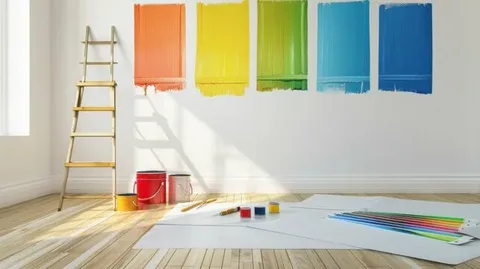
Interior painting remains one of the most effective ways to improve a home’s appearance, atmosphere, and long-term value. Updated wall colors, trim finishes, and surface preparation techniques can completely transform living spaces without requiring major remodeling work. Many Massachusetts homeowners now prioritize interior painting projects to modernize aging rooms, brighten natural light, and maintain property appeal. Reliable support from Supreme Painters & Remodelers helps homeowners improve interior spaces while protecting walls, ceilings, and trim from long-term wear.
Key Takeaways
-
Interior painting improves both appearance and property value.
-
Surface preparation affects paint durability and final results.
-
Color selection influences lighting and room atmosphere.
-
Professional painting reduces uneven finishes and wall damage.
-
Routine repainting helps protect interior surfaces over time.
Housing market studies consistently show that interior updates remain among the most common home improvement investments in the United States. Paint projects are especially popular because they improve visual appeal while helping homeowners personalize living environments without extensive construction work.
Modern interior painting also extends beyond decoration alone. Quality coatings help protect drywall, trim, and ceilings from moisture, dirt accumulation, and surface deterioration. Proper preparation and application techniques therefore play an important role in both appearance and maintenance.
Why Interior Painting Projects Require Proper Planning
Many homeowners underestimate how much preparation affects paint quality. Surface cleaning, sanding, patching, and priming directly influence how long paint lasts and how smooth the final finish appears. Walls with old stains, cracks, or moisture damage often require additional preparation before painting begins.
Lighting conditions also affect color appearance significantly. Shades that appear soft and neutral during daytime hours may look darker or warmer under artificial lighting at night. This variation makes paint testing important before committing to large-scale projects.
Room usage should also influence paint selection. Kitchens, bathrooms, and hallways often experience higher moisture levels or frequent contact, requiring more durable paint finishes compared to bedrooms or formal spaces.
Common Interior Areas Homeowners Frequently Repaint
Interior painting projects vary widely depending on property size, architectural style, and homeowner preferences. Some projects focus on single rooms, while others involve complete interior transformations across multiple levels.
Interior Spaces Commonly Updated With Fresh Paint
-
Living rooms with fading wall colors.
-
Kitchens exposed to moisture and grease buildup.
-
Bedrooms requiring softer color palettes.
-
Hallways affected by scuffs and traffic marks.
-
Ceilings showing age or discoloration.
Industry data shows that neutral paint colors continue dominating residential design trends because they support stronger resale appeal and adapt easily to changing décor styles. Warm whites, earth tones, and muted greens remain especially popular in modern home interiors.
How Color Choices Influence Home Atmosphere
Color selection shapes how homeowners and guests experience interior spaces. Light tones often create an open appearance, while darker shades may add warmth and depth to larger rooms. Accent walls also help highlight architectural details without overwhelming the space visually.
Natural lighting plays a major role in color perception. North-facing rooms typically appear cooler throughout the day, while south-facing spaces receive warmer sunlight that affects paint appearance differently.
Homeowners researching updated color palettes frequently explore recommendations from home painters Auburndale, MA professionals when planning room transformations or preparing properties for resale. Experienced painters often evaluate lighting conditions, room size, and existing finishes before recommending paint combinations.
Why Surface Preparation Matters Before Painting
Preparation remains one of the most important stages of any painting project. Poorly prepared walls often lead to peeling paint, visible imperfections, and uneven texture after application.
Dust, grease, moisture damage, and nail holes should be addressed before painting begins. Primer also helps improve paint adhesion, especially on repaired drywall or previously stained surfaces.
Many professional painters spend substantial time on preparation because the final appearance depends heavily on smooth surfaces and stable paint bonding. Rushing preparation frequently leads to shorter paint lifespan and inconsistent coverage.
Preparation Steps That Improve Paint Durability
-
Cleaning walls before applying paint.
-
Repairing cracks and surface damage.
-
Sanding rough or glossy finishes.
-
Applying primer where necessary.
-
Protecting floors and furniture carefully.
Painting industry experts estimate that preparation work may account for more than half of total project labor time on many residential jobs. Thorough preparation typically produces longer-lasting and more visually consistent results.
Important Factors Before Starting an Interior Painting Project
Several factors influence the timing and outcome of interior painting projects. Humidity levels, ventilation, paint quality, and drying conditions all affect final appearance and durability.
Seasonal weather can influence indoor humidity, especially in older homes throughout New England. Excess moisture may slow drying times or affect paint curing if ventilation remains limited during colder months.
Homeowners should also consider paint finish types carefully. Matte finishes help hide surface imperfections, while satin and semi-gloss coatings often provide easier cleaning in high-traffic areas.
How Interior Painting Supports Long-Term Property Value
Fresh interior paint consistently improves home presentation during property showings and appraisals. Clean, updated walls help rooms appear brighter, larger, and better maintained to potential buyers.
Real estate professionals frequently recommend repainting before listing homes because outdated or damaged paint may negatively affect buyer impressions. Neutral tones often appeal to broader audiences while helping buyers visualize their own furniture and décor.
Benefits Many Homeowners Associate With Interior Painting
-
Improved brightness throughout living spaces.
-
Cleaner appearance for aging interiors.
-
Better protection for drywall surfaces.
-
Increased visual appeal during resale preparation.
-
Updated style without major renovation work.
National remodeling surveys continue ranking interior painting among the most cost-effective home improvement projects due to its visual impact and relatively manageable project scope.
Final Thoughts
Interior painting remains one of the most practical ways to refresh living spaces while improving home appearance and protecting interior surfaces. Successful projects depend on careful preparation, thoughtful color selection, and proper application techniques that support long-lasting results. As design preferences continue evolving, homeowners increasingly use interior painting to modernize rooms, improve lighting balance, and maintain property value. Professional painting support helps create cleaner finishes while reducing common problems such as uneven coverage, peeling paint, and premature surface wear.
Contact Experienced Residential Painting Professionals
Homeowners planning interior painting projects, room updates, or complete home refreshes can benefit from experienced painting support tailored to property style and surface conditions. Professional painters help prepare walls properly, apply durable finishes, and recommend color selections that complement lighting and interior layouts. Property owners seeking dependable interior painting assistance can contact the company directly to discuss room transformations, repainting schedules, and residential painting service options throughout the area.
Frequently Asked Questions
How often should interior walls be repainted?
Many interior walls benefit from repainting every five to seven years, although high-traffic areas may require updates sooner.
Why is primer important before painting?
Primer improves paint adhesion, helps cover stains, and creates a smoother surface for consistent final coverage.
Which paint finishes work best for busy areas?
Satin and semi-gloss finishes are often preferred in kitchens, bathrooms, and hallways because they resist moisture and clean more easily.
Can interior paint colors affect room appearance?
Yes, lighter shades often make rooms feel larger and brighter, while darker tones may create a warmer atmosphere.
Why does surface preparation matter so much?
Proper preparation helps prevent peeling, uneven texture, and visible imperfections while improving long-term paint durability.

 English
 Arabic
 French
 Spanish
 Deutsch
 Turkish
 Dutch
Dutch
 Italiano
 Russian
 Romaian
 Portuguese (Brazil)
 Greek
Greek