


How Prefab House In The Philippines Reduces Material Waste
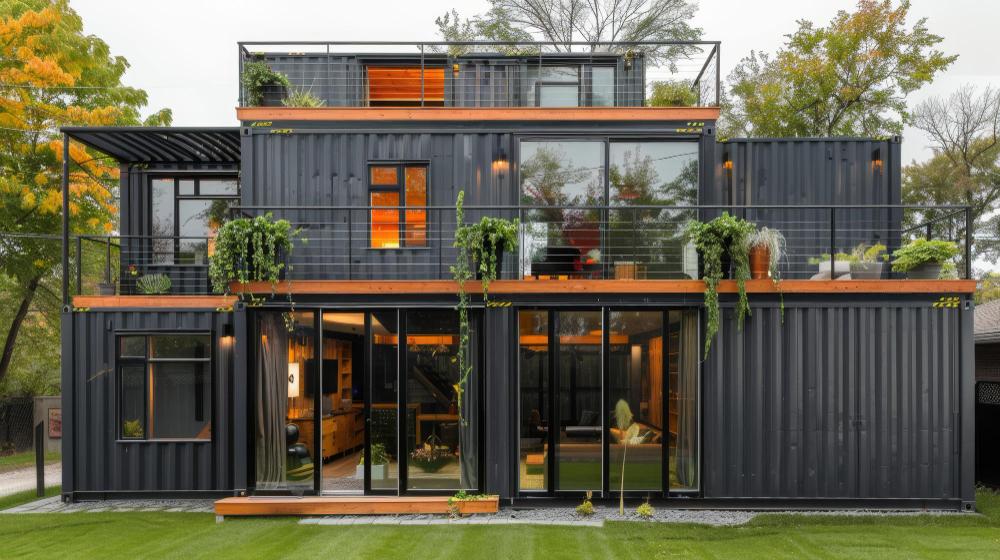
A prefab house in the Philippines offers a different approach to building homes. It uses factory-based production instead of full on-site construction. This method changes how materials are handled, stored, and used. With better control and planning, it reduces excess use and limits leftover waste during each stage of the project.
Traditional construction often produces large amounts of unused materials. These include wood, concrete, steel, and packaging waste. Many of these materials end up discarded due to cutting errors, damage, or poor storage. Prefabrication addresses these issues by using a more organized system that focuses on exact measurements and controlled conditions.
What Is Prefabrication
Prefabrication refers to the process of manufacturing building components in a factory before transporting them to the site. These parts include walls, floors, and roofing systems. Each section is built based on precise measurements, which reduces the need for adjustments during installation and lowers the chance of material waste.
In the Philippines, this method has become more common in residential projects. A prefab house in the Philippines uses pre-made panels that fit together during assembly. This approach simplifies construction and reduces the number of materials that go unused or damaged during the building process.
Why Waste Happens in Traditional Construction
Material waste in traditional construction often comes from inconsistent measurements and manual cutting. Workers may adjust materials on-site, which leads to errors and leftover pieces that cannot be reused. These small losses add up over time and increase the total amount of discarded materials.
Storage conditions also affect material quality. Exposure to rain, heat, and humidity can damage wood, cement, and other supplies. When materials are compromised, they must be replaced. This increases both waste and project costs, especially in areas with unpredictable weather conditions.
Controlled Production Environment
A prefab house in the Philippines benefits from factory-controlled production. Materials are stored in stable conditions, which protects them from damage. This setup reduces the risk of spoilage and keeps materials in good condition until they are used.
Factories use organized systems to track and manage inventory. Each material is measured and cut according to a fixed plan. This reduces excess cutting and limits the amount of scrap produced. With fewer errors, the overall use of materials becomes more efficient and consistent.
Precision and Standardization
Precision is one of the main reasons prefabrication reduces waste. Each component is designed using digital tools that define exact sizes and shapes. This process removes guesswork and limits the need for adjustments during installation.
Standardization also helps maintain consistency across projects. A prefab house in the Philippines uses repeatable designs that rely on the same measurements. This reduces variation and keeps material usage predictable. As a result, fewer materials are wasted due to incorrect sizing or misalignment.
Reduced On-Site Cutting
On-site cutting is a major source of waste in traditional construction. Workers often trim materials to fit specific areas, which produces leftover pieces. These pieces are rarely reused because they do not match other parts of the structure.
Prefabrication reduces the need for on-site cutting. Components arrive at the site ready for installation. This means fewer offcuts and less debris during construction. The process also creates a cleaner work environment with less material scattered around the site.
Efficient Material Planning
Planning is more detailed in prefabrication projects. Designers calculate the exact amount of materials needed before production begins. This prevents over-ordering and reduces the chances of unused supplies remaining after construction.
A prefab house in the Philippines follows a structured plan that guides every stage of the build. Each material has a specific purpose and quantity. This level of planning reduces waste and keeps the project aligned with its original design.
Recycling and Reuse in Factories
Factories that produce prefab components often have systems for recycling materials. Leftover pieces from one project can be reused in another. This reduces the need for new materials and lowers overall waste output.
Scrap materials such as metal, wood, and plastic are sorted and processed within the facility. This makes it easier to recycle them compared to construction sites, where waste is often mixed together. A prefab house in the Philippines benefits from this system by reducing the amount of discarded materials.
Less Packaging Waste
Traditional construction requires frequent delivery of materials to the site. Each delivery involves packaging, which adds to the total waste produced. Plastic wraps, cardboard, and other materials often end up in landfills after use.
Prefabrication reduces the number of deliveries needed. Components are transported in larger sections, which lowers the amount of packaging required. A prefab house in the Philippines generates less packaging waste due to fewer shipments and more efficient transport methods.
Faster Construction Timeline
Time affects material waste in construction projects. Longer timelines increase the risk of material damage and loss. Delays can lead to repeated handling of materials, which raises the chance of breakage.
A prefab house in the Philippines has a shorter construction timeline because many components are completed in advance. Faster assembly reduces the time materials spend exposed to the environment. This helps maintain their quality and reduces waste caused by damage.
Reduced Labor Errors
Human error is a common cause of material waste. Mistakes during measurement, cutting, or installation can result in unusable materials. These errors often require replacements, which increases waste.
Prefabrication limits these errors by using automated tools and guided processes. Workers follow detailed plans, and machines handle precise cutting tasks. A prefab house in the Philippines benefits from fewer mistakes, which leads to better material use and less waste.
Improved Site Management
Construction sites can become disorganized, especially in large projects. Materials may be misplaced, damaged, or left unused due to poor coordination. This leads to unnecessary waste and increased project costs.
Prefabrication simplifies site management by reducing the number of materials stored on-site. Components arrive when needed and are installed quickly. A prefab house in the Philippines maintains a more organized site, which helps reduce material loss and waste.
Environmental Impact
Reducing material waste has a direct effect on the environment. Less waste means fewer materials are sent to landfills. It also reduces the demand for raw materials, which lowers the impact on natural resources.
A prefab house in the Philippines contributes to more sustainable construction practices. By using materials more efficiently, it helps reduce the overall environmental footprint of building projects. This approach aligns with efforts to create more responsible construction methods.
Cost Efficiency Linked to Waste Reduction
Material waste is closely tied to project costs. When materials are wasted, additional purchases are required. This increases the overall budget and can affect project timelines.
Prefabrication reduces these costs by limiting waste. A prefab house in the Philippines uses materials more effectively, which keeps expenses under control. The savings come from better planning, reduced errors, and efficient use of resources throughout the project.
Key Takeaway
A prefab house in the Philippines reduces material waste through controlled production, precise measurements, and efficient planning. By limiting on-site cutting and improving material handling, it minimizes excess use and discarded materials. This approach creates a more organized construction process while lowering environmental impact and improving overall resource efficiency.

 English
 Arabic
 Spanish
 Portuguese
 Deutsch
 Turkish
 Dutch
Dutch
 Italiano
 Russian
 Romaian
 Portuguese (Brazil)
 Greek
Greek