


Melasma Treatment Explained: Procedures, Results, and Recovery
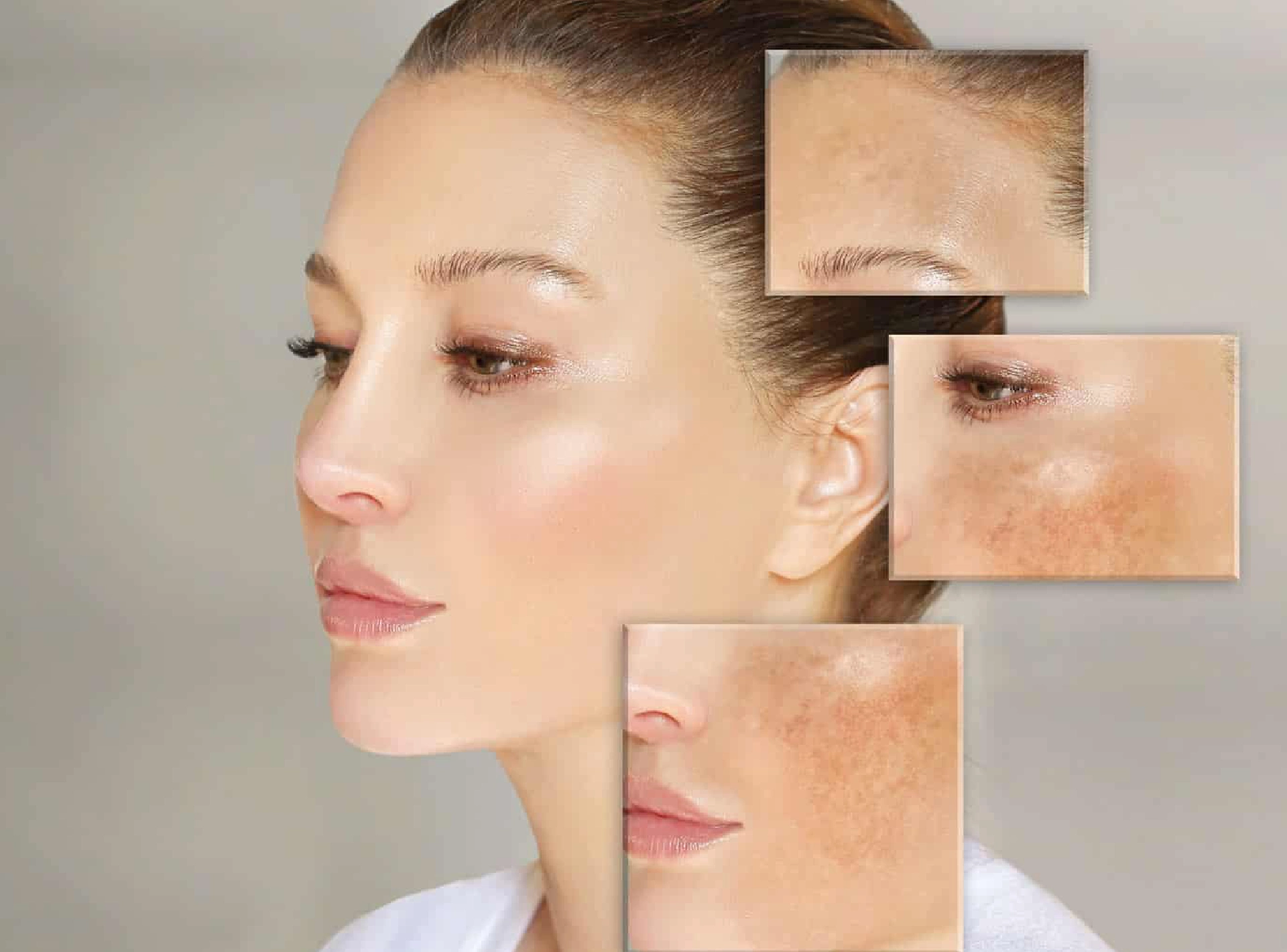
Melasma is a persistent pigmentation disorder that appears as brown or gray patches on the face, often triggered by sun exposure, hormonal changes, and genetic factors. Because it is a chronic condition, treatment usually requires a combination of medical and procedural approaches rather than a single solution. Modern dermatology now offers several advanced options, and Laser Melasma Treatment is frequently included in comprehensive care plans designed to improve stubborn pigmentation and restore a more even skin tone. Understanding how these treatments work, what results to expect, and how recovery unfolds is essential for achieving safe and long-lasting improvements.
Understanding Melasma and Its Causes:
Melasma develops when melanocytes, the pigment-producing cells in the skin, become overactive and produce excess melanin. This leads to uneven dark patches that are often symmetrical and most visible on the cheeks, forehead, upper lip, and nose. The condition is influenced by multiple internal and external triggers, making it difficult to treat permanently. Common contributing factors include:
- Hormonal changes such as pregnancy or birth control use
- Prolonged sun exposure and UV radiation
- Genetic predisposition
- Heat and visible light exposure
- Inflammation or skin irritation
Because melasma is influenced by so many factors, effective treatment must address both the symptoms and the underlying triggers.
Diagnostic Process and Initial Consultation:
Before beginning any treatment, dermatologists conduct a detailed skin evaluation to determine the type and depth of melasma. This step is essential for designing a safe and effective treatment plan. Advanced diagnostic tools may be used to analyze pigment distribution beneath the skin’s surface. During consultation, dermatologists typically assess:
- Skin type and sensitivity level
- Depth of pigmentation (epidermal, dermal, or mixed)
- Medical and hormonal history
- Previous treatment responses
- Lifestyle and sun exposure habits
This evaluation helps ensure that treatments are customized and reduces the risk of complications or worsening pigmentation.
Topical Treatments and Their Role:
Topical medications are often the first step in melasma management because they are non-invasive and easy to incorporate into daily skincare routines. These treatments help reduce melanin production and promote skin renewal over time. Common ingredients include hydroquinone, azelaic acid, tretinoin, kojic acid, and niacinamide. Dermatologists usually prescribe them in combination for better results. Key benefits of topical therapy include:
- Gradual lightening of pigmentation
- Improved skin texture and tone
- Low risk when used correctly
- Easy home-based application
- Support for other professional treatments
However, results take time and require consistent use under medical supervision.
Chemical Peel Procedures and Expected Outcomes:
Chemical peels are professional treatments that remove damaged outer layers of skin, encouraging the growth of fresh, evenly pigmented skin cells. Depending on skin type and melasma severity, dermatologists may use glycolic acid, lactic acid, salicylic acid, or mandelic acid peels. These procedures are performed in controlled clinical settings to ensure safety. Benefits of chemical peels include:
- Brighter and smoother skin appearance
- Reduction in surface-level pigmentation
- Enhanced absorption of skincare products
- Controlled exfoliation process
- Gradual improvement over multiple sessions
Recovery may involve mild redness or peeling for a few days, depending on peel strength.
Microneedling and Skin Regeneration:
Microneedling is a regenerative procedure that stimulates collagen production by creating controlled micro-injuries in the skin. It is particularly useful for melasma patients with sensitive skin because it does not involve heat or harsh chemicals. Dermatologists often enhance microneedling results by applying serums such as tranexamic acid or vitamin C during treatment. Advantages of microneedling include:
- Improved skin texture and firmness
- Better penetration of active ingredients
- Low risk of pigmentation worsening
- Minimal downtime
- Gradual and natural-looking improvement
This procedure is often performed in multiple sessions for optimal results.
Laser-Based Melasma Treatment Procedures:
Laser technology represents one of the most advanced options for treating stubborn pigmentation. Devices such as low-fluence Q-switched lasers, picosecond lasers, and fractional lasers target melanin deposits in the skin while minimizing damage to surrounding tissue. Dermatologists carefully adjust laser intensity based on skin type and pigmentation depth to ensure safety and effectiveness. In many treatment plans, Laser Melasma Treatment is combined with topical medications and sun protection for enhanced results. Key aspects of laser procedures include:
- Controlled breakdown of excess pigment
- Precision targeting of affected areas
- Reduced downtime compared to older methods
- Stimulated collagen production
- Gradual improvement over multiple sessions
Some patients may experience temporary redness or darkening before visible improvement occurs.
Recovery Process After Treatment:
Recovery depends on the type of procedure performed and individual skin sensitivity. Most treatments require minimal downtime, but proper aftercare is essential for preventing complications and ensuring optimal results. Dermatologists typically recommend avoiding sun exposure and using gentle skincare products during recovery. Common recovery guidelines include:
- Daily use of broad-spectrum sunscreen
- Avoidance of harsh exfoliants or active ingredients
- Keeping skin well-hydrated
- Limiting sun and heat exposure
- Following prescribed skincare routines
Healing time varies, but most patients see gradual improvement within weeks.
Results and Long-Term Expectations:
Melasma treatment results vary depending on the severity of pigmentation, treatment type, and consistency of maintenance. While significant improvement is possible, melasma is a chronic condition and may recur if triggers are not controlled. Most patients notice gradual lightening and improved skin tone after multiple sessions. Long-term success depends on:
- Consistent sun protection
- Maintenance treatments when needed
- Combination therapy approaches
- Avoiding known triggers
- Regular dermatology follow-ups
Results are typically cumulative and improve over time with continued care.
Importance of Combination Therapy:
Dermatologists often recommend combining multiple treatment methods for best results because melasma affects different layers of the skin. A comprehensive plan may include topical medications, chemical peels, microneedling, oral therapies, and Laser Melasma Treatment. This multi-layered approach helps target pigmentation from different angles while reducing the risk of recurrence. Combination therapy is widely considered the most effective strategy for long-term management.
Final Thoughts:
Melasma treatment involves a structured process that includes diagnosis, targeted procedures, recovery care, and long-term maintenance. While no single treatment offers a permanent cure, modern dermatology provides highly effective solutions that significantly reduce pigmentation and improve skin appearance. With consistent care, professional guidance, and proper sun protection, patients can achieve clearer, more even-toned skin and maintain results over time.

 Arabic
 French
 Spanish
 Portuguese
 Deutsch
 Turkish
 Dutch
Dutch
 Italiano
 Russian
 Romaian
 Portuguese (Brazil)
 Greek
Greek