


What Are Smell Proof Bags Made Of
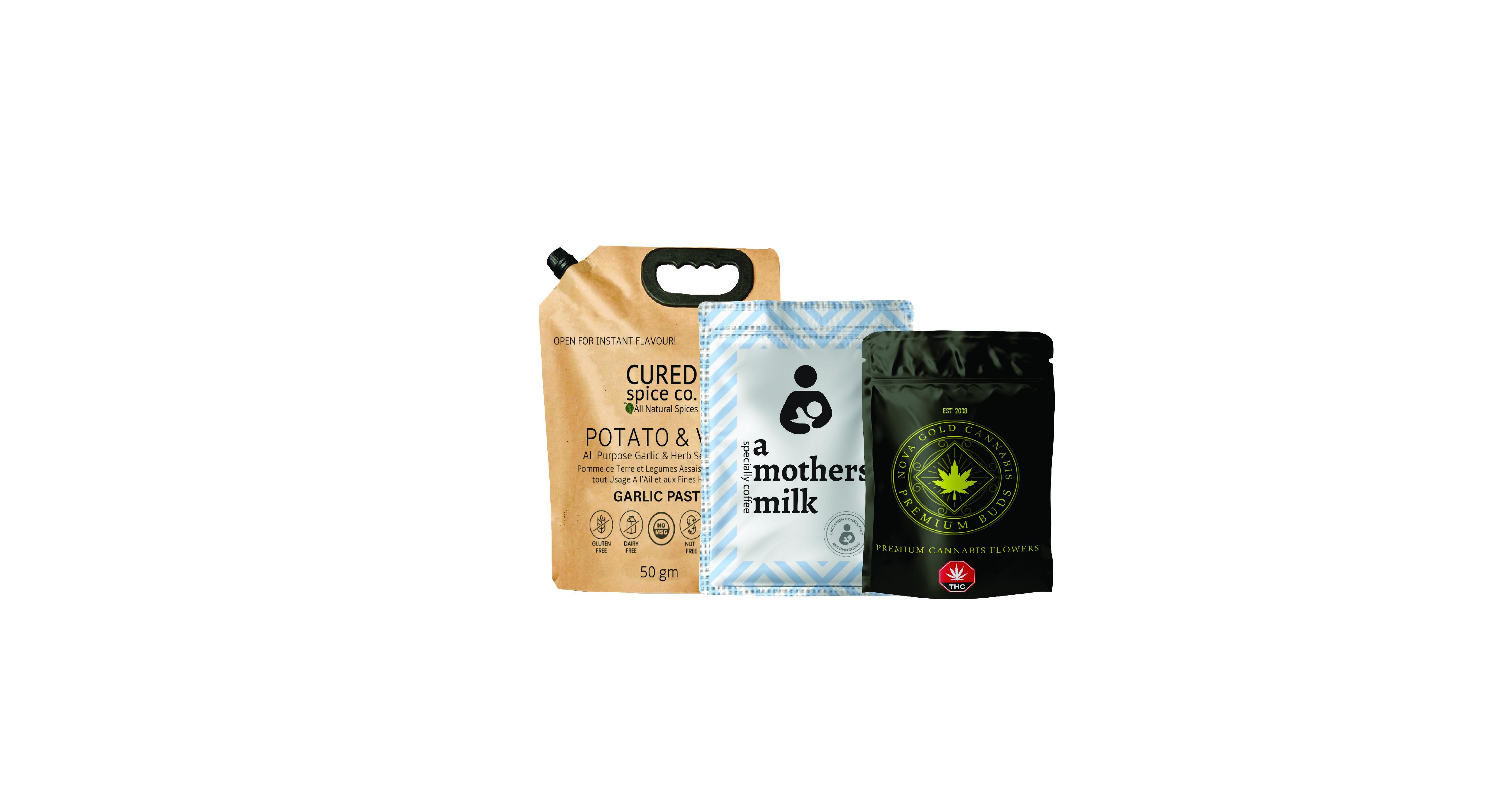
What Are Smell Proof Bags Made Of
Discover the materials, layered structure, odor-blocking methods, manufacturing process, and common mistakes that affect the quality of the bag. Achieving this requires careful design and the use of specific materials. Learn how these Smell Proof Bags are used to protect the products from smell leakage, moisture, and air exposure before choosing the right option for your packaging needs. Understanding what these bags are made of reveals not only their structure but also why they are effective in odor containment.
Impactful Materials Used in Making Smell Proof Bags
The main structure of a smell-proof bag is typically made from plastic-based materials. Common plastics used include polyethylene, nylon, and Mylar.
-
Polyethylene Layers For Maximum Protection:
This is a lightweight and flexible plastic that is used for a basic barrier against air and moisture. It is often used in multi-layered bags as the inner layer because it is safe for contact with food and other sensitive items.
-
Nylon Structure For Long-Term Usage:
Nylon is used for adding strength and durability to the bag. It keeps the bag resist punctures, tears, and everyday wear and tear. The semi-rigid structure also enhances the bag’s ability to maintain shape while providing an initial barrier against odors.
-
Mylar Shield For Odor Resistance:
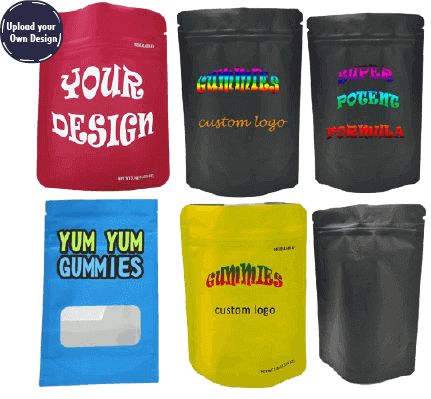
Mylar is a polyester film known for its reflective, metallic-like surface. It is particularly useful in smell-proof bags because it is non-porous, meaning it does not allow gases or smells to pass through easily. It is used for resistance to moisture, light, and temperature changes, which further protects the contents.
Using these plastics in combination ensures the bag is both strong and capable of containing odors. Typically, manufacturers layer these materials to create a multi-layered barrier that is difficult for air or odor molecules to penetrate.
Advanced Odor Blocking Layer Methods
The defining feature of a smell-proof bag is its ability to block odors, and this is achieved by incorporating specialized layers, most commonly activated carbon or foil sheets.
Activated Carbon Layer:
Activated carbon is highly porous, giving it the ability to absorb and trap odor molecules. When included in the lining of a bag, it captures volatile compounds from the contents before they can escape into the environment. This layer is especially important for substances with strong, persistent smells.
Foil Layers:
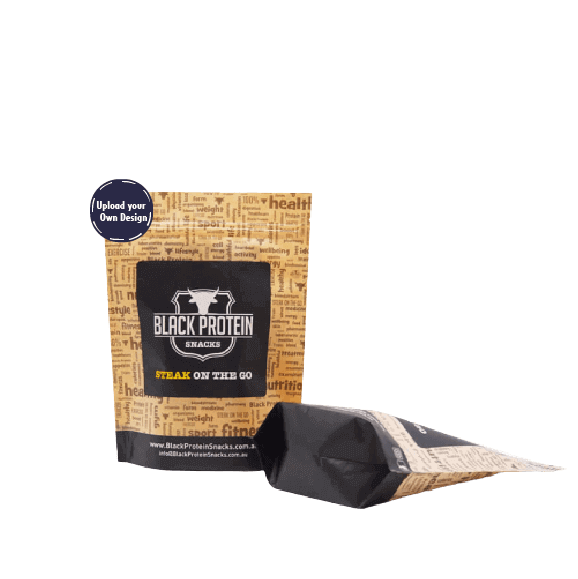
Some smell-proof bags use aluminum foil layers, either alone or in combination with plastics. The foil acts as a physical barrier that is impermeable to gases, preventing smells from passing through. It also reflects light, protecting light-sensitive items stored inside.
The combination of these odor-blocking layers ensures that the bag is effectively airtight and minimizes the risk of any smell leaking out.
"My obsession is plastic packaging." — Theo James
Smart Sealing Systems For Protection
Even the best materials cannot fully contain odors if the bag is not sealed properly. That is why smell-proof bags often incorporate advanced sealing mechanisms.
-
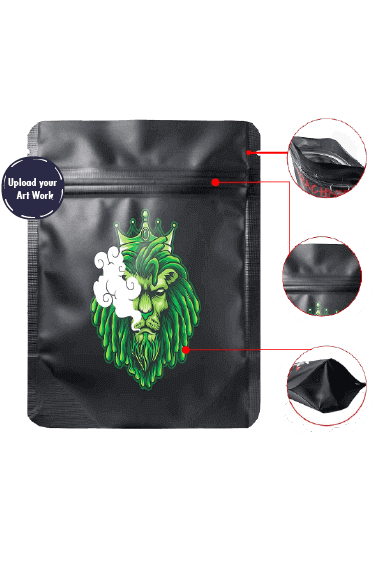
Zippers: Many smell-proof bags are used with heavy-duty, airtight zippers. Unlike regular zippers, these are designed to compress the layers of material together, forming a tight seal that prevents air and odor from escaping.
-
Heat Seals: Some bags are permanently heat-sealed along the edges. This method fuses the layers of plastic or foil, creating a continuous barrier with no gaps for odors to escape.
-
Combination Seals: High-quality bags are also used in combination with zippers and heat seals to maximize effectiveness. For example, the sides might be heat-sealed, while the top uses a zipper for easy opening and closing.
These sealing mechanisms work alongside the multi-layered materials to ensure maximum odor containment, making the bag reliable for long-term storage.
Innovative Material Combination For Strength
The effectiveness of a smell-proof bag comes from the strategic combination of all its materials. Moreover, the inner plastic layer keeps contents secure and food-safe, the middle activated carbon or foil layer traps odors, and the outer nylon or Mylar layer provides durability and a secondary barrier. Corners or extra layers at stress points further prevent leaks or tears, ensuring reliable performance over time.
Essential Extra Features For Security
Modern smell-proof bags often include extra features that enhance usability and protection. Mylar or foil layers reflect light and protect items from degradation, while plastic layers prevent moisture from entering. Many bags are designed to be reusable and eco-friendly, with durable zippers and washable materials. Sizes and shapes vary from small pouches to large storage bags, all employing the same layered construction to block odors. These features are used to make the bags versatile for everyday storage, travel, or professional use.
Conclusion
Smell-proof bags are carefully made to prevent odors from escaping, and this relies heavily on the materials used in their making process. Multi-layered plastics like polyethylene, nylon, and Mylar form the base structure, while activated carbon or foil layers trap odor molecules. The combination of these materials and features results in a durable Custom Packaging, a reliable container capable of containing strong smells, protecting the contents, and offering convenience for everyday use. Understanding these materials, consumers choose high-quality bags and appreciate the technology behind effective odor-proof storage.

 English
 Arabic
 French
 Spanish
 Portuguese
 Deutsch
 Dutch
Dutch
 Italiano
 Russian
 Romaian
 Portuguese (Brazil)
 Greek
Greek