


Q-Switched Laser for Uneven Skin Tone: Does It Work?
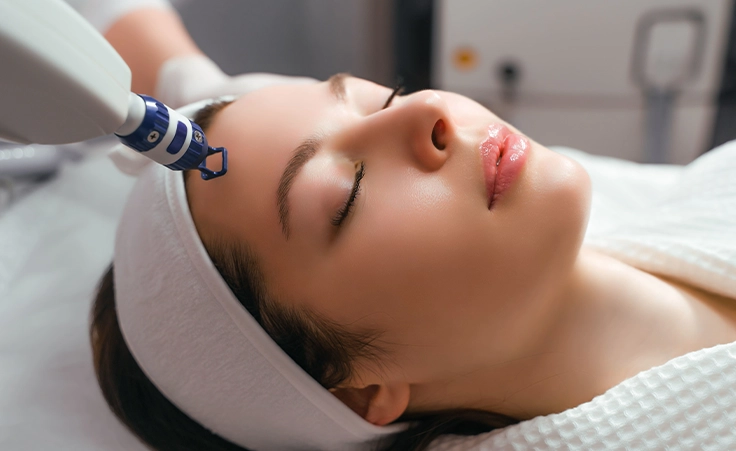
Uneven skin tone is one of the most common cosmetic concerns, often caused by sun exposure, acne marks, hormonal changes, and aging. It can make the skin look dull, patchy, and less radiant even when the skin is otherwise healthy. Modern dermatology offers advanced solutions to address pigmentation irregularities, and Q-switched Laser Treatment is frequently recommended as a targeted approach to improve skin clarity and restore a more balanced complexion.
Understanding Uneven Skin Tone:
Uneven skin tone occurs when melanin production becomes irregular in different parts of the skin. This results in patches of darker or lighter areas that disrupt overall skin uniformity.
Common causes include:
- Sun exposure and UV damage
- Post-acne pigmentation
- Hormonal changes (melasma)
- Aging-related pigmentation
- Skin inflammation or injury
- Poor skincare habits
These factors lead to inconsistent pigmentation, making the skin appear blotchy or dull over time.
How Q-Switched Lasers Work on Skin Tone:
This laser technology uses short bursts of high-energy light to target excess pigment in the skin. The energy is absorbed by melanin, breaking it into tiny particles that are gradually removed by the body’s natural processes.
The treatment helps by:
- Targeting uneven pigmentation
- Breaking down excess melanin
- Improving skin clarity
- Supporting gradual skin renewal
- Minimizing damage to surrounding tissue
Because it works at a deeper level, it is often used for pigmentation that does not respond well to topical skincare alone.
Effectiveness for Uneven Skin Tone:
Laser treatments can be effective for improving uneven skin tone, especially when pigmentation is the primary cause of discoloration. However, results depend on skin type, severity of pigmentation, and consistency with treatment sessions.
Expected improvements may include:
- More even complexion
- Reduced patchy pigmentation
- Brighter skin appearance
- Smoother texture
- Improved clarity and radiance
While results are gradual, many patients notice visible improvement after a few sessions.
Types of Skin Concerns It Can Treat:
Uneven skin tone is often a combination of multiple pigmentation issues rather than a single condition. Laser technology can address several of these concerns at once.
It is commonly used for:
- Sunspots and UV damage
- Acne-related dark marks
- Melasma patches
- Freckles and minor pigmentation
- Post-inflammatory hyperpigmentation
- General skin dullness
This versatility makes it a popular option in cosmetic dermatology.
How Treatment Sessions Work:
A typical session involves a structured and controlled procedure performed by a dermatologist. The skin is first cleaned, and protective measures such as eyewear are provided.
During treatment:
- Laser pulses are directed at pigmented areas
- Mild tingling or snapping sensation may occur
- Sessions typically last 15–40 minutes
- Cooling methods may be used for comfort
- Target areas are treated precisely
The procedure is non-invasive and usually does not require downtime.
How Many Sessions Are Needed:
The number of sessions varies depending on pigmentation depth and individual skin response. Some people see early improvements, while others require multiple treatments.
General guidelines include:
- Mild uneven tone: 2–4 sessions
- Moderate pigmentation: 4–6 sessions
- Severe or long-term discoloration: 6–10 sessions
Sessions are spaced a few weeks apart to allow proper healing and pigment clearance.
Before and After Expectations:
Results from laser treatment are gradual and improve over time. The skin continues to clear pigment even weeks after each session.
Typical before and after changes include:
- Before: Patchy and dull skin tone
- After: Brighter and more uniform complexion
- Before: Visible dark spots or uneven patches
- After: Reduced pigmentation and smoother tone
- Before: Lack of radiance
- After: Healthier and refreshed skin appearance
Complete results depend on consistent treatment and proper aftercare.
Role of Aftercare in Results:
Aftercare is essential for maintaining improvements and preventing pigmentation from returning. The skin is more sensitive after treatment and requires protection.
Important aftercare steps include:
- Daily sunscreen application
- Avoiding direct sun exposure
- Using gentle skincare products
- Keeping skin well moisturized
- Avoiding harsh exfoliation
- Staying hydrated
Neglecting aftercare can slow healing and reduce long-term effectiveness.
Possible Side Effects:
Laser treatments are generally safe when performed by qualified professionals, but mild temporary side effects may occur.
Common reactions include:
- Redness
- Mild swelling
- Temporary dryness
- Slight sensitivity
- Light darkening before fading
These effects usually resolve within a few days as the skin heals.
Who Can Benefit Most:
Not everyone experiences uneven skin tone for the same reasons, so results may vary. However, certain individuals benefit more from laser treatment than others.
Ideal candidates include:
- People with pigmentation-related uneven tone
- Individuals with sun damage
- Those with post-acne marks
- Patients with stable skin health
- People seeking non-invasive solutions
A dermatologist consultation helps determine suitability and expected outcomes.
Importance of Professional Treatment:
The effectiveness of laser procedures depends heavily on correct settings, device quality, and dermatologist experience. Improper use can lead to irritation or uneven results.
Key factors to consider:
- Experienced dermatologist
- Advanced laser equipment
- Personalized treatment plan
- Proper skin assessment
- Safe clinical environment
- Clear consultation process
Professional care ensures better safety and more predictable results.
Final Thoughts:
Uneven skin tone can significantly affect overall appearance, but modern laser technology offers a scientifically backed solution for improving pigmentation irregularities. While results are not instant, consistent sessions combined with proper aftercare can lead to a more balanced, brighter, and smoother complexion. With realistic expectations, sun protection, and guidance from a qualified dermatologist, this treatment can be an effective option for achieving long-term improvement in skin tone and clarity.

 English
 Arabic
 French
 Spanish
 Deutsch
 Turkish
 Dutch
Dutch
 Italiano
 Russian
 Romaian
 Portuguese (Brazil)
 Greek
Greek