


Polyurethane Waterproofing in the Philippines: Pros, Cons, and Suppliers
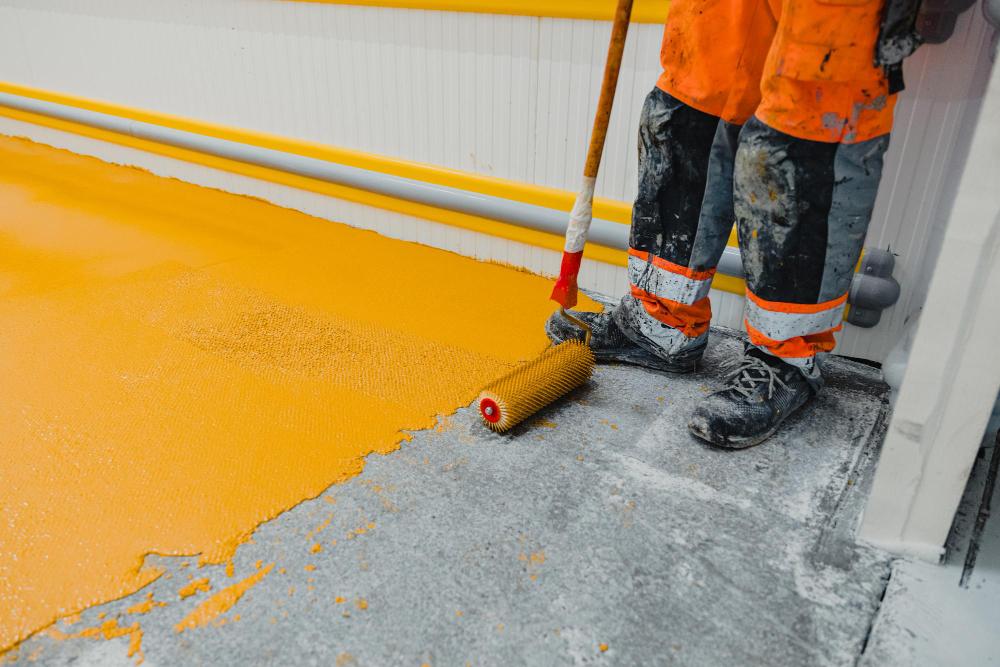
For exposed concrete outdoor spaces, modern building designs generally call for superior liquid coatings to withstand periodic severe rains. And a popular method for protecting roof decks, balconies, and public walkways is polyurethane waterproofing in the Philippines. Property owners can make realistic structural investments through assessing this material's performance and sourcing alternatives.
What is Polyurethane Waterproofing?
Polyurethane waterproofing is a liquid-applied polymer coating that cures into a seamless, rubber-like protective membrane. This chemical material is applied with rollers, squeegees, or airless spray machines to form a continuous shield over concrete surfaces. It belongs to the premium category of surface treatments due to its exceptional elasticity and strength.
Why Select Liquid Polyurethane?
Liquid polyurethane adheres exceptionally well to masonry surfaces and fills tiny micro-cracks during the application process. This fluid material conforms easily to complicated architectural details like pipe penetrations, sharp corners, and drainage outlets. It eliminates the traditional seams found in sheet membranes where leaks typically develop over time.
What are the Main Advantages?
The primary benefits of this chemical system center around its remarkable elongation properties and resistance to environmental wear. This membrane stretches significantly without tearing, which permits the underlying concrete to expand and contract during hot afternoon hours. It also resists fuel spills, mild acids, and battery leaks commonly found on commercial parking decks.
Why Value UV Resistance?
High-quality polyurethane formulations can withstand constant exposure to intense tropical sunlight without turning brittle or chalky. This trait prevents the protective layer from cracking after a few years of direct solar exposure on an open roof. Maintaining this structural flexibility extends the lifespan of the underlying slab and protects the rooms below.
What are the Main Disadvantages?
The main drawbacks of this liquid option include a high initial material cost and a very strict installation process. This coating reacts poorly to any trapped moisture inside the concrete slab during application, which can cause severe blistering. It also requires multiple coats and a long curing time before the surface can handle heavy traffic.
Why Track Moisture Content?
Applying this material over a damp concrete floor will inevitably trap water vapor beneath the cured rubber skin. The heat from the sun causes this trapped moisture to turn into steam and push upward against the membrane. This internal pressure creates large bubbles that weaken the bond and eventually rupture the protective layer.
What is an Aliphatic Polyurethane?
Aliphatic polyurethane is a specific type of topcoat formulated to retain its color and gloss under direct sunlight. This chemical variation does not yellow or degrade when exposed to harsh ultraviolet radiation over long periods. It’s the preferred choice for visible public spaces like roof gardens and outdoor restaurant balconies.
Why Use Aliphatic Topcoats?
Using an aliphatic layer protects the primary waterproofing membrane from the damaging effects of solar heat. It serves as a sacrificial shield that keeps the entire coating system looking clean and professional for many years. This material reduces the long-term maintenance costs of the property by extending the time between reapplications.
What is an Aromatic Polyurethane?
Aromatic polyurethane is a more economical formulation that provides excellent structural protection but tends to yellow under daylight. This material is highly durable against physical abrasion but lacks the advanced UV stabilizers found in aliphatic products. It’s typically used as a base coat or applied in areas hidden from the sun.
What are Local Sourcing Channels?
Contacting large hardware distributors or construction chemical manufacturers is the first step in sourcing polyurethane waterproofing. Brands like Boysen, Davies, and various international chemical companies supply these advanced liquid coatings through certified applicators. Many suppliers offer complete systems that include the necessary primers, reinforcing meshes, and protective topcoats.
Why Purchase Complete Systems?
Purchasing a complete system from a single supplier ensures that all the individual liquid layers bond together correctly. Mixing different brands of primers and topcoats can result in chemical incompatibility and premature peeling of the membrane. Relying on a single manufacturer also simplifies the warranty process if a product failure occurs later.
What is the Application Process?
The application process starts with mechanical surface preparation to remove all dust, oil, and loose cement laitance from the floor. Workers then apply a specialized primer to seal the concrete pores and improve the adhesion of the main coat. Finally, multiple layers of polyurethane are rolled onto the deck with a reinforcing fabric embedded between coats.
Why Require Professional Application?
Professional application is necessary because handling these chemical polymers demands precise timing and specialized moisture meters. Experienced applicators know how to identify hidden dampness in the concrete that would ruin the expensive liquid materials. Correct handling during the installation phase prevents costly mistakes and ensures the system performs as intended.
Key Takeaway
Exposed concrete decks can be properly protected using waterproofing in the Philippines. Developers can protect their investments via balancing the high material prices with durability over the long term. Remember, effective weather protection during intense storms is guaranteed through sourcing appropriate chemical solutions from reputable brands.

 English
 Arabic
 Spanish
 Portuguese
 Deutsch
 Turkish
 Dutch
Dutch
 Italiano
 Russian
 Romaian
 Portuguese (Brazil)
 Greek
Greek