


Sheetali Pranayama: A Complete Guide to the Cooling Yogic Breathing Technique
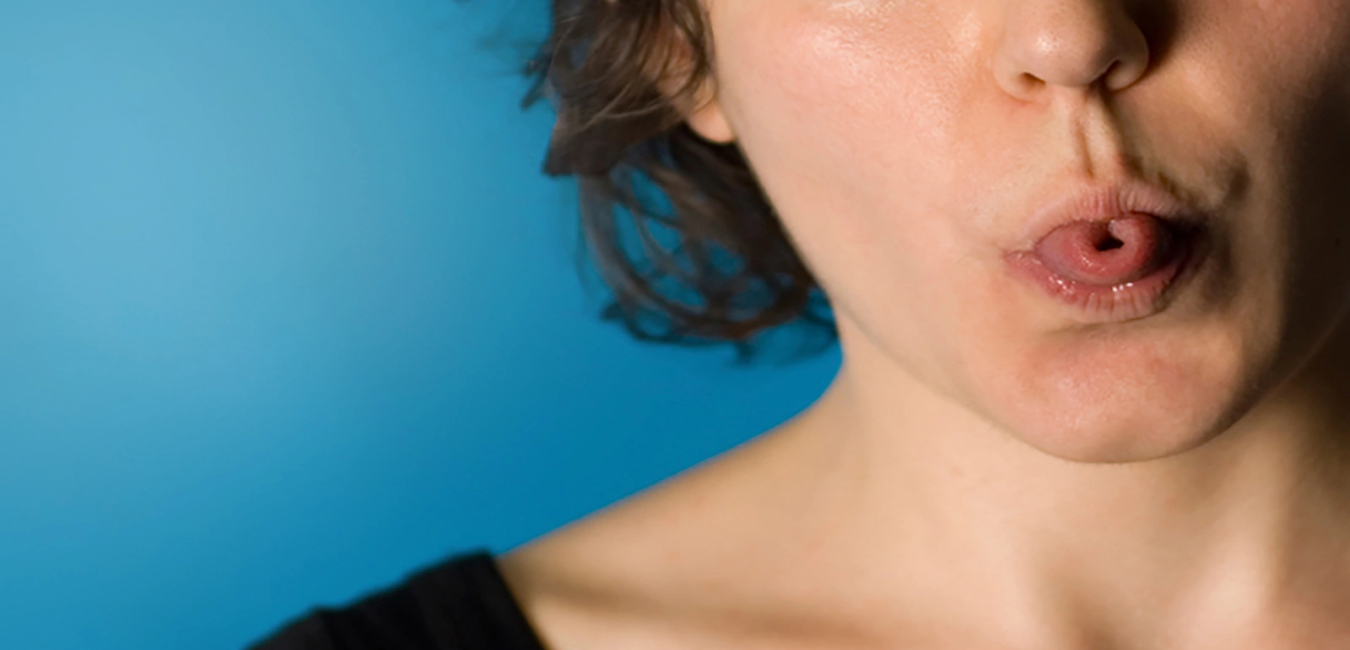
Sheetali Pranayama is one of the most effective yogic breathing techniques known for its cooling and calming effects on the body and mind. Derived from the Sanskrit word “Sheetali,” meaning cool or soothing, this pranayama helps reduce body heat, calm the nervous system, and create mental relaxation. Practiced widely in yoga traditions, sheetali pranayama is especially beneficial during hot weather, stressful situations, or when dealing with emotional imbalances such as anger, anxiety, or irritation.
In yoga, breath is considered a bridge between the body and mind. By consciously controlling breathing patterns, practitioners can influence their physical health, emotional balance, and mental clarity. Sheetali pranayama is often included in yoga and meditation sessions because of its refreshing impact on the entire system.
What is Sheetali Pranayama?
Sheetali pranayama is a cooling breathing exercise where air is inhaled through a rolled tongue and exhaled through the nose. This process creates a cooling sensation in the mouth, throat, and body. It belongs to the traditional pranayama practices mentioned in ancient yogic texts and is commonly practiced to balance excess heat in the body.
Unlike energizing breathing exercises such as Bhastrika or Kapalabhati, sheetali pranayama focuses on relaxation and cooling. It helps regulate internal temperature and promotes a peaceful state of mind.
The practice is especially beneficial during summer months or after intense yoga sessions, as it restores balance and reduces physical exhaustion.
Benefits of Sheetali Pranayama
Practicing sheetali pranayama regularly offers a wide range of physical, mental, and emotional benefits.
1. Cools the Body Naturally
One of the main reasons people practice sheetali pranayama is its cooling effect. The inhalation through the tongue naturally lowers body temperature, making it ideal for hot climates and summer seasons.
People who experience excessive heat, sweating, or hot flashes may find this breathing technique particularly helpful.
2. Reduces Stress and Anxiety
Modern lifestyles often lead to mental tension and emotional exhaustion. Sheetali pranayama calms the nervous system by slowing down the breath and relaxing the mind.
Regular practice helps reduce anxiety, anger, frustration, and emotional stress. It creates a sense of inner peace and emotional stability.
3. Improves Digestion
According to yogic philosophy, excessive body heat can disturb digestion. Sheetali pranayama balances the digestive fire and helps improve digestive functions.
People suffering from acidity, indigestion, or burning sensations in the stomach may benefit from this practice.
4. Detoxifies the Body
Deep breathing increases oxygen supply throughout the body, helping remove toxins and impurities. Sheetali pranayama supports detoxification and encourages healthier internal functioning.
It can also help refresh the body after physical exertion or emotional stress.
5. Enhances Mental Clarity
A calm breath leads to a calm mind. Practicing sheetali pranayama helps improve concentration, focus, and mental clarity.
Students, professionals, and meditation practitioners often use this technique to calm racing thoughts and sharpen awareness.
6. Helps Control High Blood Pressure
Since sheetali pranayama relaxes the nervous system and reduces stress, it may help maintain balanced blood pressure levels when practiced regularly and under guidance.
However, people with medical conditions should always consult a healthcare professional before starting advanced breathing practices.
7. Promotes Better Sleep
People struggling with restlessness or insomnia may benefit from sheetali pranayama before bedtime. Its soothing effect helps relax the body and prepare the mind for restful sleep.
How to Practice Sheetali Pranayama
Learning the proper technique is important to experience the full benefits of sheetali pranayama.
Follow these simple steps:
Step 1: Sit Comfortably
Choose a comfortable seated posture such as:
-
Sukhasana (Easy Pose)
-
Padmasana (Lotus Pose)
-
Vajrasana (Thunderbolt Pose)
Keep your spine straight and shoulders relaxed. Place your hands on your knees in a relaxed mudra.
Step 2: Relax the Body
Close your eyes and take a few natural breaths. Relax facial muscles, shoulders, and jaw tension.
Bring awareness to your breath and calm the mind.
Step 3: Roll the Tongue
Extend your tongue slightly outside the mouth and curl the sides into a tube-like shape.
Not everyone can roll their tongue naturally due to genetics. If you cannot, you may practice a similar cooling technique called Sitkari Pranayama.
Step 4: Inhale Slowly Through the Tongue
Take a slow, deep breath through the rolled tongue.
Feel the cool air entering the mouth and flowing into the lungs.
Step 5: Close the Mouth
After inhaling fully, gently close the mouth.
Step 6: Exhale Through the Nose
Exhale slowly and smoothly through both nostrils.
Notice the calming sensation spreading throughout the body.
Step 7: Repeat
Practice sheetali pranayama for 5–10 rounds initially.
Advanced practitioners may gradually increase duration under proper guidance.
Best Time to Practice Sheetali Pranayama
The best time to practice sheetali pranayama is early morning or evening when the environment is calm.
However, because of its cooling nature, many people also practice it:
-
During hot weather
-
After intense yoga sessions
-
During emotional stress
-
Before meditation
-
Before sleep for relaxation
Avoid practicing immediately after meals. Wait at least 2–3 hours after eating.
Precautions While Practicing Sheetali Pranayama
Although sheetali pranayama is generally safe, there are certain precautions to keep in mind.
Avoid During Cold Weather
Since this technique cools the body, excessive practice during winter may increase coldness and discomfort.
Respiratory Issues
People suffering from asthma, bronchitis, sinus infections, or severe respiratory conditions should practice carefully and seek expert advice.
Low Blood Pressure
As sheetali pranayama deeply relaxes the nervous system, people with low blood pressure should avoid over-practicing.
Practice in a Clean Environment
Since air is inhaled directly through the mouth, practicing in polluted or dusty areas is not recommended.
Choose a clean, peaceful space with fresh air.
Sheetali Pranayama and Ayurveda
In Ayurveda, excess heat in the body is often linked to an aggravated Pitta dosha. Sheetali pranayama is considered highly effective in balancing Pitta energy.
People experiencing symptoms such as:
-
Irritability
-
Anger
-
Excessive sweating
-
Acidity
-
Skin inflammation
-
Heat intolerance
may benefit greatly from regular practice.
By cooling internal heat, sheetali pranayama helps restore harmony and balance within the body.
Difference Between Sheetali and Sitkari Pranayama
Many people confuse sheetali pranayama with Sitkari Pranayama because both are cooling breathing techniques.
The main difference lies in the method of inhalation.
In sheetali pranayama, air is inhaled through a rolled tongue.
In Sitkari Pranayama, inhalation occurs through clenched teeth while the tongue remains inside the mouth.
Both practices calm the body and reduce heat, but practitioners who cannot roll their tongue often prefer Sitkari.
Common Mistakes to Avoid
When practicing sheetali pranayama, beginners often make mistakes that reduce effectiveness.
Breathing Too Fast
Slow and mindful breathing is essential. Rushing the breath can create discomfort instead of relaxation.
Poor Posture
A slouched posture restricts breathing capacity. Always sit upright with a straight spine.
Over-Practice
Moderation is important. Too much cooling breath may disturb body balance, especially during winter.
Practicing in Polluted Areas
Avoid breathing directly through the mouth in dusty or polluted environments.
Who Can Practice Sheetali Pranayama?
Sheetali pranayama is suitable for:
-
Yoga beginners
-
Meditation practitioners
-
People dealing with stress
-
Individuals experiencing body heat or acidity
-
Students seeking better concentration
-
Working professionals facing mental exhaustion
However, anyone with serious medical conditions should consult a yoga teacher or healthcare professional before starting.
Incorporating Sheetali Pranayama Into Your Yoga Routine
Adding sheetali pranayama to your daily yoga practice can create noticeable improvements in overall well-being.
A simple sequence could look like this:
-
Gentle stretching or yoga asanas
-
Deep breathing exercises
-
Sheetali pranayama for cooling and calming
-
Meditation or mindfulness practice
-
Relaxation in Shavasana
Just 5–10 minutes daily can make a meaningful difference in stress levels and emotional balance.
Conclusion
Sheetali pranayama is a simple yet powerful yogic breathing practice that promotes calmness, cooling, and inner balance. Whether you want to reduce stress, cool the body, improve digestion, or support mental clarity, this ancient pranayama offers numerous benefits.
The beauty of sheetali pranayama lies in its simplicity. It does not require special equipment or advanced yoga experience—just mindful breathing and consistency. By incorporating this calming technique into your routine, you can experience greater relaxation, emotional stability, and overall wellness.
If practiced correctly and regularly, sheetali pranayama can become a valuable tool for maintaining harmony between body, mind, and breath.

 English
 Arabic
 French
 Spanish
 Portuguese
 Deutsch
 Turkish
 Dutch
Dutch
 Italiano
 Russian
 Romaian
 Greek
Greek