


The Complete Buyer’s Guide to Selecting an Integrated Football Girdle for Mobility and Protection
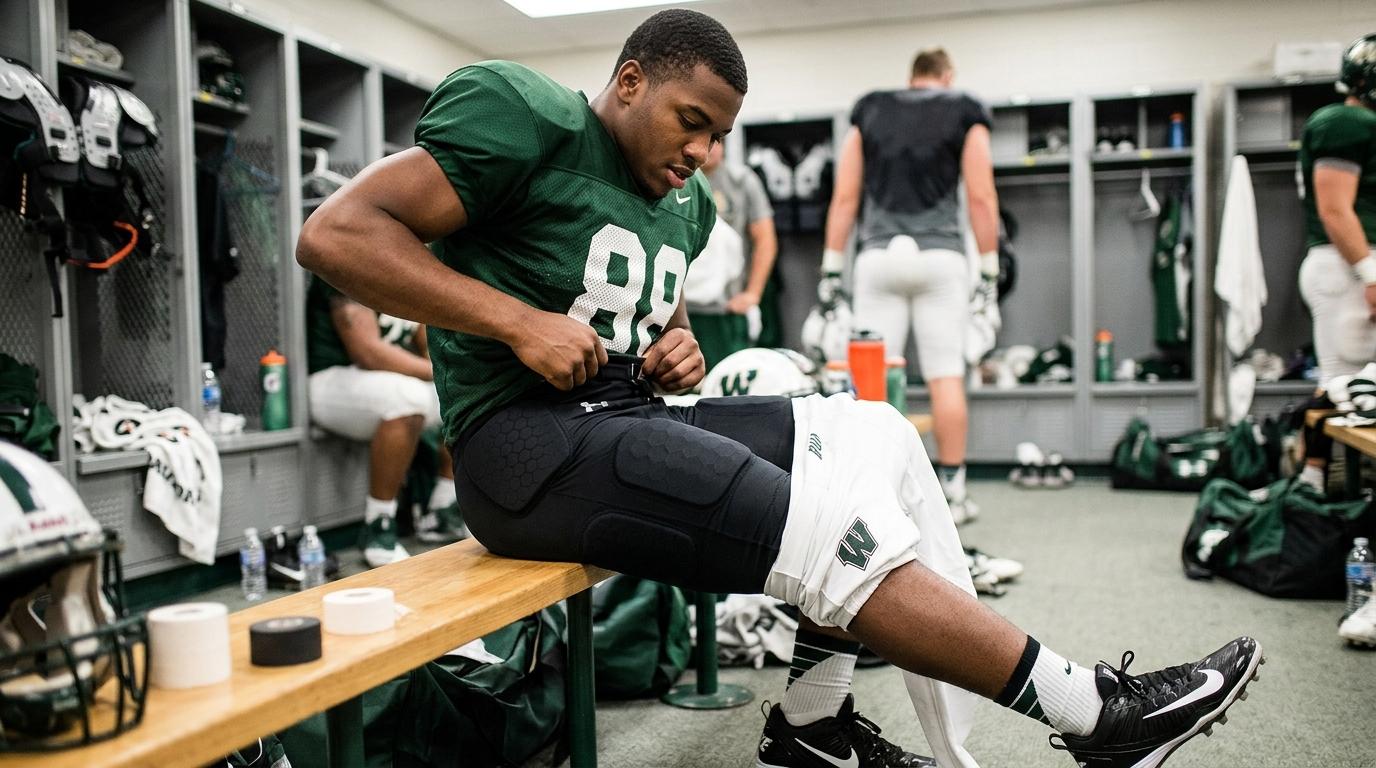
In the high-stakes environment of 2026 football, the technology behind player safety and performance has reached unprecedented levels. Gone are the days when athletes had to manually slide bulky pads into mesh pockets before every practice. The modern integrated football girdle has revolutionized how players prepare for the field, offering a seamless blend of compression and impact protection. As the game becomes faster and more physical, choosing the right base layer is no longer just about comfort but about gaining a competitive edge while minimizing the risk of injury.
An integrated football girdle serves as the foundation of a player's defensive armor. By sewing high-impact padding directly into the fabric, manufacturers have eliminated the common problem of pads shifting during intense movement. This ensures that the hips, thighs, and tailbone remain protected regardless of whether a player is sprinting down the sideline or engaging in a goal-line stand. For parents and athletes looking to upgrade their gear this season, understanding the nuances of material science and padding configuration is essential for making an informed purchase.
When you step onto the field in 2026, you expect your gear to work as hard as you do. Modern textiles now incorporate moisture-wicking technology and antimicrobial treatments to keep athletes dry and focused. This guide will walk you through everything you need to know about selecting the perfect girdle, ensuring you find a balance between the agility needed for skill positions and the heavy-duty protection required in the trenches.
The Evolution of Football Girdles: From Standard to Integrated
The landscape of football equipment has shifted dramatically over the last few years toward streamlined, all-in-one solutions. Historically, players used standard girdles that required separate pad sets, which often became loose or misaligned during a game. The introduction of the integrated football girdle solved these issues by permanently fixing the pads within the garment. This design not only saves time during the dressing process but also provides a more aerodynamic profile under the uniform pants, reducing unnecessary bulk that could slow a player down.
Innovation in 2026 has brought about lighter materials that do not sacrifice safety for weight. Advanced foam technologies, such as closed-cell EVA and hybrid mesh panels, allow for better breathability than traditional padding. These improvements are particularly beneficial for younger athletes who are still developing their coordination. By reducing the weight of the lower-body armor, players can maintain their natural running gait and explosive power for all four quarters without feeling weighed down by their equipment.
Furthermore, the shift toward integrated designs has improved the overall durability of the gear. Because the pads are sewn directly into the seams, there is less friction between the fabric and the padding material, which prevents the "pad-slip" that used to cause premature tearing in older girdle models. This evolution reflects a broader trend in sports science where every piece of equipment is treated as a precision performance tool rather than just a passive layer of protection.
Comparison of Traditional vs. Integrated Girdles
-
Padding Stability: Traditional pads can shift or fall out; integrated pads are sewn in and stay fixed.
-
Weight Profile: Traditional setups are often heavier due to extra pocket fabric; integrated models use streamlined, lightweight foams.
-
Ease of Use: Traditional requires manual assembly; integrated is a one-piece "grab and go" solution.
-
Comfort: Traditional can have hot spots or chafing from pocket seams; integrated offers a smooth, compression-fit experience.
-
Maintenance: Traditional requires removing pads before washing; integrated girdles can often be tossed directly into the machine.
Key Features of the Tag Sports Gear 7-Piece Integrated Girdle
When evaluating top-tier options like the Tag Sports Gear 7-piece model, it is important to look at the specific protective zones provided. A 7-piece configuration is widely considered the gold standard for comprehensive lower-body safety because it includes coverage for the hips, thighs, tailbone, and knees. This all-encompassing approach ensures that every major impact point is shielded. The inclusion of adjustable knee pads is a standout feature in 2026, allowing players to customize the fit based on their height and leg length.
The materials used in high-quality girdles are just as important as the padding itself. High-performance blends of polyester and spandex provide the necessary compression to support muscle groups and improve blood circulation. This compression fit helps reduce muscle vibration during sprints, which can lower the rate of fatigue over the course of a long game. Additionally, the fabric is designed to be moisture-wicking, pulling sweat away from the skin to help regulate body temperature in both extreme heat and late-season cold.
Durability is another hallmark of the 7-piece integrated girdle. Thigh pads in these models often feature integrated plastic cores or reinforced outer shells to handle the direct force of helmet-to-thigh hits. These reinforcements are critical for preventing deep muscle contusions that can sideline a player for weeks. By choosing a model with these advanced specifications, athletes can play with the confidence that their gear is built to withstand the rigors of a full competitive season.6
Technical Specifications of the 7-Piece Model
-
Pad Locations: Two hips, two thighs, two knees, and one tailbone.
-
Fabric Composition: 85 percent polyester and 15 percent spandex for optimal stretch and recovery.
-
Thigh Protection: Extended-wrap pads with built-in plastic cores for maximum impact defense.
-
Knee Pad Style: Adjustable hook-and-loop system for a personalized fit.
-
Special Features: Built-in pocket for an athletic cup and flat-seam construction to prevent chafing.
Maximizing Mobility and Protection on the Field
In the modern game, mobility is often the difference between a touchdown and a tackle. Players are looking for an integrated football girdle that provides a second-skin feel, allowing for a full range of motion in the hips and legs. This is especially true for wide receivers and defensive backs who must make sudden cuts and transitions at high speeds. The goal of modern padding is to provide protection that moves with the athlete, rather than restricting their natural movement patterns.
The compression aspect of the girdle plays a dual role in performance and safety. Beyond holding the pads in place, compression wear is known to aid in recovery by promoting oxygenated blood flow to the muscles.9 This can help prevent cramping and keep legs feeling fresh during the fourth quarter. When a girdle fits correctly, the player should barely notice it is there, which allows for total focus on the playbook and the movements of the opposition.
Safety remains the primary objective, and 2026 technology has allowed for "variable density" padding. This means the padding is thicker in high-impact zones like the hips but tapers off in areas where flexibility is more important. This intelligent design ensures that even with a 7-piece setup, a player does not lose their ability to bend, squat, or sprint. It creates a synergy between the athlete's body and their armor, making the equipment an extension of their performance.
Tag Sports Gear
Choosing the Right Girdle for Your Position
Not every player has the same needs when it comes to protective gear. Linemen, for example, spend most of the game in high-contact collisions at the line of scrimmage. For these athletes, a 7-piece integrated football girdle is often the best choice because it provides the maximum amount of coverage, including essential knee protection for the constant pile-ups. They require thicker, more robust padding that can absorb repeated heavy hits without losing its shape or protective qualities.
In contrast, skill position players like quarterbacks and wide receivers might prioritize speed and agility.14 While they still need protection for their hips and thighs, they often look for lower-profile padding that offers less wind resistance and bulk. Some of these players might opt for a 5-piece girdle if their game pants already have high-quality knee pads, but many are moving toward the newer, lightweight 7-piece models that offer full coverage without the traditional weight penalty.
Linebackers and running backs occupy a middle ground, requiring a balance of both worlds. They need the toughness to take hits in the hole and the speed to chase down ball carriers or break into the secondary. For these positions, a girdle with high-impact foam that flexes with the body is ideal. Selecting a girdle based on your specific role on the team ensures that you are not carrying unnecessary weight while also making sure you aren't leaving yourself vulnerable in areas where you take the most contact.4
Position-Based Padding Recommendations
-
Linemen: 7-piece integrated models with reinforced thigh cores and thick hip padding.
-
Linebackers: 7-piece models with a focus on tailbone and hip protection for frequent tackling.
-
Running Backs: Lightweight 7-piece girdles to protect knees during falls while maintaining top speed.
-
Wide Receivers: High-compression 5-piece or ultra-light 7-piece girdles for maximum cutting ability.
-
Quarterbacks: Low-profile 5-piece girdles that allow for a full range of motion in the throwing stance.
The Essential Synergy Between Girdles and Youth Shoulder Pads
Protective gear should never be viewed as individual pieces but as a complete system. This is especially important for younger athletes who are just beginning to learn the fundamentals of contact. An integrated football girdle works in tandem with youth shoulder pads to create a comprehensive safety envelope. While the girdle covers the lower body, the shoulder pads protect the chest, back, and clavicle. Ensuring that both pieces of equipment are sized correctly and designed to work together is vital for player safety.
For youth players, the weight of the equipment can significantly impact their form. If a child is wearing heavy, poorly fitted youth shoulder pads and a bulky, non-integrated girdle, they may struggle to maintain a proper athletic stance. This can lead to improper tackling techniques, which increases the risk of head and neck injuries. By choosing modern, lightweight integrated gear, parents can help their children focus on learning the game safely and correctly without the distraction of shifting pads or restrictive movement.
Furthermore, the 2026 safety standards for youth football emphasize the importance of "coverage gaps." A well-fitted girdle should sit high enough on the waist to minimize the gap between the bottom of the rib protection on the shoulder pads and the top of the hip pads. When these two pieces of equipment overlap or meet properly, the player has a continuous shield against impacts to the torso and midsection. This holistic approach to gear selection is the best way to keep young athletes safe on the field.
Key Considerations for Youth Gear Integration
-
Seamless Overlap: Check that the girdle waist sits comfortably under the lower rim of the shoulder pads.
-
Weight Balance: Ensure the total weight of the gear does not cause the young player to lean forward or lose balance.
-
Range of Motion: Test the player's ability to raise their arms and rotate their hips while wearing both pieces.
-
Ease of Dressing: Integrated girdles make it easier for youth players to gear up correctly without adult assistance.
-
Standard Compliance: Verify that both the girdle and the shoulder pads meet the latest safety certifications for the current season.
Care and Maintenance Tips for Longevity
Investing in high-quality football gear means you want it to last through the entire season and potentially into the next.15 Proper maintenance of an integrated football girdle is relatively simple but requires consistency. Because the pads are built-in, you do not have to worry about losing individual pieces, but you do need to ensure the foam and fabric stay in good condition. Most modern girdles are machine washable, but they should always be air-dried to prevent the high heat of a dryer from breaking down the elastic fibers or warping the padding.
Washing your girdle after every heavy practice or game is essential for hygiene and odor control. Sweat and bacteria can build up in the compression fabric, which not only causes smells but can also lead to skin irritation or infections if left unaddressed. Using a mild detergent and cold water is the best way to preserve the moisture-wicking properties of the fabric. Many players also use specialized sports gear sprays between washes to keep the padding fresh and free of bacteria.
Finally, regular inspections of the gear are a must. Check the stitching around the padding zones to ensure no threads are coming loose, as this could cause a pad to shift or the fabric to tear. If you notice any significant compression of the foam—meaning it no longer "springs back" after being squeezed—it may be time to replace the girdle. Maintaining your gear ensures that it continues to provide the same level of protection on the last day of the season as it did on the first.
Pro-Tips for Girdle Maintenance
-
Wash Cold: Always use cold water to protect the spandex and polyester blend.
-
Air Dry: Never put an integrated girdle in a high-heat dryer; hang it up to dry naturally.
-
Invert Before Washing: Turn the girdle inside out to ensure the fabric touching the skin is thoroughly cleaned.
-
Avoid Bleach: Harsh chemicals can degrade the foam padding and the elasticity of the waistband.
-
Store Properly: Keep gear in a well-ventilated area rather than leaving it in a damp gym bag overnight.

 English
 Arabic
 French
 Spanish
 Portuguese
 Deutsch
 Turkish
 Italiano
 Russian
 Romaian
 Portuguese (Brazil)
 Greek
Greek