


Credit Monitoring Alerts: What They Mean and When to Act
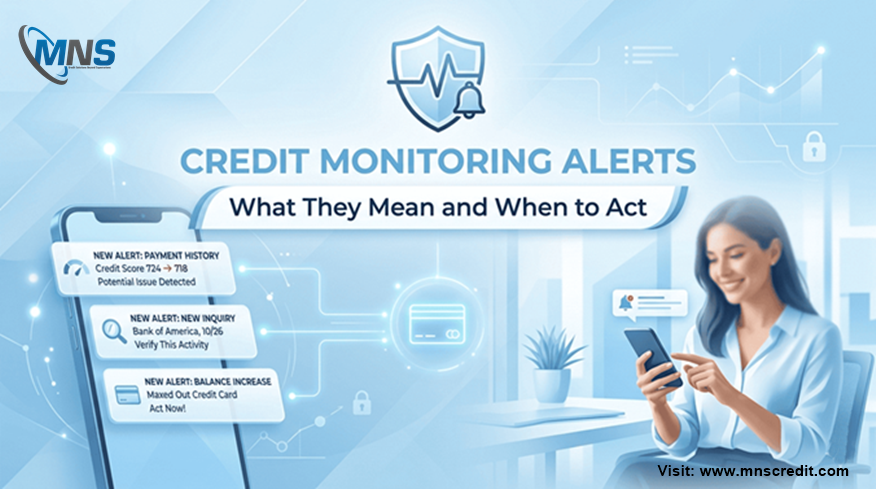
Credit monitoring alerts are among the most practical tools available for protecting your financial health and personal identity. Whether you are actively managing your credit or simply want early warning of suspicious activity, understanding what these alerts mean — and knowing when to act on them — can make the difference between a minor inconvenience and a major financial crisis.
What Is Credit Monitoring?
Credit monitoring is a service that tracks changes to your credit report and notifies you when significant activity occurs. These services are offered by the three major credit bureaus — Equifax, Experian, and TransUnion — as well as by independent providers and financial institutions. While some monitoring services are free, others come as part of a paid subscription or are bundled with banking products and identity protection plans.
At its core, credit monitoring does not prevent fraud or errors from happening. Instead, it gives you timely visibility into changes on your report so you can respond quickly. Speed is critical: the faster you detect and report fraudulent activity, the less damage it can cause.
Types of Credit Monitoring Alerts
Not all alerts carry the same level of urgency. Understanding the different types helps you prioritize your response:
• New Account Opened: This alert fires when a new credit account — a credit card, loan, or line of credit — is opened in your name. If you did not initiate this, it could indicate identity theft.
• Hard Inquiry Alert: A hard inquiry occurs when a lender checks your credit as part of an application. Multiple hard inquiries you do not recognize may suggest someone is applying for credit using your information.
• Address Change: An alert notifying you of an address change on your credit file is a serious red flag if you did not request it. Fraudsters sometimes change addresses to redirect mail and avoid detection.
• Late Payment or Delinquency: If a lender reports a missed or late payment, you will be alerted. This may reflect your own missed payment or an error — both require prompt attention.
• Public Record or Collection: Alerts for judgments, bankruptcies, or accounts sent to collections signal significant credit events. Errors in this category can severely damage your score.
• Dark Web Alerts: Some advanced monitoring services scan dark web forums and data leak sites for your personal information. These alerts indicate your data may have been compromised in a breach.
• Credit Score Changes: Significant changes to your credit score — up or down — are flagged so you can investigate the underlying cause.
When Should You Act on a Credit Alert?
Not every alert demands immediate panic, but each one deserves attention. Here is a practical framework for deciding when and how to respond:
Act immediately if you receive an alert for a new account you did not open, an address change you did not request, or a hard inquiry from a lender you never contacted. These are potential signs of identity theft and should be treated as urgent. Contact the relevant financial institution, place a fraud alert with the credit bureaus, and consider a credit freeze to prevent further unauthorized accounts from being opened.
Review carefully if you receive a late payment alert. Confirm whether the delinquency is accurate. If it is a legitimate missed payment, contact your lender immediately to discuss options and minimize long-term credit damage. If it is an error, file a dispute with the credit bureau directly.
Monitor the trend if you receive a credit score change alert. A small fluctuation is normal and may reflect routine credit utilization changes. A significant drop warrants a full review of your credit report to identify the cause.
How to Respond to Suspicious Alerts
When an alert raises genuine concern, follow these steps. First, review your full credit report for any other unauthorized activity. You are entitled to a free report from each bureau annually through AnnualCreditReport.com. Second, contact the financial institution where the suspicious account was opened to report fraud and initiate a dispute. Third, place a fraud alert with one of the three major bureaus — they are required to notify the others. For stronger protection, consider a security freeze, which prevents new credit from being issued in your name entirely.
Additionally, file a report with the Federal Trade Commission (FTC) at IdentityTheft.gov if you are in the United States. The FTC provides personalized recovery plans and official documentation that can support your fraud claims with creditors.
Choosing the Right Credit Monitoring Service
When selecting a credit monitoring service, consider whether it monitors all three bureaus simultaneously, the frequency of report updates, whether it includes dark web monitoring, and how it delivers alerts — via email, SMS, or app notifications. Services with real-time alerts are significantly more effective than those that check your report weekly or monthly.
Conclusion
Credit monitoring alerts are not just notifications — they are your first line of defense against identity theft, credit fraud, and financial errors. By understanding what each alert means and knowing when to act decisively versus when to simply observe, you can protect your credit profile and respond to threats before they spiral out of control. In an environment where data breaches and identity theft are increasingly common, proactive credit monitoring is a habit worth building.

 English
 Arabic
 Spanish
 Portuguese
 Deutsch
 Turkish
 Dutch
Dutch
 Italiano
 Russian
 Romaian
 Portuguese (Brazil)
 Greek
Greek